Takthok Monastery: Ladakh's Cave Monastery
Takthok Monastery, a unique cave monastery in Ladakh, blends centuries-old faith with natural rock formations. Discover its history, architecture, rituals, practical travel tips and nearby attractions for a memorable visit.
By TravMe Holidays travel team · · 7 min read
Tucked into the rugged cliffs near Sakti village in eastern Ladakh, Takthok Monastery is one of the region’s most unusual and evocative spiritual sites. Known as the "Rock Roof" monastery, it merges natural cave formations with monastic architecture, offering a serene, otherworldly atmosphere that draws both pilgrims and curious travellers.
Why Takthok is special
Takthok (also spelled Thaktok or Tak Thog) literally means "rock roof". Unlike the whitewashed gompas of Leh or the palace-like monasteries elsewhere in Ladakh, Takthok is built around a natural cave. The cave’s ceiling is studded with natural stalactites and stalagmites, and the monks have adapted the interior for meditation, worship and housing sacred objects. This synthesis of nature and devotion gives the monastery a quiet, primeval feel seldom found in more conventional religious complexes.
Historical background
Takthok is associated with the Nyingma school of Tibetan Buddhism, one of the oldest traditions of Tibetan spiritual practice. The monastery was founded around the 16th century and is linked to the revered lama Pema Lingpa, a treasure-finder and tertön from Bhutan whose spiritual legacy spread across the Himalaya. Over centuries, Takthok became a small but important centre for religious learning and a waypoint for local pilgrims.
Architecture and sacred features
At first glance Takthok appears modest: low stone walls, simple prayer halls and a handful of monastic rooms. Step inside the cave and the space expands into chapels lined with thangka paintings, statues of the Buddha and protector deities, and rows of yak-skin drums and ritual implements.
The cave sanctum
The heart of Takthok is its cave sanctum. The uneven rock ceiling, with mineral formations, creates an intimate chapel that feels older than any human construction. Incense smoke, butter lamp glow and the rhythmic chant of monks create a powerful sensory experience. The cave also houses a throne said to be associated with Pema Lingpa and other sacred relics.
Exterior buildings
Outside the cave you will find simple living quarters, small prayer rooms and a courtyard where monks gather for debate or perform public rituals during festivals. Prayer flags flutter on nearby ridges, and mani walls (stone walls engraved with mantras) line the approach road, reinforcing the spiritual character of the place.
Rituals, festivals and visiting etiquette
Takthok is an active monastery where daily rituals and prayer sessions are observed. The cadence of chanting, the beating of ritual drums and the smell of burning juniper are part of any visit.
Festivals
Like other Ladakhi monasteries, Takthok celebrates key Buddhist festivals such as Losar (Tibetan New Year) and local cham (masked dance) events. These occasions reveal colourful masked dances, elaborate costumes and sacred choreography meant to enact moral and cosmological stories. If your visit coincides with a festival the experience can be both lively and deeply moving.
Visitor etiquette
- Ask permission before entering inner chambers or taking photographs — some areas and rituals are off-limits.
- Remove your shoes and lower your hat before stepping into prayer halls.
- Dress modestly; shoulders and knees should be covered as a sign of respect.
- Keep voices low and avoid disruptive behaviour during prayers and rituals.
- If offered butter tea or a small token by monks or villagers, accept with both hands as a mark of courtesy.
How to reach Takthok Monastery
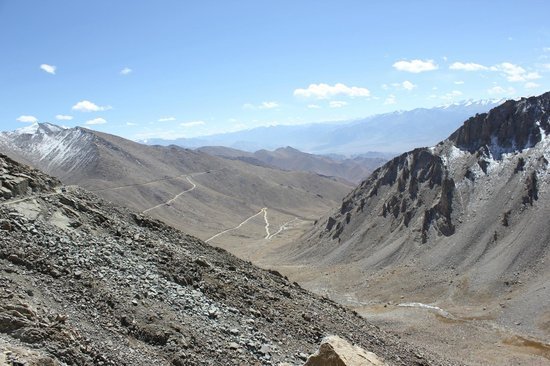
Takthok is located about 45–55 km east of Leh, beyond the village of Sakti on the way to Hemis and Zanskar. The roads are scenic but can be narrow and prone to sudden weather-related disruptions.
By road
Most travellers reach Takthok by hiring a taxi or joining a shared jeep from Leh. The drive follows the Indus valley with views of river gorges, alluvial plains and distant mountains. If you’re on a self-driven trip, ensure your vehicle is well-suited for mountain roads and carry extra fuel and supplies.
From Leh
Leh serves as the base for excursions to Takthok. Travel times vary with road conditions; plan a half-day excursion so you can move at a comfortable pace and make stops for photography or short walks along the way.
Best time to visit
The most favourable months are late spring through early autumn (May to October) when roads are open and weather is milder. Winters are harsh, with heavy snow and extreme cold making travel difficult and many monasteries inaccessible. Autumn offers crisp skies and clear mountain vistas, while summer brings greener valleys and more active local life.
Nearby attractions and day-trip ideas
Takthok pairs well with several nearby sites, allowing you to craft a full day or multi-day itinerary in eastern Ladakh.
- Hemis Monastery: One of Ladakh’s largest and most famous gompas, known for its annual festival and impressive collection of thangkas.
- Stakna Gompa: Perched on a hill above the Indus, Stakna offers panoramic views and a tranquil atmosphere.
- Zanskar Valley approach: If you’re heading further west, the road towards Zanskar reveals remote villages, dramatic gorges and high mountain passes.
- Local villages like Sakti: Explore village life, traditional mud-brick houses and friendly local markets if you want a glimpse of rural Ladakhi culture.
Practical travel tips
Travel in Ladakh requires preparation. Here are practical pointers to make your visit to Takthok smooth and respectful.
- Altitude: Leh and eastern Ladakh sit at high altitude. Allow time for acclimatisation in Leh before venturing out to monastery excursions. Stay hydrated and avoid strenuous activity on the first day.
- Clothing: Layered clothing works best. Temperatures can swing between warm sun and cold winds. Carry a windproof jacket, gloves and warm hat even in summer.
- Footwear: Wear comfortable, sturdy shoes with good grip for uneven paths and rocky terrain.
- Permits: Indian nationals generally do not need permits for this area, but foreign nationals should check the latest Inner Line Permit requirements for eastern Ladakh and Zanskar itineraries.
- Respect local customs: Use your right hand for giving and receiving, do not touch sacred objects without permission and follow directions from monastery staff.
Photography and drone use
Photography inside sacred halls is often restricted. Always ask before photographing monks, rituals or sacred items. Drone usage is subject to strict regulations in Ladakh — check current rules and obtain necessary permissions, as many areas are near military zones and are controlled.
Where to stay
Takthok itself has basic accommodation for resident monks and occasional pilgrims, but travellers usually stay in Leh or nearby villages. Leh offers a full range of hotels, guesthouses and homestays, from simple lodgings to comfortable boutique hotels. Staying in Sakti or nearby guesthouses gives a quieter, more local experience.
Sample half-day itinerary from Leh
- Depart Leh early morning after breakfast to allow for acclimatisation and a relaxed drive.
- Arrive at Takthok; take time to explore the cave chapel, exterior prayer mani walls and the small monastic courtyard.
- Share tea with locals or the monastery kitchen if invited, and observe a short prayer session if available.
- Continue to Hemis or Stakna for lunch and further sightseeing before returning to Leh by late afternoon.
Safety and responsible travel
Respect for the landscape and local communities is essential. Avoid littering, carry reusable water bottles where possible and follow marked paths to prevent erosion. If trekking near Takthok or exploring remote trails, inform someone of your plans and carry a basic first-aid kit, sufficient food and water, and a charged mobile phone with local emergency numbers.
Takthok is not just a place to see; it is a place to feel. The cave’s ancient hush, the low murmur of prayer and the open sky above the Indus valley create moments that linger long after you leave.
Conclusion
Takthok Monastery is a quietly powerful destination for travellers seeking spiritual depth, natural beauty and a glimpse of Ladakhi monastic life away from the more frequented tourist routes. Whether you are a pilgrim, a photographer or a curious traveller, plan thoughtfully, respect local customs and allow time to sit in the cave sanctuary — that stillness is the heart of the Takthok experience.