
About Chardham Yatra
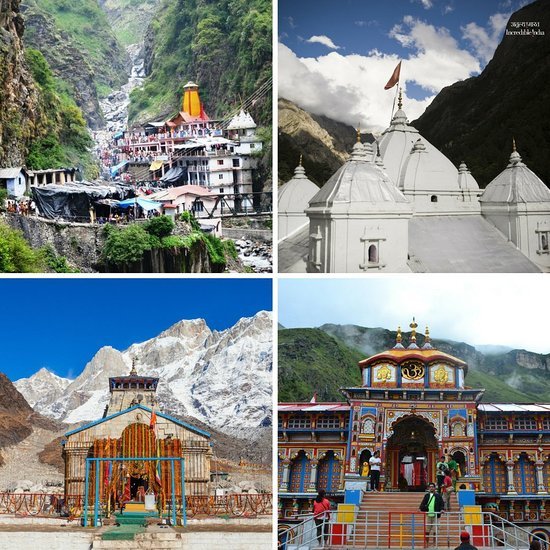
The Char Dham Yatra is one of India’s most sacred and spiritually enriching pilgrimages, taking devotees through four revered Himalayan shrines in Uttarakhand: Yamunotri, Gangotri, Kedarnath, and Badrinath. Nestled amidst the snow-capped peaks and pristine valleys of the Garhwal Himalayas, this yatra offers not only a chance for spiritual purification but also an opportunity to connect deeply with nature and ancient Indian traditions.
Why Embark on the Char Dham Yatra?
The Char Dham circuit holds immense religious significance in Hinduism, believed to purify the soul and help attain moksha (liberation from the cycle of life and death). Each shrine is dedicated to a different deity: Yamunotri to Goddess Yamuna, Gangotri to Goddess Ganga, Kedarnath to Lord Shiva, and Badrinath to Lord Vishnu. Pilgrims undertake this journey to seek divine blessings, perform rituals, and immerse themselves in the tranquility of the Himalayas. The yatra is especially auspicious during the summer months of May to October when the weather is relatively mild, and the mountain passes are accessible.
What to Expect on the Journey
The pilgrimage spans approximately 800 kilometers, beginning from Rishikesh or Haridwar, both well-connected by rail and road, with the nearest airport being Jolly Grant Airport in Dehradun (about 45 km from Rishikesh). The route offers breathtaking views of snow-draped peaks, dense forests, and rushing rivers.
- Yamunotri: The source of the Yamuna River, located at an altitude of around 3,293 meters. The trek to the temple involves a 6 km uphill walk from the base at Hanuman Chatti.
- Gangotri: The origin of the Ganges River, situated at 3,100 meters. The temple is accessible by road up to Gangotri town, followed by a short walk.
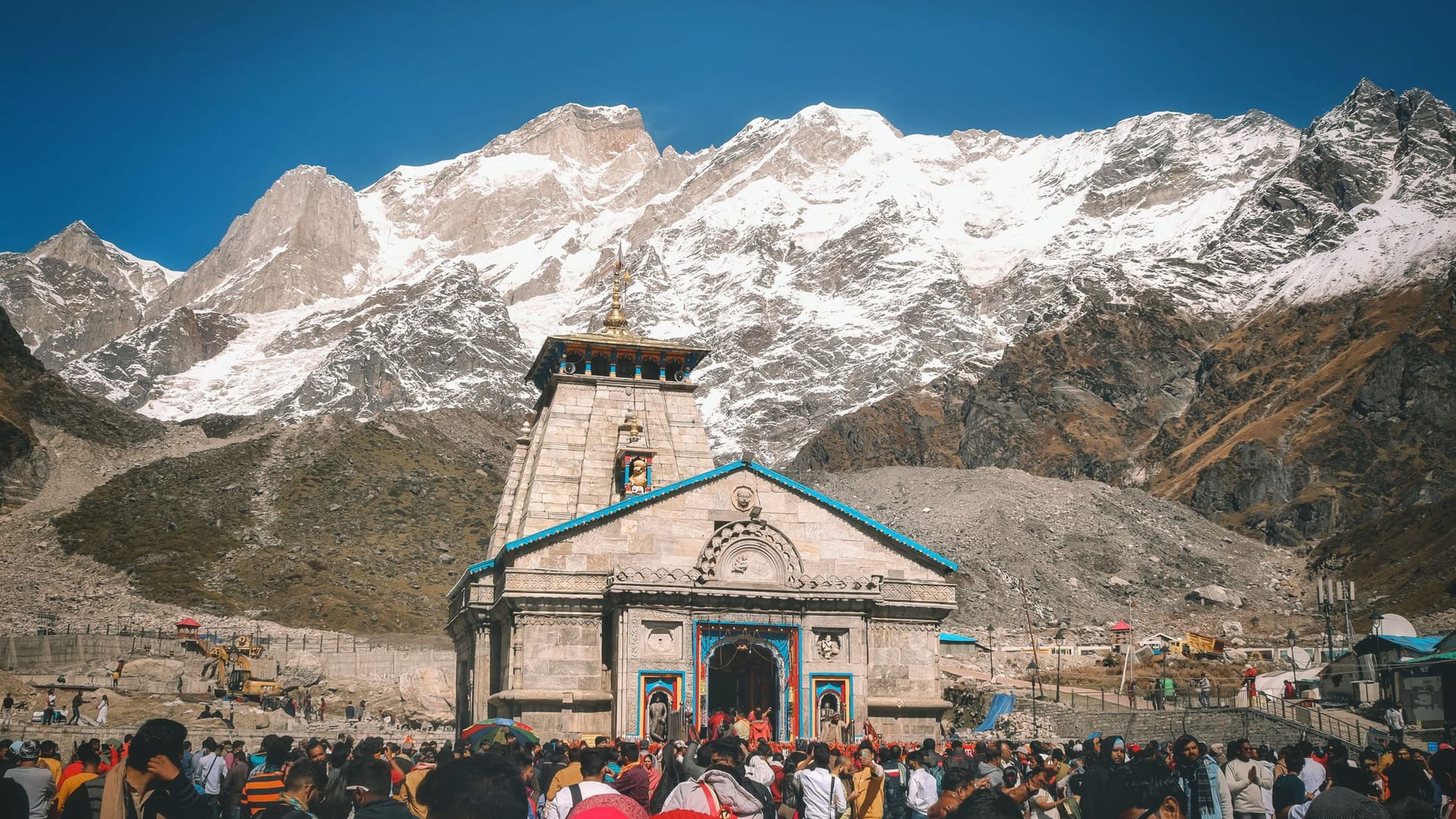
- Kedarnath: One of the twelve Jyotirlingas, perched at 3,583 meters. The final stretch requires a 16 km trek from Gaurikund, though helicopter services are available for those seeking convenience.
- Badrinath: Located at 3,133 meters, this temple is well-connected by road and is the final stop of the yatra.
The journey involves a mix of trekking, road travel, and sometimes helicopter rides, depending on the pilgrim’s preference and physical ability.
Cultural and Spiritual Experiences
The Char Dham Yatra is steeped in Vedic traditions and rituals. Pilgrims often start their day with early morning prayers and partake in Ganga Aarti at Rishikesh or Haridwar before heading into the mountains. Along the way, local Garhwali culture shines through in the cuisine, handicrafts, and warm hospitality of the mountain communities. Traditional dishes like aloo ke gutke, singal, and chainsoo offer a taste of Uttarakhand’s culinary heritage.
The temples themselves are marvels of ancient architecture, with intricate stone carvings and centuries-old legends. Participating in the rituals, listening to the chants, and witnessing the serene mountain landscapes create a deeply moving spiritual atmosphere.
Best Time to Visit and Practical Tips
The ideal time for the Char Dham Yatra is from late April or early May to October, avoiding the heavy monsoon months of July and August when landslides and roadblocks are common. Winters bring heavy snowfall, closing the shrines for several months.
It’s advisable to travel with a trusted tour operator who can arrange private cabs, experienced guides, and comfortable accommodation, ensuring safety and convenience throughout the journey. Proper acclimatization is important due to the high altitudes, and pilgrims should carry warm clothing even in summer.
Embarking on the Char Dham Yatra is more than a pilgrimage; it’s a transformative journey through some of India’s most sacred and scenic landscapes, promising spiritual upliftment and unforgettable memories.
Quick Facts
- Places to Visit
- 0
- Sightseeings
- 0
- Trip Type
- Within India
Chardham Yatra packages by trip type

Family
Chardham Yatra family packages

Honeymoon
Chardham Yatra honeymoon packages
Couple
Chardham Yatra couple packages

Luxury
Chardham Yatra luxury packages

Budget
Chardham Yatra budget packages
Adventure
Chardham Yatra adventure packages
Group
Chardham Yatra group packages
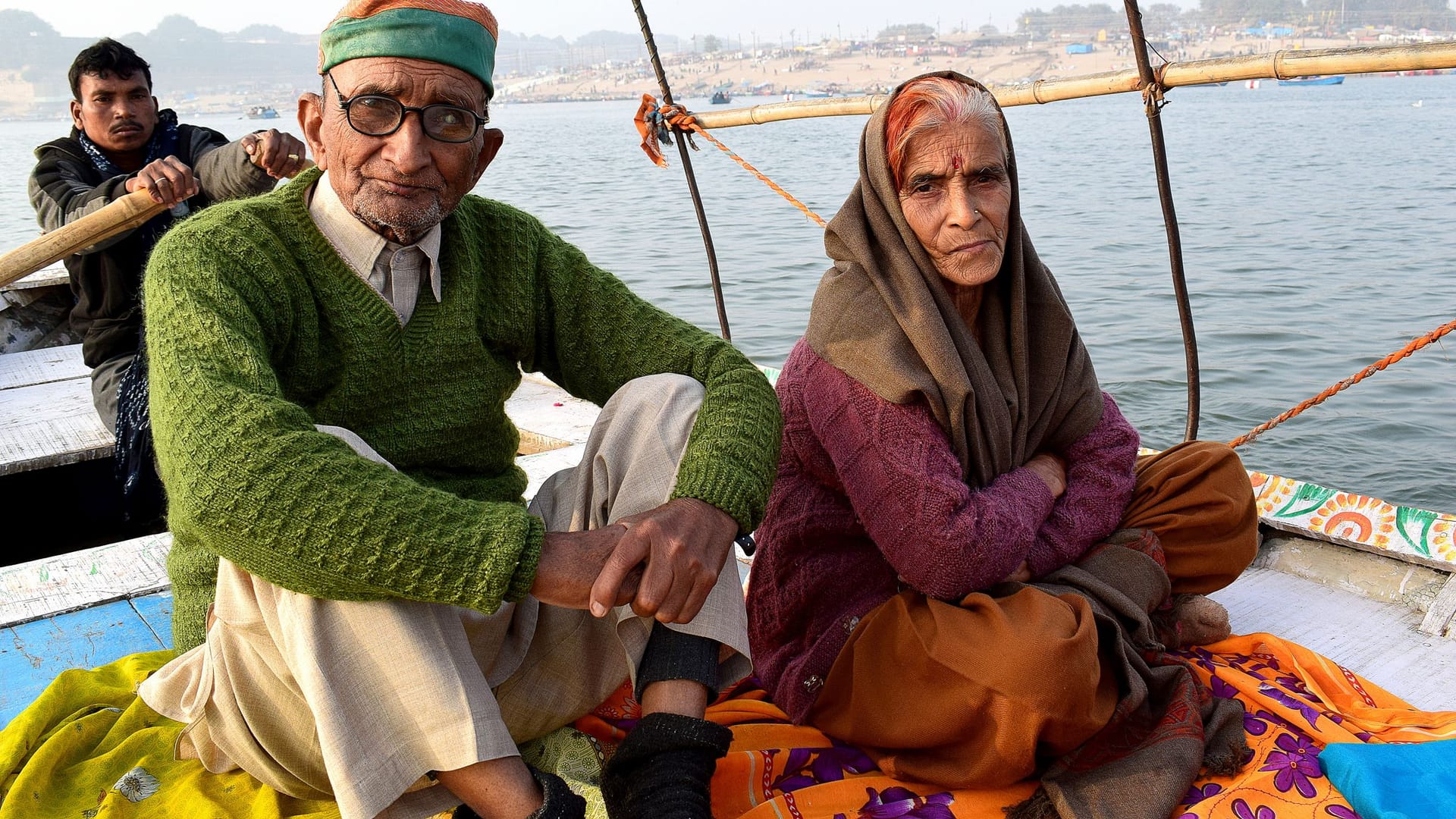
Senior-friendly
Chardham Yatra senior-friendly packages
Pilgrimage
Chardham Yatra pilgrimage packages
Chardham Yatra travel stories
All Chardham Yatra storiesChardham Yatra Itinerary Starting from Dehradun
A practical, day-by-day Chardham Yatra itinerary starting from Dehradun, covering travel routes, timing, accommodation tips and essential preparations for a smooth spiritual journey through Yamunotri, Gangotri, Kedarnath and Badrinath.
14-Day Chardham Yatra Itinerary with Rest Days Built In
A practical 14-day Chardham Yatra itinerary that balances pilgrimage with rest—includes travel logistics, acclimatisation days, daily plans, packing tips and safety advice for a spiritually fulfilling journey.
9-Day Chardham Yatra Itinerary for Pilgrims Short on Time
A compact, practical 9-day Chardham Yatra itinerary designed for pilgrims short on time, covering travel plans, temple timings, acclimatisation advice, packing list and safety tips for a smooth spiritual journey.