Phyang Monastery: A Quiet Escape Near Leh
Phyang Monastery, a serene Drukpa Kagyu gompa just west of Leh, offers visitors calm courtyards, exquisite wall paintings and a colourful annual festival — an ideal short escape for acclimatised travellers in Ladakh.
By TravMe Holidays travel team · · Updated · 6 min read
Set against the barren, wind-sculpted slopes of the Indus valley, Phyang Monastery is a quiet, unassuming gompa that rewards those who take the short road from Leh. Less visited than some of Leh’s larger monasteries, Phyang exudes a contemplative atmosphere: prayer flags flutter, ancient murals glow in filtered light and the little village life around the courtyard feels timeless. For travellers looking for an intimate cultural experience without the crowds, Phyang is a perfect half-day or day trip.
Where Phyang Monastery sits in Ladakh
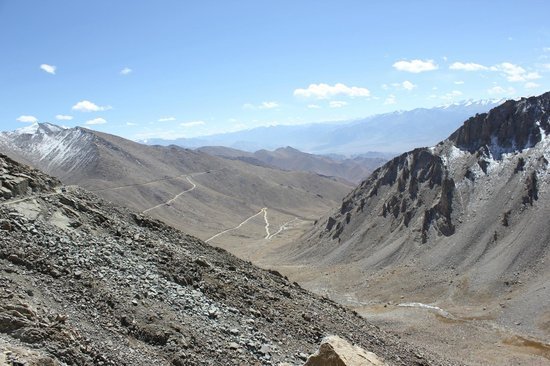
Phyang (also spelled Fyang) lies roughly 15–18 kilometres west of Leh town, perched on a small ridge above the Indus. Its proximity to Leh makes it one of the easiest monastic visits for acclimatised travellers. The setting is typical of central Ladakh — sparse, rocky terrain with the river valley and a few scattered settlements below. From the monastery you can get a broad view of the Indus and the road contours that connect Leh with the westward valleys.
A brief history and spiritual lineage
Phyang is affiliated with the Drukpa (Druk Yul) Kagyu tradition of Tibetan Buddhism. While exact founding legends vary in local telling, the monastery has roots going back several centuries and contains art and ritual objects accumulated over long periods of devotion. Its role has always been both spiritual — as a place of study, meditation and ritual — and social, serving the surrounding village in religious and cultural matters.
What to see inside the complex
- Dukhang (assembly hall): The central prayer hall holds colourful murals, thangkas and statues. The atmosphere inside is hushed, broken by the sound of monks’ prayers and the low hum of butter-lamp flame.
- Traditional murals and thangkas: Many walls are adorned with painted deities and narrative scenes from Buddhist lore. These are excellent examples of Ladakhi-Tibetan artistic sensibilities.
- Private chapels and reliquaries: Various small chapels and shrines around the complex house ritual objects, old manuscripts and sculpted figures, often accessible with a polite request.
- Courtyards and prayer wheels: The stone courtyards and mani walls are ideal places to observe local devotion; spinning prayer wheels is customary.
The Phyang Tsedup festival
One of the most vibrant times to visit is during the monastery's annual festival, often held in late summer or early autumn. Known locally as a tsechu or tsedup, the day features masked cham dances performed by resident monks and visiting lamas. Costumes are elaborate, dances carry deep symbolic meaning and the energy is unmistakable. The festival is an opportunity to experience Ladakhi rituals up close — arrive early for good vantage points and to witness the communal atmosphere in the courtyard.
Must-do: Time your visit with the monastery festival if possible — the masked dances offer a rare window into Ladakh’s living ritual traditions.
Getting to Phyang from Leh
The road from Leh to Phyang follows the Leh–Srinagar route west out of town. Travel options include:
- Private taxi: The most convenient way; drivers are familiar with the area and will often wait while you explore.
- Motorbike: A popular option for adventurous riders. The ride is short but scenic — ensure you are comfortable riding at altitude and on variable road surfaces.
- Shared jeeps or local transport: Occasionally available; schedules can be irregular so check locally.
Allow time for acclimatisation if you are newly arrived in Leh — even short drives can be tiring at these elevations. A relaxed morning or afternoon outing is ideal rather than trying to pack too many activities into one day.
Best time to visit
Spring and summer (May to September) are the most pleasant months, with milder daytime temperatures and clear skies. Monsoon has little effect in Ladakh, but winters are harsh and cold; heavy snowfall in the surrounding passes can make travel difficult and some monastic activities may be curtailed. If you plan to combine a visit to Phyang with other high-altitude excursions, stick to the summer months to avoid road closures.
Practical tips for visitors
- Acclimatisation: Phyang sits at high altitude — make sure you have spent at least a day or two in Leh before venturing to monasteries if you arrived from lower elevations. Symptoms of altitude sickness include headache, nausea and breathlessness; descend and rest if these occur.
- Respect local customs: Remove your shoes before entering prayer halls, walk clockwise around mani walls and be mindful of religious objects. Avoid pointing your feet at religious images.
- Photography etiquette: Many temples allow respectful photography in public areas but ask before photographing monks or rituals. Disable flash inside chapels to protect fragile paintings.
- Dress modestly: Layers work best — daytime can be warm in sun and chilly in shade. Carry a scarf to cover shoulders when entering sacred spaces.
- Stay hydrated and sun-protected: High-altitude sun is strong — use sunscreen, wear sunglasses and drink plenty of water.
- Carry small donations: A modest contribution to the monastery or purchases from the local village help sustain community life; consider buying handmade goods where available.
Where to stay and eat
Most visitors base themselves in Leh, which offers a wide range of hotels, guesthouses and homestays. Leh has the best dining and travel support services, and it’s a convenient hub for day trips to Phyang. The immediate vicinity of Phyang village has a few small guesthouses and tea-stalls; these are charming but basic — expect simple food and hospitable local hosts rather than luxury amenities. If you prefer more comfort, return to Leh after your visit.
Combine Phyang with nearby attractions
Because Phyang is close to Leh, you can combine it with several other highlights:
- Spituk Monastery: A short detour, bigger in scale and with panoramic views over the Indus.
- Shey Palace and Thiksey: If you extend westward, these historic sites offer contrasting architectural and artistic experiences.
- Local villages and markets in Leh: Explore handicrafts, Tibetan Buddhist artefacts and Ladakhi cuisine on the return.
Permits and regulations
Domestic travellers typically need no special permits to visit Phyang itself, though visitors should carry valid ID while travelling in Ladakh. Foreign nationals should check the latest rules regarding Protected Area Permits or Restricted Area Permits as requirements can change, especially for border zones. Your travel agent or local hotel in Leh can usually provide up-to-date guidance and help with paperwork if needed.
Safety and responsible travel
Ladakh’s fragile environment requires considerate travel. Stick to marked paths, do not litter and avoid removing cultural artefacts or flora. Be mindful of limited water resources in local communities. If hiring motorbikes, ensure you have adequate riding experience and protective gear; roads in Ladakh can be unpredictable and weather can change fast.
Final thoughts
Phyang Monastery is a delightful, low-key cultural stop that rewards slow travel and quiet observation. It is the kind of place where a few moments spent in the courtyard, listening to distant chants and watching the flutter of prayer flags, can give you a real sense of Ladakh’s spiritual rhythm. Whether you are a pilgrim, a photographer, or a curious traveller, Phyang makes for a gentle, meaningful escape from the bustle of Leh.
Plan your visit with respect for altitude and local traditions, time your trip if you can to coincide with the tsedup festival, and enjoy the small, enduring moments that make Ladakh unforgettable.