Chemrey Monastery: A Hillside Gem on the Pangong Road
Perched above the Pangong road, Chemrey Monastery is a serene 17th-century gompa known for its 26-metre Maitreya statue, vivid murals and traditional Ladakhi rituals — an easy yet rewarding stop en route to Pangong Lake.
By TravMe Holidays travel team · · Updated · 6 min read
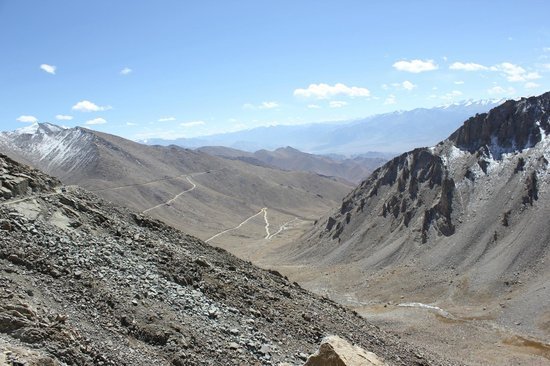
Tucked on a sun-baked hillside along the road to Pangong Tso, Chemrey Monastery (Chemrey Gompa) offers a peaceful counterpoint to Ladakh’s more frequented spiritual sites. It combines a compact, authentic monastic atmosphere with striking art, a magnificent Maitreya statue and sweeping views of the surrounding Indus valley and distant mountains — making it a memorable stop for anyone travelling between Leh and Pangong.
Where Chemrey Monastery sits and why it matters
Chemrey is located about 45–55 kilometres southeast of Leh on the route that continues to the iconic Pangong Lake. Its elevated position on a small ridge gives it a broad perspective over the valley below and the plains that lead to the high-altitude lakes. The gompa belongs to the Drukpa Kagyu school of Tibetan Buddhism, and though smaller than Thiksey or Hemis, it retains a strong local presence and an uncluttered authenticity.
Brief history and spiritual significance
Chemrey Gompa was founded in the 17th century by Lama Tagtsang Raschen, and it later developed under the patronage of the Namgyal dynasty of Ladakh. Traditionally, the monastery served the spiritual needs of nearby villages and acted as a centre for teaching, rituals and seasonal festivals. Its continuing importance lies in preserving local liturgies, monastic practices and art forms that reflect Ladakh’s blend of Tibetan culture and Himalayan adaptations.
What to see inside the monastery
Although compact, Chemrey is rich in visual and spiritual treasures. Allow at least 45–90 minutes to explore attentively.
- The Maitreya (Future Buddha) statue: The monastery is famed for a large (approx. 25–30 metre) painted cloth depiction of Maitreya Buddha. This colossal thangka-like representation is typically displayed on special occasions — but even when not unfurled, references to this icon are visible in the gompa’s imagery and smaller statues.
- Main assembly hall (du-khang): The prayer hall hosts daily rituals and is decorated with colourful frescoes, mandalas and depictions of lineage masters. The atmosphere is intimate; monks chant and perform pujas with traditional instruments.
- Murals and thankas: The walls are adorned with finely detailed thankas and paintings depicting Buddhist cosmology, protector deities and the lives of saints. These works are good examples of Ladakhi interpretation of Tibetan iconography.
- Monastic quarters and smaller chapels: Wander the narrow courtyards and stairways to see monk cells, small shrines and butter lamps. These quieter spaces often reveal the everyday rhythm of monastic life.
Visual highlights and photography
Photographers will appreciate the interplay of colour and light against the ochre walls and prayer flags. Early morning and late afternoon provide the most flattering light for exterior shots and the valley panorama. Remember that photography inside sanctified halls may be restricted — always ask first and turn off flash.
Festivals and special events
Chemrey hosts a notable annual event known as the Chemrey Angchok or Chemrey Festival, usually held in the summer months. The festival features cham dances (masked ritual dances), colourful processions and the public display of sacred images. Festivals are the best time to witness local devotion, traditional music and dance, and an influx of villagers from surrounding hamlets.
Visiting during a festival offers a rare chance to feel the monastery’s living culture, but even quiet days retain a deeply contemplative charm.
How to reach Chemrey Monastery
Most travellers visit Chemrey as a stop on the Leh–Pangong route. From Leh, it is an easy drive along the main road; the route is well maintained through most seasons but can be affected by snow in winter. Options include:
- Private taxi or self-drive: The most convenient choice, allowing you to stop for photos and for acclimatisation breaks en route.
- Shared cabs or organised tours: Many Pangong-bound sightseeing trips include Chemrey as a brief stop. Check the itinerary if you want more time at the gompa.
- Motorbikes: Popular with adventure riders, the road to Chemrey offers scenic stretches but requires caution — watch for loose gravel and local traffic.
Altitude, health and practical tips
Chemrey sits at a high altitude, similar to Leh’s elevation. Even if you feel acclimatised in Leh, follow basic precautions:
- Acclimatise in Leh for a couple of days before heading out, particularly if you plan to proceed to Pangong or further high passes.
- Stay hydrated and avoid excessive exertion immediately upon arrival.
- Carry warm layers — temperatures can drop quickly, especially in the morning or after sunset.
- Respect monastic etiquette: remove shoes where indicated, dress modestly, and avoid loud conversation inside prayer halls.
Nearby attractions and combining stops
Chemrey fits neatly into a day that includes several other cultural and natural sights. Popular combinations include:
- Thiksey Monastery: Often paired with Chemrey, Thiksey is larger and features an impressive Maitreya statue of its own and panoramic terraces.
- Stok Palace and village: A short detour from the Leh–Pangong road, Stok gives insight into royal Ladakhi history and traditional architecture.
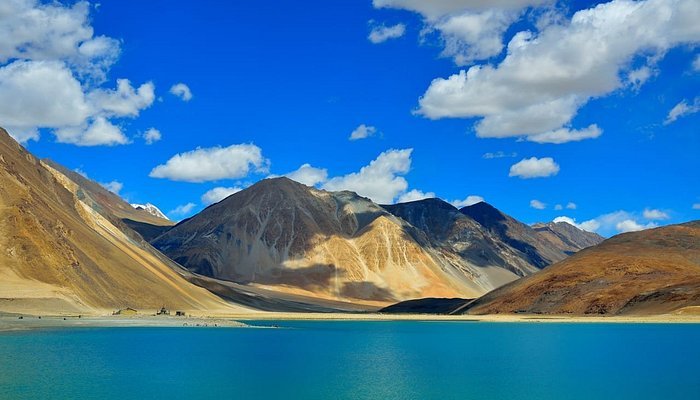
- Pangong Tso: The famous high-altitude lake is the next major destination along the road. Many visitors stop at Chemrey en route to or from the lake.
Best time to visit
The ideal months to visit Chemrey are from late spring through early autumn, roughly May to September. During these months the road is generally open, weather is milder and festivals take place. Winters are harsh and many roads close due to snow, though the monastery remains an austere sight in a snowy landscape for those prepared to travel in off-season conditions.
Permits, fees and rules
Visiting the monastery itself usually does not require special permits beyond your travel documentation. However, if your wider itinerary includes border areas such as Pangong, you may need an Inner Line Permit (ILP) or other permissions depending on current regulations. There is sometimes a small donation box for visitors at the monastery — contributing supports upkeep and local monastic life.
Suggested timing and sample visit plan
For a relaxed visit:
- Leave Leh after breakfast to give yourself acclimatisation buffer and time for roadside stops.
- Arrive at Chemrey mid-morning; spend 45–90 minutes exploring the gompa, inner courtyards and viewpoints.
- Continue to Thiksey (if included) and then on to Pangong, or return to Leh via the same route.
Final tips for travellers
- Carry water and snacks; facilities near the monastery are limited.
- Use biodegradable products and carry back all litter — Ladakh’s fragile environment needs mindful visitors.
- Engage with monks respectfully; many are happy to explain elements of ritual and iconography if you ask politely.
Conclusion
Chemrey Monastery is a hillside gem that rewards travellers who take the time to step off the main road. With its authentic monastic life, beautiful art and a calm vantage point over Ladakh’s rugged landscape, it’s an ideal stop for those seeking contemplative moments between the high-energy draws of Leh and Pangong. Whether you’re a pilgrim, photographer or curious traveller, Chemrey offers a sincere glimpse into the spiritual heart of Ladakh.