Diskit Monastery and the Maitreya Buddha of Nubra Valley
Perched on a ridge above the shimmering Shyok River, Diskit Monastery and its towering Maitreya Buddha are Nubra Valley’s spiritual and cultural heart. This guide covers history, architecture, festivals, travel tips and nearby highlights.
By TravMe Holidays travel team · · Updated · 6 min read
Perched above the Shyok River with sweeping views of sand dunes and snow-clad peaks, Diskit Monastery (Deskit Gompa) and the colossal Maitreya Buddha stand as the soul of Nubra Valley. Visiting Diskit is not just a sightseeing stop; it is an encounter with centuries-old Tibetan Buddhist traditions, local Ladakhi hospitality, and a landscape that seems to suspend time.
Why Diskit Monastery matters
Diskit is the oldest and largest gompa in Nubra Valley, belonging to the Gelugpa (Yellow Hat) sect of Tibetan Buddhism. Founded in the 14th century, it has long been a centre for religious study, local administration and cultural life for the communities along the Shyok and Nubra rivers. The monastery’s location—strategically placed on a hill—has allowed it to function as a watchpoint, spiritual refuge and a symbol of continuity in a remote frontier region.
History and spiritual significance
The origins of Diskit trace back several centuries, with early monastic life shaped by transmission of Buddhist teachings from Central Tibet. Over time, Diskit grew into a sizeable complex housing monks, sacred art, and manuscripts. The monastery preserves several ancient thankas (painted scrolls), statues and ritual items, and remains an active centre for monastic education and daily ritual performance.
The Maitreya Buddha: meaning and symbolism
Dominating the landscape at the monastery’s highest point, the Maitreya Buddha of Diskit is a modern but profoundly symbolic monument. Maitreya (the future Buddha) represents hope, compassion and the promise of a future awakening. The statue’s creation aimed to bless the valley, protect travellers and foster peace in the border region.
The statue is often accompanied by prayer flags and actioned rituals, and local people consider it a guardian. Visitors will notice that the monument faces the Siachen Glacier and the strategic mountain passes, a deliberate orientation that blends Buddhist symbolism with regional realities.
Architecture and monastery complex
Diskit Monastery is a compact yet rich complex of assembly halls, monks’ quarters, a shrine room with ancient images and a library. The main assembly hall houses an impressive statue of the Maitreya and murals depicting the life of the Buddha and Buddhist cosmology. The buildings are made of local stone and mud-brick, painted in traditional whitewashed facades with colourful wooden window frames.
Architectural details to look for:
- Assembly Hall (Dukhang): where daily prayers and monastic debates are held.
- Shrine Room: richly adorned with images, ritual implements and butter lamps.
- Stupas and chortens: small reliquary structures dotted around the hill.
- Monks’ quarters and kitchen: simple, functional spaces offering insight into monastic life.
Festivals and cultural calendar
One of the best times to visit is during Gompa festivals (Tsechus) and masked dances (cham) which showcase ritual theatre, Buddhist iconography and living traditions. These festivals usually follow the Tibetan lunar calendar and include elaborate costumes, masked dances and community gatherings. They are an excellent opportunity to witness the spiritual pulse of Nubra Valley and to experience local Ladakhi music, dance and cuisine.
How to reach Diskit Monastery
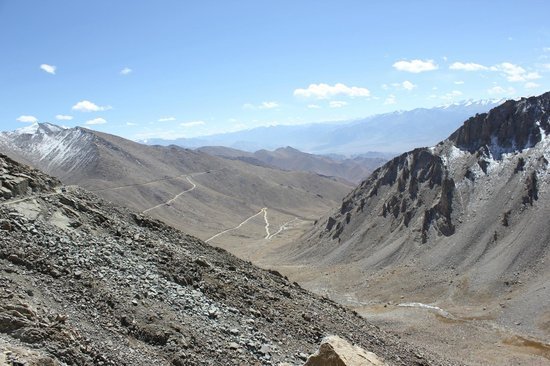
Diskit is in Nubra Valley, reached via the Khardung La route from Leh or via the more scenic routes from Hunder. Typical access options include:
- By road from Leh: Most travellers drive from Leh. The road passes through Khardung La (altitude permitting) and descends into Nubra Valley. Allow a full day for a relaxed trip with photo stops.
- Shared taxis and private vehicles: Available from Leh; shared taxis are economical but can be time-consuming.
- Multi-day tours: Many travellers include Diskit in a Leh–Nubra–Pangong loop or as part of an extended Ladakh itinerary.
Note: Road conditions and passes are influenced by weather and army restrictions; always check local travel advisories and have permits ready if required.
Best time to visit
The most comfortable months are late May to September, when roads are generally open and temperatures are milder. Winters are harsh and many services close; however, winter travel is possible for experienced travellers prepared for extreme cold. Monsoon has little impact here, but summer evenings can be chilly, and daytime sun is strong at high altitude.
Altitude, health and safety
Nubra Valley and Diskit sit at high altitude. Acute Mountain Sickness (AMS) can affect anyone regardless of fitness. Follow these precautions:
- Acclimatise in Leh for at least 48 hours before ascending to Nubra.
- Stay hydrated, avoid alcohol and strenuous exertion on arrival.
- Carry basic medication for headaches and consult your doctor about Diamox if you are prone to AMS.
- Dress in layers — temperatures drop sharply after sunset.
Local etiquette and respectful visiting
Diskit is a living religious site. Observe these courtesies to show respect:
- Ask before photographing monks, prayer sessions or people in ritual attire.
- Remove shoes and caps when entering shrine rooms; avoid pointing your feet towards images.
- Walk clockwise around stupas and prayer wheels when participating in devotional circuits.
- Keep noise low and avoid disturbing ongoing rituals.
Where to eat and stay
Diskit and nearby Hunder offer guesthouses, homestays and small hotels that cater to the typical traveller. Accommodations range from simple dorm-style rooms to comfortable family-run guesthouses. Many offer home-cooked Ladakhi food—momos, thukpa and barley-based dishes—which is a delightful way to experience local flavours. If you seek more comfort, Leh has a wider range of hotels and inns.
Photography and best viewpoints
The best light is early morning and late afternoon when the valley takes on warm hues and the statue casts long shadows. Useful tips:
- Use a polarising filter to manage glare from snow and the river.
- Respect any no-photography signs inside the shrine rooms.
- Capture the valley panorama from the base of the statue and also from the monastery terrace for contrasting perspectives.
Nearby attractions and day trips
Combine Diskit with these nearby highlights to enrich your Nubra itinerary:
- Hunder Sand Dunes: Famous for double-humped Bactrian camel rides and surreal desert-meets-mountains vistas.
- Turtuk: A picturesque village near the Pakistan border with distinct Balti culture and old apricot orchards.
- Panamik hot springs: Natural hot springs ideal for a relaxing soak after dusty drives.
Tip: Plan enough time to watch sunrise or sunset at the Maitreya statue. The colours and quiet make it a memorable spiritual moment.
Practical checklist
- Acclimatise in Leh for 48 hours.
- Carry warm layers, sunglasses, sunscreen and a water bottle.
- Confirm road status and permits with local authorities or your tour operator.
- Respect monastery rules and local customs.
- Pack a small first-aid kit and altitude medication if advised.
Diskit Monastery and the Maitreya Buddha of Nubra Valley offer a rare blend of spirituality, culture and dramatic landscape. Whether you are a pilgrimage traveller, a photography enthusiast or a curious explorer, Diskit provides a deeply human and visually stirring experience—one that lingers long after you descend from the ridge.
Conclusion: A visit to Diskit is a gentle immersion into Ladakhi faith and hospitality. With thoughtful planning, respect for local traditions and time to breathe in the valley’s vastness, the monastery and its Maitreya Buddha will remain a highlight of any Ladakh journey.