Chardham Yatra Itinerary Starting from Dehradun
A practical, day-by-day Chardham Yatra itinerary starting from Dehradun, covering travel routes, timing, accommodation tips and essential preparations for a smooth spiritual journey through Yamunotri, Gangotri, Kedarnath and Badrinath.
By TravMe travel team · · 6 min read
The Chardham Yatra—Yamunotri, Gangotri, Kedarnath and Badrinath—is a transformative pilgrimage in Uttarakhand. Starting from Dehradun offers the convenience of rail and road links and an ideal launch point for a carefully paced itinerary that balances travel time, acclimatisation and darshan.
Quick overview and planning essentials
Before you begin, understand that Chardham spans high-altitude terrain with narrow mountain roads. Travel windows depend on seasonal openings (usually late April/May to October/November) and weather. Plan at least 8–12 days to cover all four shrines comfortably from Dehradun, allowing for acclimatisation and buffer days for weather or road delays.
Best time to go
- Open season (generally May–October): roads clear and settlements operate normally.
- Shoulder months can be quieter but risk late snows or landslides; monsoon months carry higher risk.
Permits, registrations and safety
Carry valid photo ID at all times. Some routes—especially to Kedarnath—may require online registrations or e-permits and health declarations; check official Uttarakhand government portals for the latest requirements. Travel insurance that covers high-altitude rescue and medical evacuation is highly recommended.
How to reach Dehradun and onward connectivity
Dehradun is well connected by rail and road and has an airport with flights from major Indian cities. From Dehradun, private cabs or shared taxis are commonly used for Chardham routes. Pre-book vehicles where possible in peak season.
Suggested 10-day itinerary starting from Dehradun
This itinerary assumes moderate pace with time to acclimatise. You can compress or extend segments according to fitness and weather.
Day 1: Arrival at Dehradun — relax and local prep
Arrive at Dehradun and use the day to recover from travel. Check vehicle and supplies, buy essentials like warm clothes, trekking shoes, basic first-aid, high-energy snacks and water purification tablets. A light visit to local markets is useful for last-minute items.
Day 2: Dehradun to Barkot (Gateway towards Yamunotri)
Begin early from Dehradun and drive to Barkot via Mussoorie or Simla road depending on the route. Barkot is a convenient base before the Yamunotri approach and offers acclimatisation at moderate altitude. Overnight stay in Barkot.
Day 3: Yamunotri darshan and return to Barkot
Depart Barkot pre-dawn to Jankichatti or Kharsali, the roadhead for Yamunotri. From there, you can trek or hire a palki/mule/pony to Yamunotri temple. Perform darshan at the temple and visit the hot springs of Janki Chatti/Surya Kund area. Return to Barkot for the night.
Day 4: Barkot to Uttarkashi — move towards Gangotri
Drive to Uttarkashi, an important stop en route to Gangotri. Spend the afternoon exploring the town or relaxing. Uttarkashi offers lower altitude acclimatisation and medical facilities compared to higher shrines.
Day 5: Uttarkashi to Gangotri — darshan and return
Early morning drive to Gangotri. Gangotri Mandir and the Bhagirathi River ghat are the focal points. After puja and darshan, return to Uttarkashi or stay in a guesthouse near Gangotri depending on your preference.
Day 6: Uttarkashi to Guptkashi or Sonprayag — start heading to Kedarnath
Drive from Uttarkashi towards the Kedarnath base area. Many pilgrims stop at Guptkashi or Sonprayag, which are good staging points for the Kedarnath trek and have more accommodation options than the higher settlements.
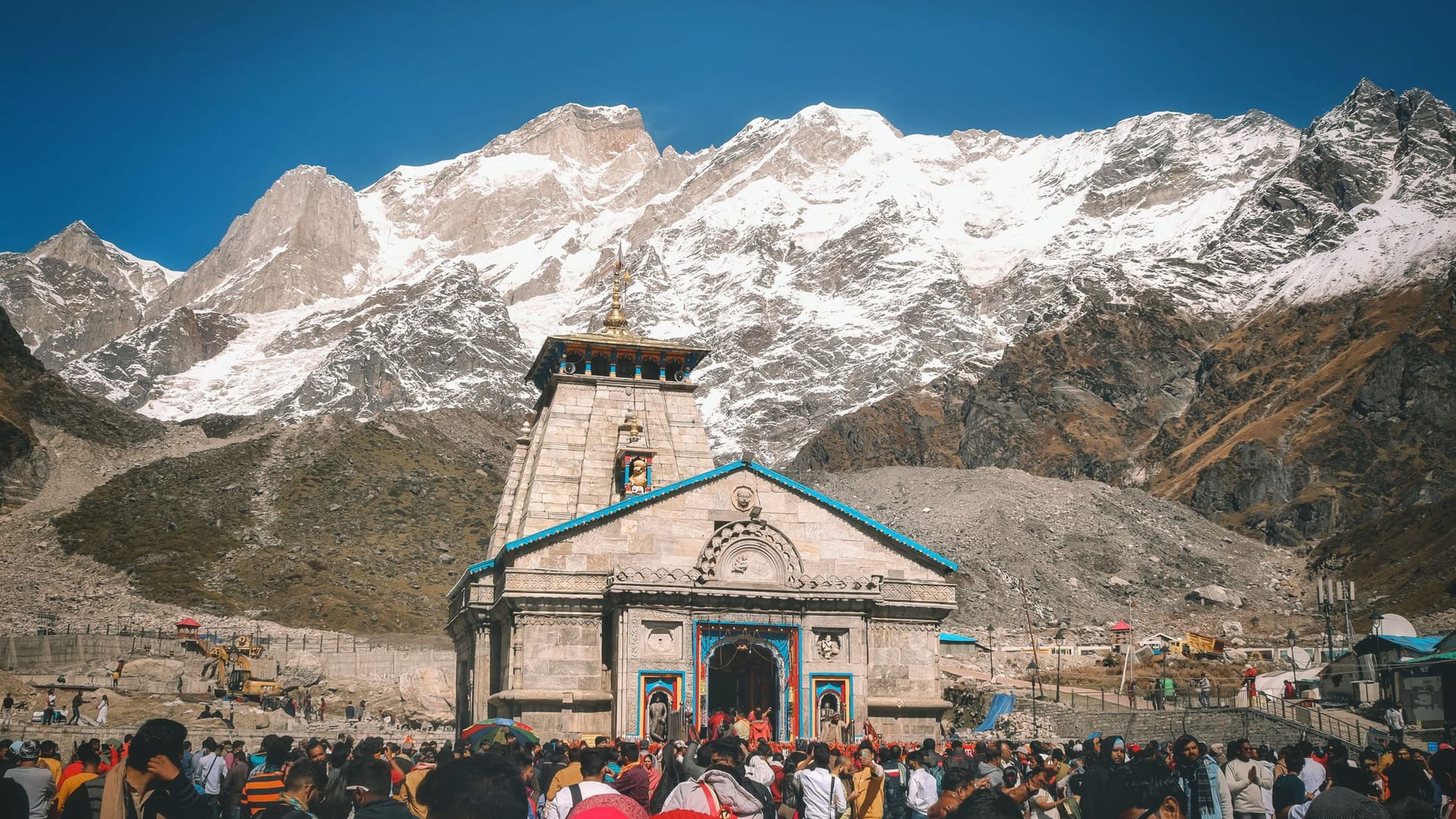
Day 7: Trek or helicopter to Kedarnath — darshan
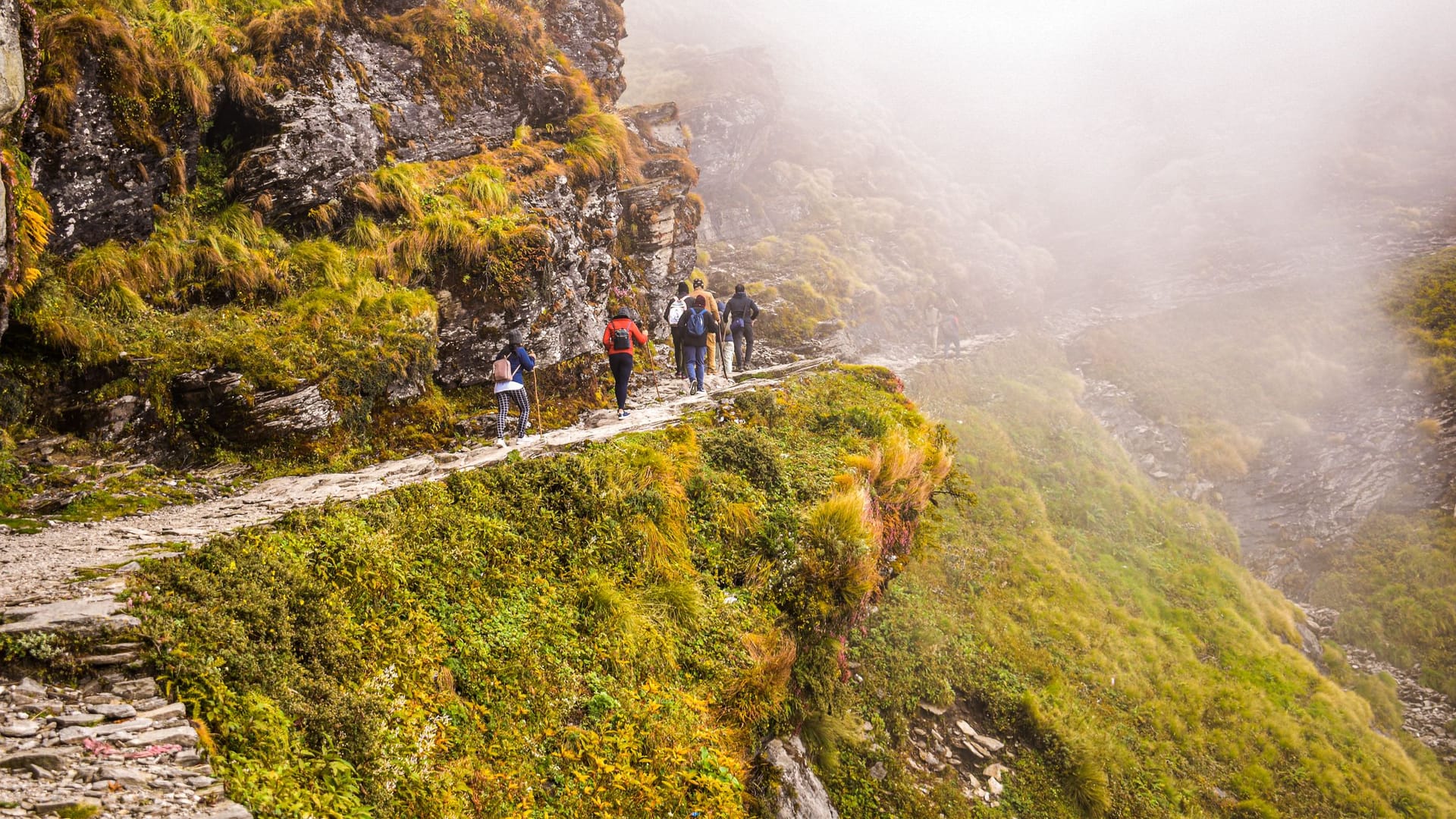
From Sonprayag, pilgrims either trek to Kedarnath (around 14 km uphill) or take a helicopter service to reach near the temple. If trekking, start early and pace yourself. Reach Kedarnath, perform darshan and stay overnight at available guesthouses or dharamshalas. Night temperature can be cold; carry warm layers.
Day 8: Kedarnath to Joshimath — descend and drive
Descend from Kedarnath to Sonprayag and drive towards Joshimath. Joshimath is a hub for Badrinath access and provides a comfortable stop with medical and accommodation facilities. Use the evening to rest and prepare for the final leg.
Day 9: Joshimath to Badrinath — darshan and Tapt Kund
Early morning drive to Badrinath. Visit Badrinath Temple and the Tapt Kund hot springs for a ritual dip. Explore nearby attractions like Mana village, Vyas Gufa and Mata Murti temple if time permits. Overnight at Badrinath or return to Joshimath if you prefer more comfortable lodging.
Day 10: Return to Dehradun
Begin the return journey to Dehradun. The drive is long; plan stops at convenient towns. Aim to reach Dehradun by evening or overnight depending on road conditions. This allows time for rest before onward travel home.
Alternative sequencing and transport tips
Some travellers prefer the reverse route (Badrinath/Kedarnath first) depending on road openings and helicopter availability. Helicopter services can shorten the Kedarnath leg significantly but book early in the season. Shared taxis are economical but private cabs offer flexibility with luggage and timing.
Accommodation and food
Accommodation ranges from government-run pilgrim dharamshalas to private guesthouses and hotels. Bookings during peak season fill up fast—reserve in advance when possible. Food at towns caters to basic dietary needs: dal, rice, roti, simple sabzis, and local snacks. Carry familiar energy-rich foods if you have dietary preferences.
Health, altitude and packing checklist
- Acclimatisation: Allow rest days and avoid ascending too quickly. Recognise symptoms of acute mountain sickness (headache, nausea, dizziness) and descend if they worsen.
- Clothing: Layered clothing, thermal innerwear, waterproof jacket, warm hat and gloves for nights and higher altitudes.
- Footwear: Comfortable trekking shoes with good grip; extra socks.
- Medicines: Carry a basic first-aid kit, personal medications, altitude sickness medication if prescribed, ORS sachets and insect repellent.
- Essentials: Reusable water bottle, power bank, torch, identity proof, photocopies of permits, and a small amount of cash in small denominations for remote areas.
Practical tips for a smooth yatra
- Start early each day to avoid traffic and give yourself time for stops and unforeseen delays.
- Respect local customs and temple protocols—simple grooming and dress codes often apply.
- Use filtered or boiled water; avoid uncooked street salads if you have a sensitive stomach.
- Keep extra days in your plan as buffer for weather, especially during monsoon and early/late season.
- Hire local guides or porters where needed; they can help with route conditions and logistics.
Tip: Keep a flexible mindset—the mountains reward patience. A slow, respectful pace makes the yatra safer and more meaningful.
Responsible travel and environmental considerations
Chardham routes pass through fragile ecosystems and pilgrim pressure can strain local resources. Minimise plastic use, carry your trash down when possible, and use dustbins at roadside points. Support local businesses—buying from tea stalls, local eateries and guesthouses contributes directly to mountain communities.
Final checklist before you leave Dehradun
- Confirm vehicle bookings and driver contact details.
- Print or download reservations and permits; keep ID accessible.
- Pack warm clothing, basic medicines, personal toiletries and snacks.
- Inform family or friends about your route and expected return dates.
Chardham Yatra from Dehradun is a pilgrimage that combines devotion with a journey through some of the most dramatic landscapes in India. With practical planning, sensible pacing and respect for local conditions, you can experience both the spiritual depth and natural beauty of this timeless route. Safe travels and Jai Bholenath!