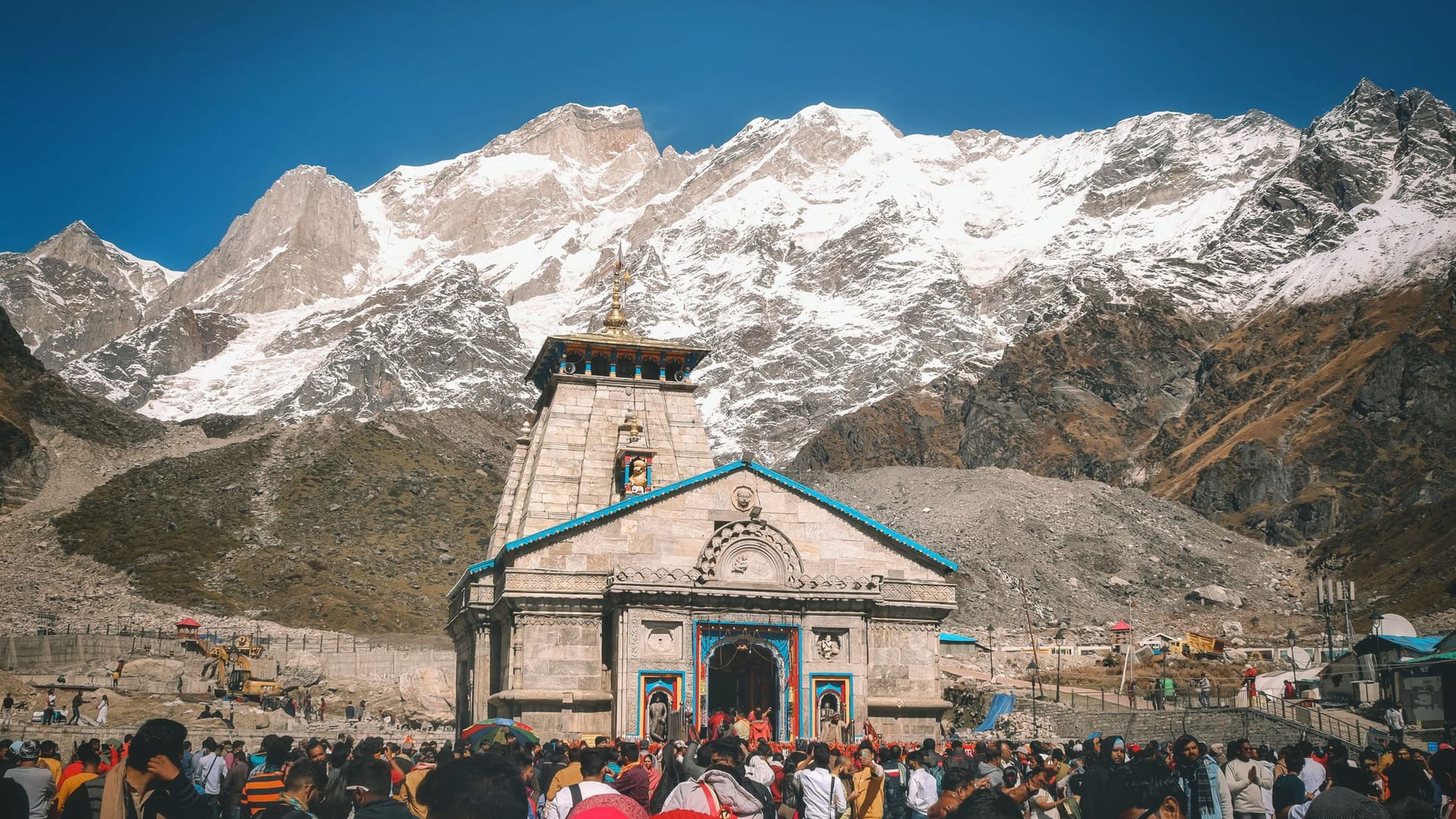
9-Day Chardham Yatra Itinerary for Pilgrims Short on Time
A compact, practical 9-day Chardham Yatra itinerary designed for pilgrims short on time, covering travel plans, temple timings, acclimatisation advice, packing list and safety tips for a smooth spiritual journey.
By TravMe travel team · · Updated · 6 min read
The Chardham Yatra—Yamunotri, Gangotri, Kedarnath and Badrinath—is a life-changing pilgrimage for many. If you have limited time, this 9-day itinerary compresses the essentials into a feasible, focused plan while keeping safety, acclimatisation and meaningful darshan at the core. Below you will find a day-by-day schedule, travel logistics, practical tips and alternatives to tailor the pilgrimage to your pace.
Overview and who this plan suits
This 9-day Chardham itinerary is for pilgrims who can travel intensively, are comfortable with long drives in the mountains, and prefer a guided or well-planned independent approach. It is not for travellers requiring a slow, leisure pace or for those with serious health constraints. If you have extra days, consider extending stays at Kedarnath or Badrinath to rest and explore.
Before you go: planning essentials
Preparation is the key to a trouble-free Chardham Yatra. Focus on travel permits, bookings, medical readiness and packing.
Bookings and permits
- Book trains/flights to Dehradun/Haridwar/Delhi and return tickets well in advance during pilgrimage season.
- Pre-book accommodation in advance at major stops—Haridwar, Uttarkashi, Guptkashi/Phata and Joshimath—because rooms fill quickly.
- Check for any local entry permits or registration requirements, especially for Kedarnath and seasonal road restrictions.
Health and acclimatisation
- Start cardiovascular conditioning weeks before the trip—brisk walking and stair climbing help.
- Carry a basic first-aid kit, medication for altitude sickness, rehydration salts and regular prescriptions.
- Hydrate frequently and avoid alcohol or heavy meals on travel days to reduce the risk of altitude-related discomfort.
Packing essentials
- Layered clothing: thermal inners, fleece, windproof jacket and waterproof outer layer.
- Sturdy walking shoes with good grip and a pair of comfortable slippers for temple visits.
- Light backpack for day treks, water bottle, sunscreen, sunglasses, cap and a torch.
- Copies of ID, emergency contact list, and some cash as digital payments may be limited in remote areas.
Transport and route choices
There are two common approaches to the Chardham: the traditional clockwise route starting from Yamunotri and the more popular Gangotri-first path. For a 9-day compressed schedule we recommend a logically aligned route that minimises backtracking and optimises road time.
Recommended route for 9 days
- Day 1: Haridwar/Rishikesh arrival and night halt.
- Day 2: Travel to Barkot (gateway for Yamunotri) via Mussoorie/Dehradun route.
- Day 3: Yamunotri darshan and proceed to Uttarkashi (gateway for Gangotri).
- Day 4: Gangotri darshan and drive to Guptkashi/Phata for Kedarnath approach next day.
- Day 5: Travel to Sonprayag and onward to Kedarnath (helicopter or trek/pony/palki depending on choice).
- Day 6: Kedarnath darshan, return to Guptkashi/Phata or stay overnight at Gaurikund/Phata depending on timing.
- Day 7: Drive to Joshimath/Badrinath area and prepare for Badrinath darshan next morning.
- Day 8: Badrinath darshan and start return journey towards Haridwar/Dehradun.
- Day 9: Final travel to Haridwar/Dehradun and onward departure.
Day-by-day 9-day itinerary
Day 1 — Arrival at Haridwar/Rishikesh
Arrive at Haridwar or Rishikesh. Use this day to rest, register for temple services if required and attend Ganga aarti at Har ki Pauri if you reach in the evening. Overnight in Haridwar/Rishikesh to acclimatise gently to the travel.
Day 2 — Haridwar to Barkot
Early morning drive towards Barkot. The journey crosses scenic hill roads; keep your camera handy. Overnight in Barkot or nearby; get an early night as the next day starts early for Yamunotri.
Day 3 — Yamunotri darshan, then to Uttarkashi
Proceed to the Yamunotri trailhead. Pilgrims can trek or opt for pony/palki depending on fitness and time. After darshan and cleansing rituals at Yamuna’s hot springs if desired, return and drive towards Uttarkashi for the night.
Day 4 — Gangotri darshan, drive to Guptkashi/Phata
Depart early for Gangotri. After darshan at the temple and a visit to the Bhagirathi source area, head towards Guptkashi/Phata in preparation for Kedarnath. This is a long drive—plan breaks and rest stops.
Day 5 — Approach Kedarnath (Sonprayag to Kedarnath)
Drive to Sonprayag, the base for Kedarnath. Depending on time and preferences, take a helicopter or prepare for the trek/pony/palki to Kedarnath. If you choose the helicopter, book in advance; if trekking, aim to start early and maintain a steady pace. Overnight in Kedarnath or return to Sonprayag based on arrangements.
Day 6 — Kedarnath darshan, back to Guptkashi/Phata
Attend morning darshan at Kedarnath and take in the mountain serenity. After darshan, begin descent to Sonprayag and drive back towards Guptkashi/Phata or a comfortable halt en route. Rest well—this stretch is physically taxing.
Day 7 — Guptkashi/Phata to Joshimath
Drive up to Joshimath, the gateway for Badrinath. Check local road and weather updates as Himalayan roads can be unpredictable. Use the evening to relax, perform light stretching and prepare for the Badrinath visit early next morning.
Day 8 — Badrinath darshan and Mana village
Early morning darshan at Badrinath to avoid crowds and make the most of the auspicious time. After darshan, visit nearby Mana village, Vyas Gufa and the Tapovan area if time permits. Begin your return journey to Haridwar/Dehradun in the afternoon or evening.
Day 9 — Return to Haridwar/Dehradun and departure
Complete the drive back to Haridwar/Dehradun, settle travel formalities and prepare for your onward journey home. If you have time, a final dip in the Ganga or a quiet moment at a temple can be a fitting closure to the Yatra.
Temple timings, darshan tips and etiquette
- Check exact temple opening and closing timings before your visit as they change seasonally and for special rituals.
- Carry modest clothing and avoid leather items inside sanctums. Many temples request simple offerings—flowers, incense or prasad.
- Respect local customs, follow queue discipline and listen to temple volunteers to make darshan smooth for everyone.
Safety, weather and contingency planning
Mountain conditions can change rapidly. Keep these safety pointers in mind:
- Monitor weather forecasts and travel advisories. Landslides and roadblocks are possible, particularly during monsoon or early/late seasons.
- Build buffer time into your schedule. If a day is lost to weather, identify which shrine you can reasonably reschedule without compromising the entire route.
- Carry a power bank and keep emergency contact numbers and ID copies in multiple formats.
Alternatives and upgrades
If you prefer less trekking or want to economise time, consider the following options:
- Helicopter services to Kedarnath from designated helipads reduce trekking time significantly but should be booked ahead during peak season.
- Private vehicle hire gives flexibility to stop and rest as needed and is often faster than public transport between distant hill towns.
- Extend your trip by a couple of days if you want a more relaxed pace, extra time for meditation and exploration of nearby spiritual sites.
Tip: A short period of silence each morning or evening during the Yatra can enhance your spiritual experience and help you cope with the itinerary’s intensity.
Final practical checklist
- Valid ID and permit documents, printed and digital copies.
- Comfortable footwear, warm clothes, rain protection and a small torch.
- First-aid kit, any personal medication and travel insurance details if available.
- Reusable water bottle and light snacks for long road stretches.
- Respect for local culture, patience with crowds and flexibility to adapt plans.
With the right preparation and a positive spirit, this 9-day Chardham Yatra can be both manageable and spiritually fulfilling. Stay mindful of your health, keep buffer time for mountain uncertainties and embrace the journey as much as the destinations. May your pilgrimage be safe, peaceful and transformative.
Safe travels and Jai Bholenath/Badrinath!