12-Day Chardham Yatra Itinerary at a Relaxed Pace
A relaxed 12-day Chardham Yatra itinerary that balances spiritual darshan with acclimatisation, scenic drives and rest days, ideal for first-timers and travellers preferring a gentle pace.
By TravMe travel team · · Updated · 6 min read
The Chardham Yatra is a transformative pilgrimage through the sacred Himalayan shrines of Yamunotri, Gangotri, Kedarnath and Badrinath. This 12-day relaxed itinerary is designed to reduce rush, allow proper acclimatisation and give time to savour mountain scenery, local culture and spiritual moments at each dham.
Overview and planning tips
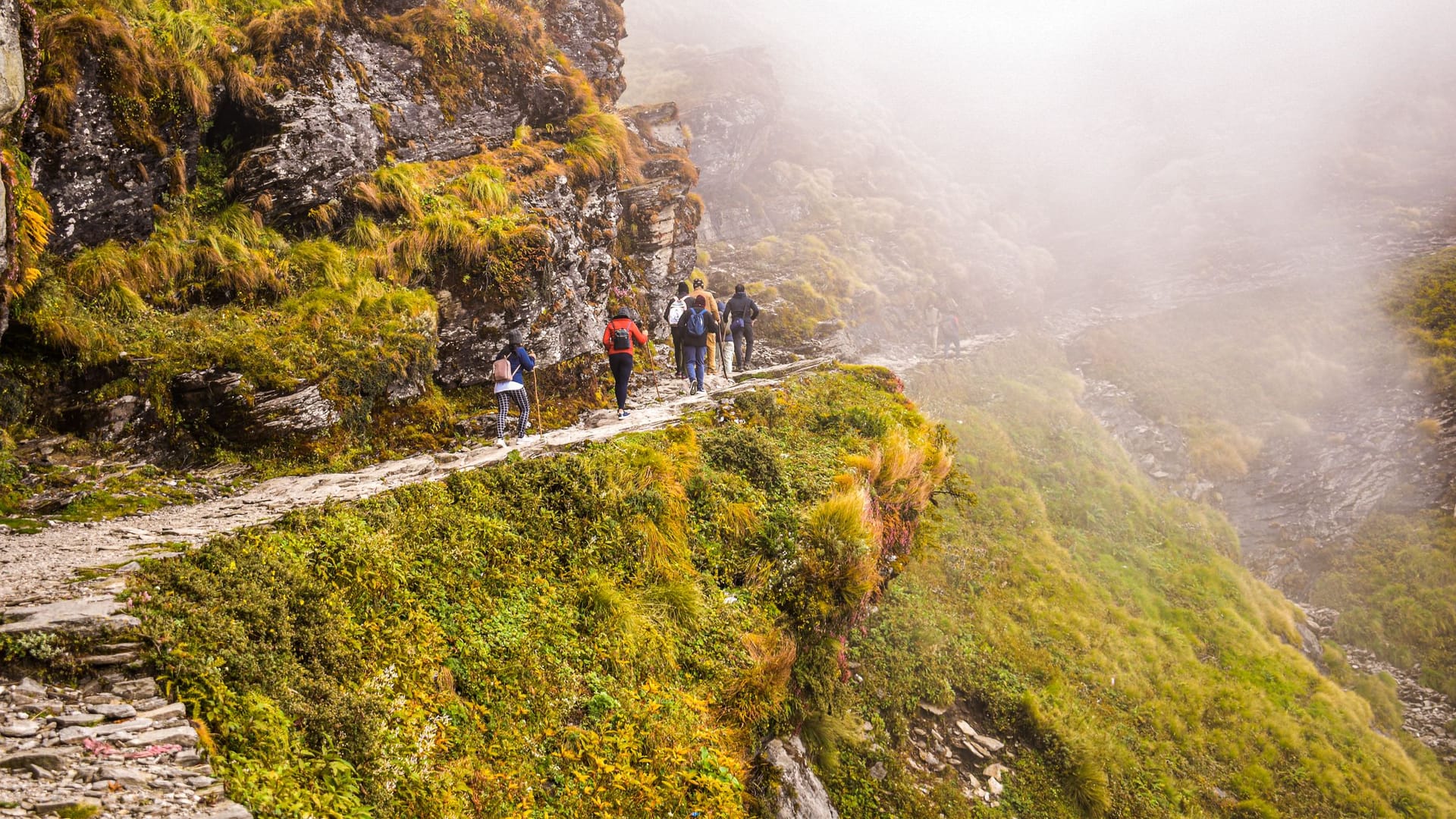
Before you set off, note that Chardham routes require mountain driving, some trekking and flexibility for weather changes. The classic base cities are Haridwar or Rishikesh for onward road travel. The best season is generally late April/May to October (outside monsoon and winter closures). Carry layers, sturdy footwear and permits if required; keep a day for acclimatisation early on. Consider booking travel and accommodations in advance during peak season.
How this 12-day plan works
This itinerary assumes arrival in Haridwar or Rishikesh on Day 1 and departure from the same place on Day 12. Travel times in the hills vary due to road conditions, so each travel day keeps distances manageable and includes buffer time. Two rest/light days allow for recovery after small treks (to Yamunotri and Kedarnath) and to enjoy the dhams at a calm pace.
Day-by-day itinerary
Day 1: Arrival at Haridwar/Rishikesh — orientation and puja
Reach Haridwar or Rishikesh and check into your hotel. Use the afternoon to attend Ganga aarti at Har Ki Pauri or visit Parmarth Niketan in Rishikesh. Finalise permits, buy any last-minute gear and meet your driver or tour coordinator. Stay overnight in Haridwar/Rishikesh.
Day 2: Haridwar to Barkot (gateway to Yamunotri)
Drive to Barkot (or a nearby base such as Jankichatti) via Mussoorie/Uttarkashi route depending on road choice. This is a long but scenic drive—stop for meals and acclimatisation as needed. Arrive in the evening, rest and hydrate; get an early night.
Day 3: Yamunotri darshan and return to Barkot
Early morning drive to Jankichatti or Uttarkashi depending on your route, then take the trek or pony/vehicle up to Yamunotri temple. The trek is steep in parts but short; many pilgrims prefer to hire a palanquin or pony. Spend time at the temple and the hot springs (Surya Kund). Return to Barkot in the afternoon/evening for dinner and rest.
Day 4: Barkot to Uttarkashi — rest and acclimatisation
Drive to Uttarkashi, a calm hill town with a spiritual atmosphere. Use this day to rest, explore the town (Kailashnath Mahadev Temple, Vishwanath Temple) and acclimatise further. Keep activities light and stay hydrated to minimise altitude discomfort.
Day 5: Uttarkashi to Gangotri — darshan and stay in Harsil or Uttarkashi
Drive early to Gangotri (about 100–150 km, depending on starting point), offering scenic river-valley views. Visit Gangotri Temple and the Bhagirathi River. Return to Uttarkashi or stay in nearby Harsil for a quieter mountain experience. Harsil is especially beautiful and less crowded.
Day 6: Uttarkashi/Harsil to Guptkashi — journey towards Kedarnath region
Begin your transition towards the Garhwal core by driving to Guptkashi. This day covers more distance; stop en route for refreshments and photo breaks. Overnight in Guptkashi prepares you for the next day’s travel to the Kedarnath base.
Day 7: Guptkashi to Gaurikund and trek/alternate to Kedarnath
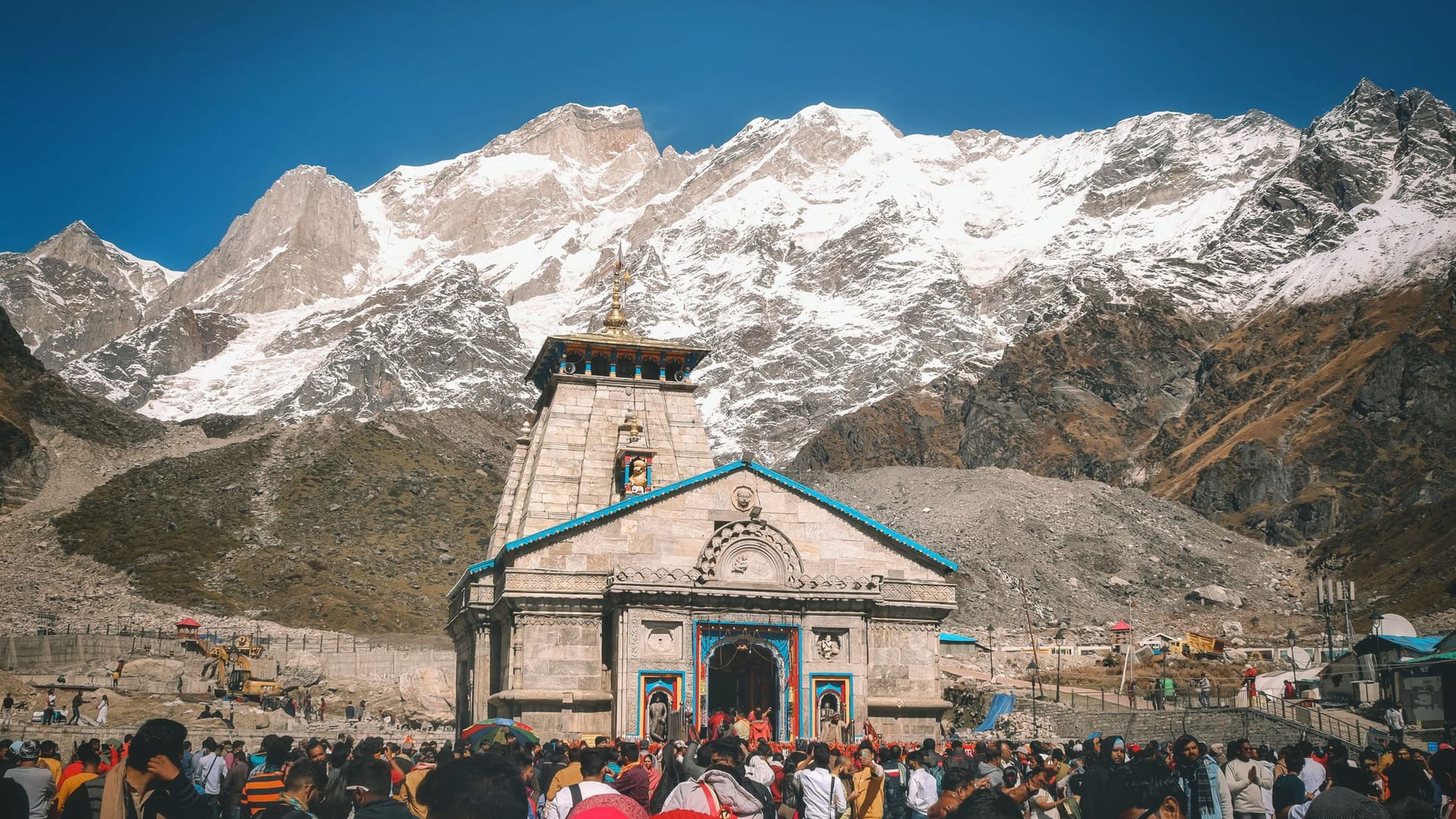
Drive to Gaurikund, the starting point for the Kedarnath trek. If you prefer a relaxed pace, choose the helicopter option (when available) to Kedarnath; otherwise plan for the mule/palanquin or a 16–18 km trek depending on your route. Spend time at Kedarnath Temple—its spiritual atmosphere is profound, especially at dawn or dusk. Overnight in Kedarnath guesthouse or return to Sonprayag/Gaurikund if you prefer less altitude exposure.
Day 8: Kedarnath to Joshimath — rest and recovery
Descend if you stayed in Kedarnath morning; drive towards Joshimath, which serves as a gateway to Badrinath. This day is intentionally lighter to allow physical recovery after the Kedarnath visit. Explore Joshimath, its temples and local markets. Stay overnight in Joshimath.
Day 9: Joshimath to Badrinath — darshan and stay in Badrinath
Drive to Badrinath early to reach the temple before it gets crowded. Visit Badrinath Temple, settle into the tranquillity of this high-altitude dham and perform customary rituals. Spend the night in Badrinath or nearby Mana Village to enjoy a serene mountain evening.
Day 10: Badrinath local exploration and rest day
Use this day to visit Tapt Kund, Mana Village, Vyas Gufa and local viewpoints. This is a restful day to absorb the spiritual vibe and avoid haste. Gentle walks and quiet time by the Alaknanda River make for a restorative experience.
Day 11: Badrinath to Rishikesh/Haridwar — long drive downhill
Drive back toward Rishikesh or Haridwar. This will be a long day on mountain roads, so start early and plan stops. Arrive by evening; enjoy a farewell Ganga aarti or a relaxing dinner, reflecting on the journey.
Day 12: Departure from Haridwar/Rishikesh
After breakfast, check out and proceed to your onward destination or home. If time allows, pick up souvenirs and local handicrafts or revisit a favourite ghat. Conclude the yatra with a peaceful send-off at the river.
Practical tips for a relaxed Chardham Yatra
- Acclimatisation: Spend the early days at moderate altitude and avoid heavy activity suddenly; hydration and sleep are key.
- Packing: Pack warm layers, rainproof jacket, good trekking shoes, sunscreen, sunglasses, personal medication and a small first-aid kit.
- Transport choices: Decide in advance about helicopter options to Kedarnath if you want to skip the long trek; book from authorised operators only.
- Bookings: Secure your hotels and permits early during peak months; consider guesthouses close to temples for convenience.
- Local etiquette: Dress modestly at temples, remove footwear at entry points and follow temple protocols for offerings and photography.
- Food and water: Prefer cooked meals, bottled or boiled water; carry energy snacks for longer stretches.
Tip: Allow flexibility—mountain weather can alter schedules. A calm, patient approach will make the yatra spiritually and physically more rewarding.
Health, safety and accommodation advice
Altitude sickness can affect anyone—look for symptoms like headache, nausea or breathlessness and descend if they worsen. Carry prescribed medicines and consult a doctor before travel if you have existing health issues. Choose accommodation with good reviews on hygiene and proximity to the shrine; in peak season, higher-end guesthouses fill up fast, so booking early reduces stress.
Photography, culture and respectful practices
Photograph landscapes liberally but seek permission before photographing priests, devotees or interiors where photography is restricted. Respect local customs: avoid loud behaviour near temples, participate in communal prayers if invited, and carry small offerings (flowers, rice) rather than cash to cultural volunteers. Interacting kindly with local people enhances your yatra experience.
Alternate options and customization
If you prefer fewer walking days, include helicopter transfers for Kedarnath and shorten stays in some towns. For a more adventurous version, add extra trekking days around Harsil or explore Deoria Tal near Sari village. Families or elders may prefer private vehicles and shorter daily drives; young travellers might choose to combine Chardham with nearby Kumaon or Himachal circuits.
With calm pacing, sensible breaks and an openness to the mountains’ rhythms, this 12-day Chardham Yatra offers both devotional depth and the space to breathe in some of India’s most sacred and scenic highlands. Safe travels and om shanti.