14-Day Chardham Yatra Itinerary with Rest Days Built In
A practical 14-day Chardham Yatra itinerary that balances pilgrimage with rest—includes travel logistics, acclimatisation days, daily plans, packing tips and safety advice for a spiritually fulfilling journey.
By TravMe travel team · · 7 min read
The Chardham Yatra — the sacred circuit of Yamunotri, Gangotri, Kedarnath and Badrinath — is physically demanding and spiritually rewarding. This 14-day itinerary builds in rest and acclimatisation days so you can follow the pilgrimage at a comfortable pace without missing the sanctity of each dham.
Overview: Why a 14-Day Plan Works
Most express Chardham packages rush through all four shrines in under a week, which can be stressful and unhealthy at high altitudes. A 14-day plan gives you time to adjust, avoid altitude sickness, and respectfully observe rituals. This itinerary assumes arrival from major North Indian hubs like Delhi, Dehradun or Haridwar, and uses road travel, local taxis and short treks where required.
Before You Leave: Practical Preparations
- Health check: Consult your doctor if you have heart or respiratory conditions. Carry basic altitude sickness medication and first-aid essentials.
- Permits and ID: Keep original ID and photocopies handy. Check for any temple-specific registration or restricted-area permits (especially for Kedarnath approaches or restricted passes).
- Bookings: Reserve accommodation and transport in advance, especially in peak season (May–June, September).
- Packing: Layered woollen clothing, windcheater, good trekking shoes, waterproofs, sun protection, reusable water bottle, personal medicines, and a power bank for remote stretches.
- Respect: Carry small offerings, a clean shawl, and follow temple customs — shoes outside, modest clothing, photography rules.
Day-by-Day Itinerary
Day 1: Arrival and Transfer to Barkot / Uttarkashi
Arrive from Delhi or Dehradun and begin the drive to Barkot (for Yamunotri) or Uttarkashi (for Gangotri). This day is about travel and light acclimatisation. Check into your hotel, rest, and stay hydrated. If time permits, visit local temples and markets.
Day 2: Yamunotri Darshan and Return to Barkot
Drive early to Janki Chatti or Phool Chatti, the base for the Yamunotri trek. The uphill walk or pony/ palki ride leads to the Yamunotri temple. After darshan and a dip or hot water bath in the medicinal Surya Kund (if you choose), return to Barkot. Evening at leisure—light walking only.
Day 3: Drive to Uttarkashi — Rest Day
Drive to Uttarkashi, an important town en route to Gangotri. Use this day to rest, acclimatise and explore nearby sites like Vishwanath Temple or small riverside walks. Gentle stretching and walking will help with acclimatisation.
Day 4: Gangotri Darshan and Overnight at Gangotri / Return
Proceed to Gangotri early. The temple complex and the Bhagirathi river ghat are serene in the morning. Participate in rituals and Ganga aarti if timings align. Depending on your plan and seasonal road access, either stay overnight near Gangotri or return to Uttarkashi.
Day 5: Transfer to Rudraprayag / Rest
Begin the long drive towards Rudraprayag, the gateway towards Kedarnath. This is a travel-focused day with scenic river valleys and mountain passes. Check into your hotel and take a complete rest—no strenuous activity.
Day 6: Rudraprayag to Gaurikund / Trek to Kedarnath
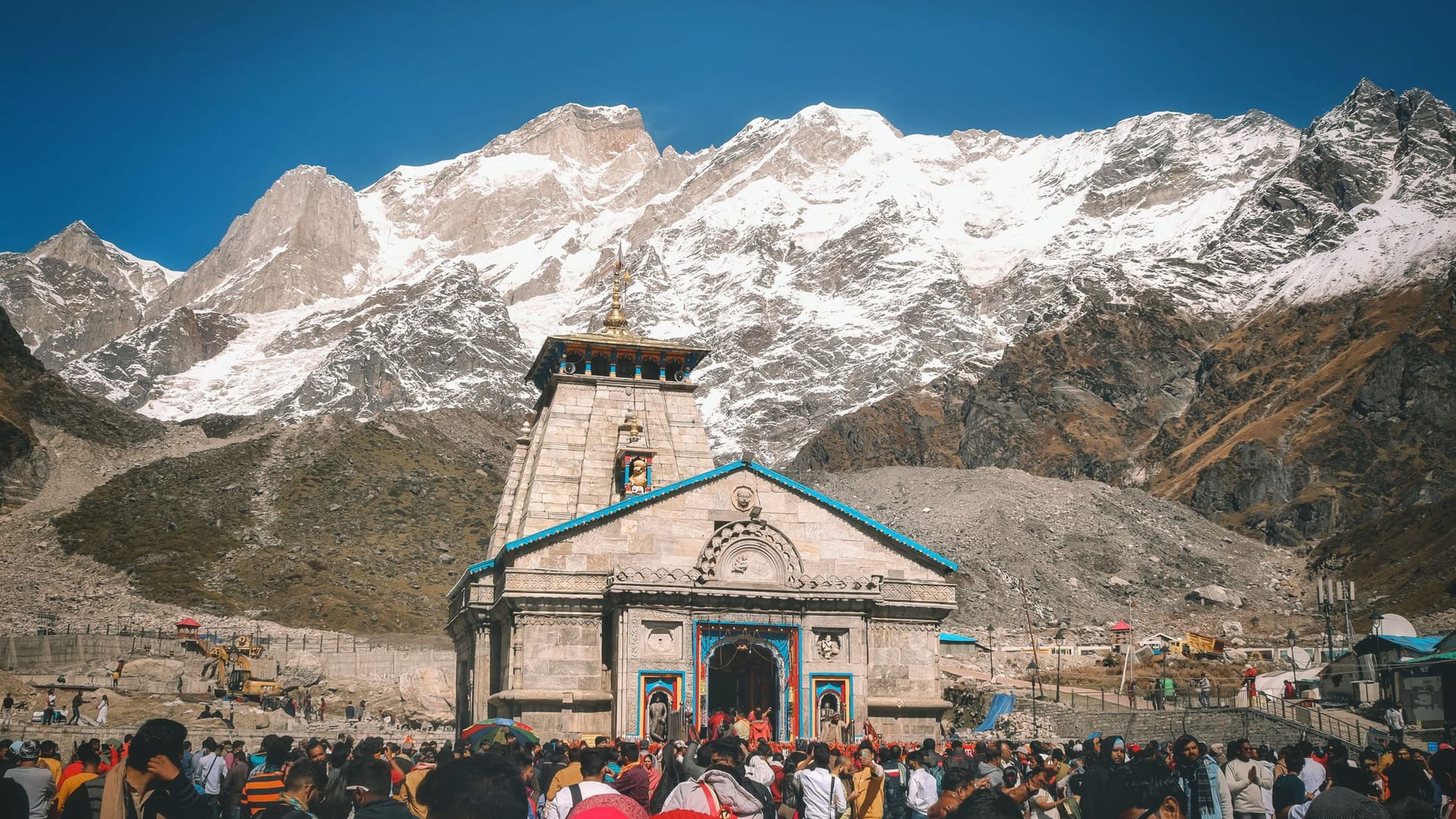
Drive to Gaurikund early morning, the trailhead for Kedarnath. The trek is moderate to difficult (approximately 16–18 km one-way depending on route) and will take several hours. Options include trekking, pony or palki. Overnight stay at Kedarnath guesthouses or dharamshalas depending on availability.
Day 7: Kedarnath Darshan and Rest
Attend the morning puja at Kedarnath temple. Spend time in the peaceful precincts, absorb the high-altitude surroundings and return to rest later in the day. This day is for spiritual reflection and recovery from the trek.
Day 8: Return to Gaurikund and Transfer to Sonprayag / Rudraprayag
Descend to Gaurikund and drive toward Sonprayag or Rudraprayag. A restful evening at the hotel will prepare you for the next leg to Badrinath. Keep fluids and light snacks to aid recovery.
Day 9: Drive to Joshimath — Rest and Acclimatise
Travel to Joshimath (approximate base for Badrinath and Auli). Use this as another acclimatisation day—short walks, visit local temples, and rest. Joshimath sits at a significant altitude; take it easy.
Day 10: Auli (Optional) and Drive to Badrinath
If you desire a short detour, Auli is a quaint hill station with meadows and views of Nanda Devi. Later in the day, proceed to Badrinath. Check into guesthouse or dharamshala and prepare for early morning darshan.
Day 11: Badrinath Darshan and Rest
Attend the morning rituals at Badrinath temple. The temple timings and crowd patterns change seasonally; arrive early for a peaceful experience. After darshan, explore Mana village, the last Indian village before the Tibetan plateau, weather permitting. Rest in the evening.
Day 12: Return Journey toward Rishikesh / Haridwar — Travel Day
Begin the long descent back to the plains. Plan for breaks along the way and an overnight stay in Rishikesh or Haridwar. This is a good day to catch up on sleep and savor lighter, familiar food.
Day 13: Leisure Day in Rishikesh / Haridwar
Spend a relaxed day visiting the ghats, attending Ganga aarti, or enjoying a gentle rafting session if you are inclined. Use this final easy day to sort mementoes, reflect on the yatra, and prepare for departure.
Day 14: Departure to Home City
Transfer to Dehradun or Delhi by road or train/flight depending on your reservation. Carry light snacks and water for the journey. Reach home with a sense of calm and spiritual renewal.
Tips for a Comfortable Yatra
- Pace yourself: Maintain a slow, steady pace. Forced speed increases risk of altitude-related problems.
- Hydration and diet: Sip water frequently and eat light, carbohydrate-rich meals. Avoid alcohol and heavy fried food at altitude.
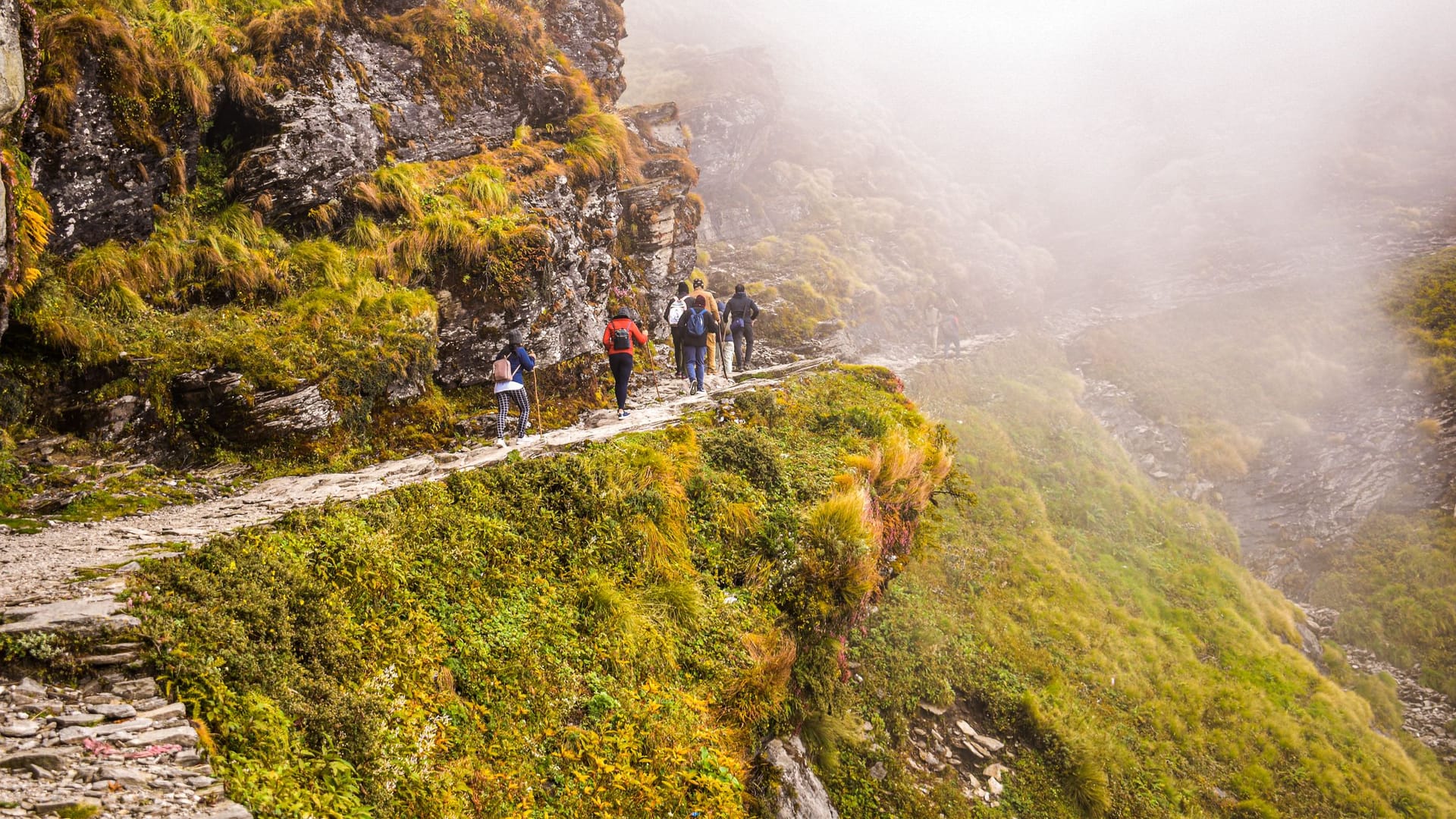
- Footwear and support: Good trekking shoes and a walking stick help on uneven trails. For long treks, cushioned socks reduce blisters.
- Respect weather windows: Mountain weather is fickle—carry waterproofs and extra warm layers even in summer.
- Cash and connectivity: Carry some cash; mobile connectivity is patchy in remote areas. Inform family of your travel plan and expected check-ins.
Pro tip: Early morning darshans are less crowded and more serene. If possible, plan your temple visits for dawn to experience the tranquillity and participate in morning aartis.
Accommodation and Food
Accommodation ranges from basic dharamshalas and government guest houses to comfortable hotels in larger towns. In temple towns, rooms can be simple; carry toiletries and warm bedding layers. Food is generally vegetarian—dal, sabzi, chawal/roti, khichdi and simple sweets. If you have dietary restrictions, carry suitable snacks and travel-ready meals.
Safety and Responsible Travel
- Altitude awareness: Know the signs of acute mountain sickness—headache, nausea, dizziness. Descend immediately if symptoms worsen.
- Guides and local support: Employ registered guides for treks and rely on reputable taxi services. Local knowledge improves safety in changing mountain conditions.
- Waste disposal: Carry a small bag for non-biodegradable waste—plastic and wrappers must be brought back to town bins. Respect local sanctity and natural surroundings.
- Emergency contacts: Keep numbers for local police, hospital and your hotel. Inform staff if someone in the group feels unwell.
Best Time to Travel
The most reliable months are late April to June and September to October. Roads open after winter snows, and the weather is generally stable. Monsoon months can cause landslides and road closures, while winter is mostly inaccessible for most pilgrims due to heavy snow.
Customising the Itinerary
This 14-day plan is flexible. If you prefer fewer treks, you can substitute helicopter transfers to Kedarnath (seasonal) or add an extra rest day in Joshimath or Rudraprayag. Families and elderly pilgrims should plan for more rest days and avoid long consecutive travel days.
Packing Checklist (Essentials)
- Layered clothing: thermal innerwear, fleece, windproof jacket
- Comfortable trekking shoes, socks, spare laces
- Basic first-aid, prescribed medicines, altitude sickness tablets
- Reusable water bottle, high-energy snacks, ORS packets
- Power bank, torch, extra batteries, lightweight backpack
- Identity documents, temple donation envelopes, photocopies of bookings
Final Thoughts
This 14-day Chardham Yatra itinerary balances devotion with wellbeing. Built-in rest days let you honour the spiritual rhythm of each dham without rushing, and thoughtful acclimatisation reduces health risks. Plan in advance, travel respectfully, and let the mountains do the rest—your yatra will be safer, calmer and more meaningful for it.
May your journey be safe and your heart steady. Om Namah Shivaya.