Why You Must Rest for 48 Hours After Landing in Leh
Leh sits at high altitude and requires a mandatory 48-hour rest after landing to reduce risk of acute mountain sickness; this article explains why, what to watch for and exactly how to rest safely.
By TravMe Holidays travel team · · Updated · 6 min read
Touching down in Leh feels like stepping into another world: crisp air, stark mountain silhouettes, and a wide, luminous sky. But Leh is also one of the highest inhabited towns in the world, and that thin air demands respect. Resting for at least 48 hours after arrival is not a leisurely suggestion — it's an essential safety measure to help your body acclimatise and to protect your trip from being cut short by altitude illness.
Why 48 hours matters: the physiology in plain language
At sea level we breathe air with roughly 21% oxygen. At 3,500–3,600 metres — the altitude of Leh — the percentage is the same but the atmospheric pressure is lower, so each breath delivers fewer oxygen molecules to your blood. Your body needs time to adjust: breathing rate increases, the heart works a little harder, and the kidneys alter fluid and hormone balance to help oxygen delivery. These adjustments take time.
Most important is preventing acute mountain sickness (AMS), a common condition at high altitude. AMS can start within a few hours and become serious within a day or two. Resting for 48 hours reduces exertion, giving your body the best chance to adapt and allowing early symptoms to be identified and managed before they escalate.
What is acute mountain sickness and how it progresses
AMS is a spectrum. Mild cases cause headache, fatigue, nausea and dizziness. If ignored or if ascent continues, AMS can progress to high altitude cerebral oedema (HACE) or high altitude pulmonary oedema (HAPE), both potentially life-threatening conditions. Recognising symptoms early is half the battle.
- Mild AMS: headache, poor appetite, nausea, light-headedness, difficulty sleeping, general weakness.
- Progressive symptoms: worsening headache not relieved by painkillers, increasing breathlessness, confusion, loss of coordination.
- Emergency signs: severe breathlessness at rest, coughing up frothy sputum, slurred speech, inability to walk, severe confusion — these require immediate descent and medical attention.
Why complete rest — not a day of sightseeing — is the best plan
After weeks of planning and a long flight, it is tempting to start exploring straightaway. But physical exertion increases oxygen demand and can provoke AMS. Even stair-climbing, walking around colourful bazaars, or a short hike can be enough to trigger symptoms in a previously asymptomatic traveller.
During the first 48 hours you should prioritise low activity: stay at your accommodation, move slowly if you must, and avoid heavy lifting or any strenuous exercise. This conservative approach protects your body as it recalibrates.
Practical things to do during the 48-hour rest period
- Hydrate thoughtfully: Drink plenty of fluids but avoid overconsumption. Mild dehydration worsens headaches; too much plain water can dilute salts. Include electrolyte drinks or light soups if you like.
- Eat light but regular meals: Prefer carbohydrates (rice, breads, noodles), which are easier to metabolise at altitude and provide quick energy for breathing and circulation.
- Sleep and nap: Your sleep may be disturbed initially. Short daytime naps help; avoid heavy stimulants like strong tea or coffee late in the day.
- Avoid alcohol and sedatives: Both depress respiration and increase risk of AMS and night-time breathing problems.
- Keep warm: Mountain climates are cold. Being chilled increases metabolic stress; wear layers and keep blankets handy.
Medications and preventive options
Discussing options with your doctor before travel is wise. Some travellers use acetazolamide (Diamox) to help with acclimatisation; it can reduce symptoms but is not a substitute for rest or descent if needed. Simple analgesics can treat mild headaches; antiemetics help nausea. Carry a basic altitude-first-aid kit and the prescriptions you may need.
Note: Do not self-prescribe medications without medical advice. If you have chronic medical conditions, consult a specialist before travelling to high altitude.
Who needs extra caution: children, pregnant travellers, older adults, and those with health conditions
Certain groups adapt more slowly or are at higher risk of complications. Children and older adults should be closely monitored; symptoms in children can be subtle. Pregnancy at high altitude carries additional risks and is usually advised against beyond the second trimester — check with your doctor. If you have heart or lung disease, uncontrolled hypertension, or any respiratory condition, obtain medical clearance before visiting Leh.
How to monitor symptoms during the 48 hours
Keep a simple checklist and check-in routine:
- Rate your headache on a 1–10 scale every few hours.
- Note any breathlessness at rest or on minimal exertion.
- Watch for nausea or vomiting, dizziness, and changes in coordination or alertness.
- Take your pulse and note any palpitations or unusual fatigue.
If symptoms worsen or you notice any concerning signs, do not delay — descend to a lower altitude and seek medical help. Even a short drive down to a lower valley can be lifesaving.
What to do if you feel unwell despite resting
If mild symptoms persist despite rest and conservative measures, a doctor in Leh can assess you. Oxygen therapy is available in local clinics and hotels sometimes keep oxygen cylinders for emergencies. For moderate to severe AMS, the correct management is descent to lower altitude, supplemental oxygen, and urgent medical care. Evacuation services exist but may be delayed by weather, so prevention and early action are critical.
Practical tips for a comfortable 48-hour stay
- Choose accommodation wisely: Book a comfortable, centrally heated guesthouse or hotel with easy access to services. A quiet, clean room helps rest.
- Slow movements: Walk slowly, avoid steep stairs if possible, and pace bathroom trips.
- Plan relaxed activities: Use the 48 hours to catch up on reading, journaling, short walks in town, photography from vantage points near your stay, or simply tea-time conversations with fellow travellers.
- Keep travel insurance handy: Ensure it covers high-altitude medical evacuation and treatment.
When to start exploring beyond Leh
After 48 hours of rest, many travellers feel better and can begin gentle sightseeing around Leh town: the Leh Palace viewpoint, prayer flags at Shanti Stupa, short visits to nearby monasteries at low exertion. But continue to ascend slowly if your itinerary involves higher passes or trekking. Follow the rule of not increasing sleeping altitude by more than 300–500 metres per day once you leave Leh, and take rest days on the way up.
Road trips and passes: add extra days
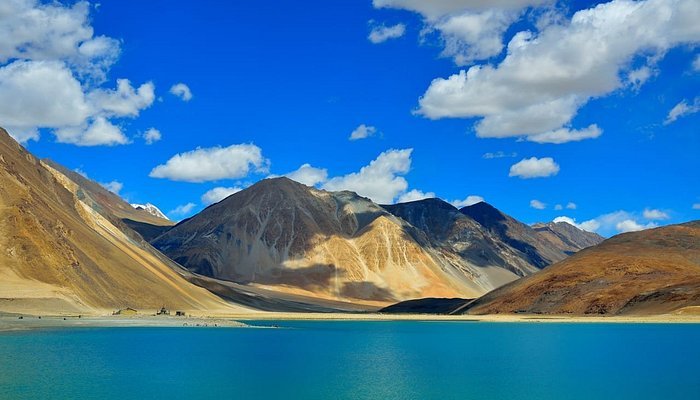
If you plan to drive to Pangong, Nubra Valley, or cross high passes such as Khardung La, factor in additional acclimatisation time. Many travellers allocate an extra day or two at intermediate altitudes to reduce risk — haste increases danger.
Final checklist before you land in Leh
- Discuss altitude risks with your doctor and carry necessary prescriptions.
- Book comfortable, centrally located accommodation for at least the first two nights.
- Packing: layers, warm clothing, a small medical kit, electrolyte sachets, sunscreen and sunglasses.
- Have travel insurance evidence and local emergency contacts accessible.
Arriving in Leh is a special moment — take the first 48 hours as a gift to settle in safely. With patience and sensible precautions, you’ll give your body the time it needs to adapt, reduce the risk of altitude illness, and set the stage for an unforgettable, active exploration of Ladakh.
Conclusion: Resting for 48 hours after landing in Leh is not only sensible travel advice; it is a practical, lifesaving habit. Prioritise slow movement, hydration, light meals, and symptom awareness. If problems occur, act early: rest, oxygen, descent, and medical attention when required. Do this and the stark beauty of Ladakh will unfold before you — safely and fully.