Spituk Monastery: Views Over the Indus Valley
Perched above Leh with sweeping views of the Indus Valley, Spituk Monastery is a serene Tibetan Buddhist complex blending centuries-old ritual, vivid robes and panoramic landscapes — a must-visit in Ladakh.
By TravMe Holidays travel team · · Updated · 6 min read
Sitting on a steep hillock overlooking the wide sweep of the Indus River, Spituk Monastery (Spituk Gompa) is one of the lesser-crowded spiritual enclaves near Leh that rewards visitors with spectacular views, colourful festivals and an intimate look into Ladakhi monastic life. Its compact complex, dramatic hilltop perch and resident monastic community make Spituk a refreshing contrast to the busier gompas closer to Leh. Whether you are a first-time visitor to Ladakh or a return traveller seeking calm vistas and ritual rhythm, Spituk offers both visual splendour and cultural depth.
Where Spituk Monastery is and why it matters
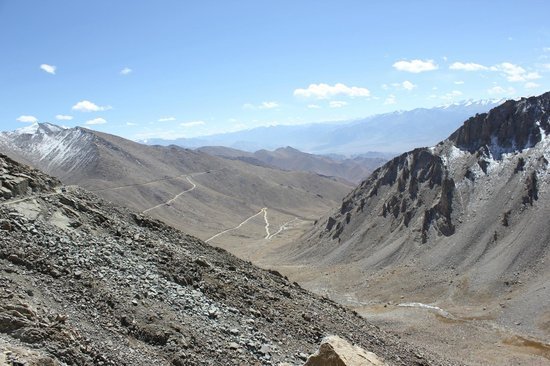
Spituk Monastery is located a short drive from Leh town, positioned to command a vantage point over the Indus Valley. From the monastery terraces you get a panoramic perspective of barren slopes, the braided river below and Leh’s cluster of whitewashed houses framed by distant high mountain ranges. Historically, Spituk has been an important centre for ritual performance and education in the Gelugpa tradition, and its compact hilltop layout means visitors can explore most of its key features within an hour or two while soaking in the landscape.
History and religious significance
Spituk has roots stretching back several centuries and is associated with the monastic reform movements that shaped much of Ladakh’s religious life. Over time it became a place where tantric practices and the monastic curriculum were both cultivated. Today the monastery continues to function as a living religious institution: monks pursue study, practice daily rites and preserve ritual arts such as mask dances and butter sculpture.
The monastery is also noted for its collection of religious artefacts and thankas (Tibetan Buddhist paintings) and for dignified bronze images that reflect the skill of Ladakhi and Tibetan artisans. For many locals, Spituk is a spiritual anchor — a place people visit for blessings, to offer prayers and to witness age-old ceremonies.
What to see and do at Spituk Monastery
Spituk rewards both the casual visitor and the more inquisitive traveller. Highlights include:
- Main Assembly Hall: Observe the simple yet solemn interior where monks gather for daily prayers. The atmosphere is reflective, filled with the sound of ritual horns and chant.
- Ritual Objects and Statues: Take time to view the varied ritual implements, ornate thangkas and statues that line the halls and chapels. Guided explanations can help decode the iconography.
- Panoramic Viewing Points: The monastery’s terraces offer some of the most photogenic outlooks on the Indus Valley — perfect at sunrise and late afternoon when light sculpts the landscape.
- Local Interaction: Meet monks when appropriate; respectful conversation can illuminate daily routines, studies and the rhythms of monastic life.
Best time to visit
Ladakh’s climate is sharply seasonal. The best months to visit Spituk are during the warmer, clearer months when roads are reliably open and the skies are expansive. Spring and summer bring pleasant days and cool nights, making walks and photography comfortable. Early autumn often offers crisp air and golden light that enhances valley views. Winters can be spectacularly quiet and snowy but access is restricted by weather and road conditions, so plan accordingly.
How to get there from Leh
Spituk is an easy drive from Leh and can be included as a short half-day excursion. Most visitors hire taxis from Leh or join small guided trips that combine Spituk with nearby attractions. The drive involves a modest climb and the access road is generally well maintained during the tourist season. If you prefer walking, there are short trekking options from villages in the valley, but do acclimatise first as altitude can affect energy levels.
Festival highlights
One of Spituk’s most compelling draws is its annual festival, which typically features impressive masked dances (cham) performed by the resident monks. During the festival, the monastery reverberates with ritual music, colourfully robed performers and a palpable sense of communal celebration. It’s a great opportunity to witness living traditions and to photograph dynamic ritual performances — arrive early for the best viewing spots and follow local guidance on respectful behaviour.
Photography and viewpoints
Photographers will find Spituk especially rewarding. Wide-angle shots work well for the sweeping valley vistas, while telephoto lenses bring distant mountain ranges and village life into dramatic focus. Early morning and late afternoon offer the best light. Remember to seek permission before photographing monks at close range, and be mindful of prayerful or private moments. Use a quieter approach: a respectful smile and soft voice go a long way.
Nearby attractions and combined itineraries
Spituk’s proximity to Leh makes it easy to combine with other cultural and scenic visits. Popular combinations include:
- Leh Palace and Shanti Stupa: These nearby landmarks provide contrasting perspectives on Leh’s history and panoramic city views.
- Shey and Thiksey Monasteries: Both accessible on a circuit, they showcase different architectural and artistic styles and can be paired for a full day of monastic exploration.
- Indus River Drives: Drive along the river for photography stops and to explore traditional Ladakhi villages and fields that sit within the valley.
Practical tips for visitors
- Acclimatisation: Leh sits at high altitude. Spend a couple of days acclimatising before exerting yourself to avoid altitude sickness.
- Respectful clothing: Dress modestly when visiting religious sites — cover shoulders and knees. A light scarf is useful for both respect and sudden weather changes.
- Quiet conduct: Keep noise to a minimum inside halls. Switch phones to silent and avoid intrusive behaviour during prayers and ceremonies.
- Guides and entry: A local guide can greatly enhance your visit by explaining symbolism and history. Entry to some chapels may require a small donation; carry cash in small denominations.
- Waste and water: Ladakh’s fragile environment benefits from careful travel practices. Carry a refillable water bottle and avoid single-use plastics.
Where to stay
Accommodation options are plentiful in Leh, ranging from guesthouses and homestays to boutique hotels. Staying in Leh lets you visit Spituk early in the morning or at sunset to avoid crowds and to enjoy soft lighting. If you prefer a quieter evening after visiting the monastery, choose smaller guesthouses that offer a local atmosphere and the chance to chat with hosts about Ladakhi life.
Health and safety
High-altitude travel requires sensible precautions. Keep hydrated, avoid heavy meals on the day of arrival and rest if you feel breathless or unusually tired. Pack sunscreen, sunglasses and a hat — UV levels are stronger at altitude. If you have pre-existing medical conditions, consult your doctor before travel and carry essential medications.
Tip: Visit early in the day for softer light and fewer visitors; late afternoon also rewards with golden hues over the Indus Valley.
When to keep expectations modest
Spituk is not a large, commercialised tourist site; rather it is a functioning monastery with a small monastic population. Expect modest facilities and a tranquil atmosphere rather than extensive visitor amenities. This simplicity is part of its charm and a reminder that the site remains primarily a sacred space for local people.
Spituk Monastery captures much of what travellers seek in Ladakh: dramatic landscapes, living culture and a sense of timelessness. With a short visit you can absorb beautiful vistas and meaningful rituals; with more time you can deepen that experience by learning from resident monks and exploring neighbouring cultural sites. Whether you are photographing sweeping valley views, attending a vibrant cham dance or simply sitting quietly on a terrace, Spituk rewards travellers who arrive with patience and respect.
Plan your visit during the accessible months, take time to acclimatise in Leh, and approach the monastery with curiosity and courtesy. The Indus Valley spreads out below like a living map of Ladakh’s past and present — and Spituk offers one of the loveliest vantage points from which to read it.