Lamayuru Monastery and the Moonland Landscape
Explore Lamayuru Monastery and Ladakh's otherworldly Moonland: history, how to reach, best times to visit, local culture, nearby attractions and practical tips for a memorable trip.
By TravMe Holidays travel team · · 6 min read
Lamayuru Monastery sits amid a surreal, eroded landscape often called the Moonland of Ladakh. Part spiritual sanctuary, part geological wonder, Lamayuru offers travellers a rare blend of Himalayan Buddhism, dramatic vistas and quiet, contemplative energy.
Why Lamayuru Feels Like the Moon
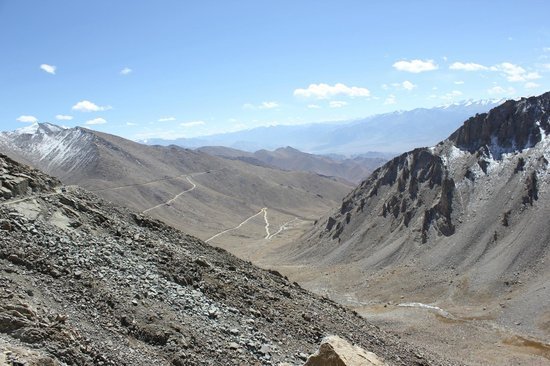
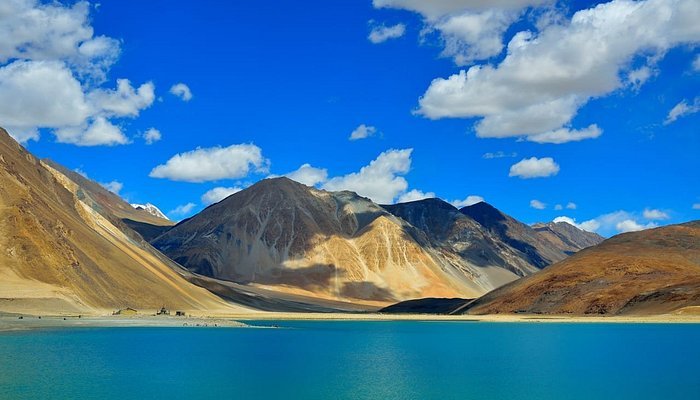
Lamayuru is famous not just for its monastery but for the moonscape that surrounds it: vast stretches of wind-carved earth, cliffs riven into fantastical shapes, and a palette of ochres and greys that change with the angle of the sun. This topography is the result of ancient seabeds uplifted and shaped by erosion over millennia. For photographers, trekkers and anyone seeking an unconventional landscape, Lamayuru is a living canvas.
Historical and Spiritual Importance
The monastery itself dates back many centuries and is one of the oldest gompas in Ladakh. It has been a seat of learning and worship for generations of monks and remains active, with rituals, prayer sessions and festivals that invite quiet observation. Architectural features include simple, robust gompa structures, prayer halls adorned with thangka paintings and a handful of old stupas that reflect Ladakh’s melding of Tibetan Buddhist traditions and local craftsmanship.
Getting to Lamayuru
Lamayuru lies on the road between Leh and Kargil, making it accessible as a day trip from Leh or as a natural stop for those heading toward the west of Ladakh. The most common approach is by road via the Srinagar-Leh highway (through Kargil) or the Manali-Leh axis followed by the internal Ladakhi roads.
From Leh
- Distance: Roughly a few hours' drive depending on stops and road conditions.
- Transport: Shared taxis, private cars and organised tours are the usual options. Self-drive with a hired vehicle is also popular for those experienced in high-altitude driving.
- Road conditions: Roads are mountain routes; be prepared for narrow stretches, occasional potholes and variable weather impacts. Allow extra time for acclimatisation and unexpected delays.
Permits and Practicalities
For international travellers and Indian nationals, check local permit requirements when planning travel deeper into Ladakh. Carry original ID, and ensure your vehicle and driver paperwork are in order if you are driving. Fuel stops are limited outside main towns, so start with a full tank.
Best Time to Visit
The optimal months to visit Lamayuru are late spring through early autumn. Summers bring pleasant daytime temperatures, while nights remain cool. Monsoon is mild in Ladakh but the surrounding regions can influence local weather; winters are harsh with heavy snowfall and most roads to Lamayuru are blocked.
Season-by-Season Snapshot
- Spring (April–June): Thawing landscapes, clear skies, good for photography and quieter visits before peak season.
- Summer (July–August): Warmer days, but also the most popular time for tourists. Expect more vehicles and guided groups.
- Autumn (September–October): Crisp air, spectacular light, and fewer visitors—ideal for contemplative walks.
- Winter (November–March): Severe cold and road closures; only suitable for experienced travellers with specific winter plans.
What to See and Do at Lamayuru
A visit to Lamayuru can be tailored to your interests—spiritual, photographic or adventurous. Allow at least a couple of hours to explore the gompa and the nearby formations. If time permits, an overnight stay in the area enhances the experience.
The Monastery Complex
- Prayer halls and assembly rooms where daily rituals take place; watch respectfully from the designated areas.
- Thangka paintings and mural art that reveal centuries of Buddhist iconography and local artistic expression.
- Stupas and small shrines tucked into rock faces—quiet spots for reflection away from the main visitor flow.
Moonland Walks and Photography
Paths around Lamayuru wind through the eroded cliffs and plateaus. Sunrise and sunset cast dramatic shadows and the terrain transforms into a palette of reds, yellows and greys. Carry comfortable walking shoes, water and sun protection; the sun can be intense at altitude.
Interacting with the Local Community
Lamayuru is a living monastery with resident monks and nearby villages. Engage with sensitivity: ask before photographing people, dress modestly when visiting religious spaces, and consider buying local handicrafts or refreshments from village stalls to support the community.
Nearby Attractions to Combine with Lamayuru
Lamayuru is often paired with other sites along the Leh-Kargil route or incorporated into western Ladakh itineraries.
- Alchi and Likir monasteries: Showcases of distinct art and architecture of Ladakhi Buddhism.
- Magnetic Hill and Gurudwara Pathar Sahib: Unique roadside attractions and spiritual sites.
- Indus Valley viewpoints around Leh: For panoramic views and additional historical sites.
Packing and Preparation Tips
Good planning enhances any trip to high-altitude locations like Lamayuru. Focus on comfort, health and respect for the environment.
- Clothing: Layering is essential—base layers, a warm mid-layer and a windproof outer shell. A hat, gloves and good trekking socks are useful even in summer nights.
- Footwear: Sturdy walking shoes or light trekking boots with good grip for uneven terrain.
- Sun protection: Strong UV at altitude makes sunscreen, sunglasses and a brimmed hat important.
- Health: Stay hydrated, avoid alcohol on arrival, and watch for symptoms of altitude sickness. Carry basic medication and any prescription drugs.
- Equipment: A refillable water bottle, a small daypack, a power bank and a camera with spare batteries or memory cards.
Sustainable and Respectful Travel Practices
Preserving Lamayuru’s fragile environment and supporting the local way of life are responsibilities for every traveller.
- Leave no trace: Pack out what you bring in; avoid single-use plastics where possible.
- Respect rituals and restricted areas within the monastery—observe silence in prayer halls and follow signage.
- Support local businesses: Eat at village guesthouses, buy handicrafts from villagers and hire local guides when possible.
Tip: Speak with monastery caretakers or local guides to learn about the history behind specific murals and rituals—this context brings the landscape and the gompa to life.
Safety and Travel Advice
Given the altitude and remoteness, safety planning is essential. Share your itinerary with someone, travel with a reliable vehicle and allow flexibility in schedules. Keep emergency contacts handy and know the location of the nearest medical facilities in Leh or Kargil.
Driving Considerations
Mountain driving demands caution: observe speed limits, watch for livestock and landslide-prone sections, and avoid driving after dark. If you are new to these roads, consider hiring a local driver accustomed to the conditions.
Sample Day Plan for Lamayuru
This is a flexible outline for a comfortable day trip from Leh.
- Early departure from Leh while the light is cool and traffic light.
- Stop en route for acclimatisation breaks and scenic viewpoints.
- Arrive at Lamayuru mid-morning: explore the monastery, attend a prayer session if available, and enjoy a short walk in the Moonland.
- Lunch at a nearby teahouse or packed meal; relax and photograph the landscape.
- Late afternoon return to Leh, or continue westwards to Kargil if part of a longer itinerary.
Conclusion
Lamayuru Monastery and its Moonland are a unique combination of spiritual depth and geological drama. Whether you are seeking a moment of quiet reflection, a photographer's playground, or simply an offbeat landscape to explore, Lamayuru rewards slow travel and respectful curiosity. Plan carefully for altitude and road conditions, spend time listening to the place, and you will carry home not only images but a sense of the timeless rhythms of Ladakh.