Why Local Union Taxis Operate in Gulmarg, Pahalgam and Sonamarg
Local union taxis are the backbone of transport in Gulmarg, Pahalgam and Sonamarg — regulated, community-run services that ensure safety, fair fares and local livelihoods in terrain-challenging Kashmir.
By TravMe Holidays travel team · · Updated · 7 min read
Kashmir’s three most iconic hill stations — Gulmarg, Pahalgam and Sonamarg — are celebrated for their meadows, glacial views and winter sports. Less visible but equally essential are the local union taxi systems that move visitors and locals around. Understanding why these unions operate and how they shape travel in each town helps you plan smarter, stay safe and support the local economy.
Why union taxis exist: geography, economy and governance
The prevalence of union taxis in Gulmarg, Pahalgam and Sonamarg is not accidental. It is the result of several overlapping factors:
- Challenging terrain: These hill stations sit in mountainous landscapes with narrow and sometimes steep roads. Local drivers know these routes intimately and are better prepared for changing weather and road conditions.
- Seasonality and demand peaks: Tourism in Kashmir is highly seasonal — summer influx for sightseeing and winter surge for skiing in Gulmarg. Union systems allow local operators to manage demand peaks efficiently and provide predictable availability.
- Regulation and permits: State transport and local municipal authorities often require permits and licences for vehicles operating on certain routes. Unions help operators comply with regulations and manage shared permits.
- Economic protection: Unions protect local drivers’ livelihoods by preventing external operators from undercutting locals and ensuring fares remain viable for community members who depend on tourism.
- Passenger safety and accountability: Union membership usually means drivers follow agreed codes of conduct, maintain their vehicles to required standards and can be held accountable through a formal grievance mechanism.
How the union taxi system works in each town
Each of the three towns has its own local flavour and operational model for union taxis. The common thread is local management and coordination, but there are practical differences you should know.
Gulmarg
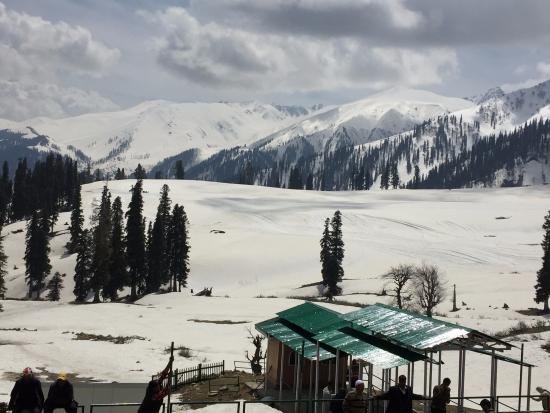
Gulmarg is a winter sports hub and a compact town with narrow lanes and a gondola (cable car) that takes you to higher altitudes. The union taxi system here focuses on last-mile connectivity between Tangmarg (where most road access ends), Gulmarg town, and nearby ski and meadow areas. Key points:
- Many taxis operate on a meter or fixed local fares set by the union during peak seasons.
- Unions coordinate vehicle parking and turnaround points to avoid congestion near the gondola and main hotels.
- Drivers are often experienced in winter driving and sometimes equipped with snow chains when required.
Pahalgam
Pahalgam is the gateway to the Lidder Valley and popular for trekking, trout fishing and its relatively longer drive from Srinagar. The union taxis here play a bigger role in multi-stop local tours such as Baisaran, Chandanwari and Aru Valley. Highlights:
- Union cars and shared taxis cater to both single-point transfers and sightseeing circuits, often offering half-day or full-day hiring options.
- Because many treks start from trailheads with limited parking, unions organise drop-offs and pick-ups at designated points to streamline movement.
- During pilgrimage seasons or festivals, unions coordinate with authorities to manage increased traffic.
Sonamarg
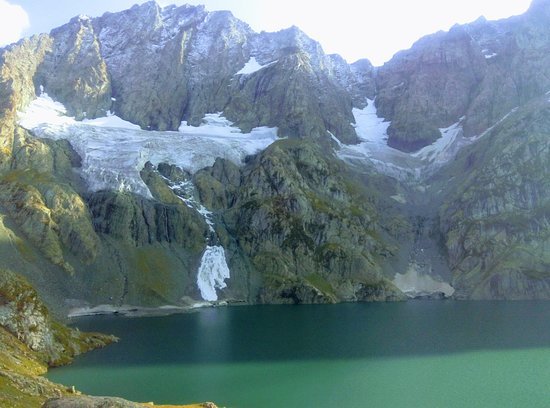
Sonamarg, known as the 'Meadow of Gold', is a launch point for alpine treks and glacier trails. The roads to some alpine pastures are even more remote, so union-organised taxis are crucial for both safety and route knowledge. Considerations:
- Many routes beyond Sonamarg require special permits or coordination with the administration; unions help with these logistics or advise travellers on where to obtain permits.
- Shared taxis and private hires operate to nearby attractions like Thajiwas Glacier and trekking trailheads; unions set fare norms and manage queues.
- Given the longer distances to some spots, union taxis usually enforce daily hiring rules and rest periods for drivers to maintain safety standards.
Benefits for travellers
Using union taxis in these Kashmir towns offers several practical benefits:
- Reliability: Unions ensure a steady supply of vehicles, especially during peak tourist seasons.
- Fair fares and transparency: With union-set rates or regulated meters, travellers are less likely to be overcharged than with independent operators.
- Local knowledge: Drivers know the best viewpoints, less-crowded trails, and real-time road conditions.
- Safety regulation: Unions impose maintenance and conduct standards which reduce the risk of substandard vehicles or unsafe driving practices.
- Support network: In case of disputes, unions provide a point of contact for complaints and mediation.
Benefits for local communities
Union taxi systems are not just transport networks; they are a form of community organisation that sustains the local economy:
- Employment stability: They provide livelihoods for drivers, mechanics and allied services.
- Local reinvestment: Revenue circulates within the community, supporting small businesses such as guesthouses, tea shops and guide services.
- Skill and tradition: Driving in mountain conditions is a skill passed within families; unions help preserve and remunerate that expertise.
- Collective bargaining: Unions can advocate for better road maintenance, fuel supply and public services on behalf of members.
How fares and bookings usually work
Each town has slightly different practices, but some general patterns apply.
- Fixed local fares: For short transfers within town limits, unions often publish fixed fares — ask at the union stand or at your hotel.
- Metered vs. fixed hires: While some union taxis use meters, many operate on fixed rates for point-to-point transfers or half/full-day hires.
- Shared taxis: Shared options reduce cost per passenger for common routes; expect to wait until the vehicle has enough passengers.
- Advance booking: Popular in peak season or for day excursions, you can reserve a union taxi through local union counters, your hotel, or a trusted travel agent.
Tips for using union taxis safely and respectfully
Make the most of the system while being a considerate traveller:
- Confirm the fare or ask for the union’s rate card before boarding.
- Keep luggage secure and be mindful of vehicle capacity limits during peak times.
- Carry small currency; drivers may not always have change for large notes.
- Respect driver schedules — many drivers work long hours and depend on rotations set by unions.
- Ask for help with permits if you plan to venture to restricted or remote areas; unions often guide you through the process.
- If a dispute arises, approach the union office rather than escalating with the driver directly.
Pro tip: For early-morning treks or glacier visits, pre-book a union taxi the evening before — availability can be limited and roads may be icy at dawn.
Alternatives to union taxis and when to choose them
Union taxis are not the only option, but they are often the most sensible. Alternatives include:
- Private hires: Suitable for tailor-made day trips or when you want privacy. Expect higher rates and always verify driver credentials.
- Rental self-drive: Not widely recommended in these mountain towns unless you are an experienced mountain driver familiar with local conditions.
- Hotel-arranged transfers: Convenient but often more expensive; hotels commonly work with union drivers, ensuring both convenience and local benefit.
- Public buses: Limited, less frequent and not always convenient for tourists with tight schedules or luggage.
How the unions contribute to sustainable tourism
By organising local transport, unions can help manage the environmental impact of visitors:
- Reduced vehicle churn: Fewer random vehicles entering sensitive areas reduces emissions and congestion.
- Route management: Coordinated drop-offs and pick-ups protect fragile meadow ecosystems from ad hoc parking and trampling.
- Community stewardship: Unions often participate in local clean-up drives and awareness campaigns for responsible tourism.
Common questions travellers ask
Are union taxis safe for solo travellers and women?
Yes. Union taxis generally offer a safe option because drivers are registered and answerable to the union. For added comfort, request a female-driven vehicle if available, travel during daylight where possible, and inform your hotel or a friend of your travel plan.
Can I negotiate fares?
For fixed union fares or metered rides, negotiation is typically unnecessary and discouraged. For private hires, polite negotiation is normal, but keep in mind that higher fares often reflect longer hours, rugged terrain and fuel costs.
What if a union taxi breaks down?
Unions usually maintain basic contingency plans. Report the issue to the union office or your hotel — they can arrange a replacement vehicle. Avoid getting stranded on isolated roads; wait in safe, visible locations.
Practical checklist before you travel
- Note the location of the local union office/stand in each town.
- Ask your hotel for the typical union rates for common routes.
- Pre-book for early starts or peak-season excursions.
- Carry a copy of your itinerary and emergency contacts.
- Pack warm clothing and basic medical supplies for sudden weather changes.
Understanding and using local union taxis in Gulmarg, Pahalgam and Sonamarg makes travel smoother, safer and more sustainable. These unions are community lifelines that blend practical transport solutions with cultural and economic stewardship. Next time you visit Kashmir, choose union taxis not just for convenience but as a way to respect and support local livelihoods.
Happy travels — and enjoy the meadows, mountains and warm hospitality of Kashmir.