Kashmir in Peak Season vs Off Season: Pros and Cons
A practical comparison of visiting Kashmir in peak season versus off season—covering weather, landscapes, activities, crowds, costs, and packing tips to help you choose the best time to travel.
By TravMe Holidays travel team · · 6 min read
Kashmir wears many faces through the year: carpeted in flowers and sunlight during spring and summer, transformed into a snowbound fairytale in winter, and softened by autumnal hues during the shoulder months. Choosing whether to visit in peak season or off season depends on what you want from your trip—adventure, calm, or budget-friendly exploration. This guide breaks down the pros and cons of each period, plus practical tips to plan your ideal Kashmir holiday.
When are peak and off seasons in Kashmir?
Understanding the calendar helps clarify expectations. Generally:
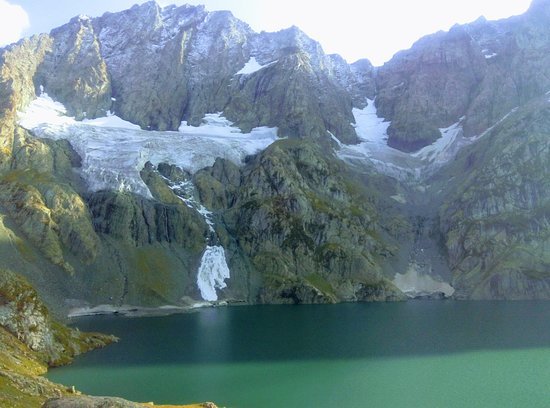
- Peak season: Late March/April to September—spring and summer months when houseboats, gardens and treks are most accessible. The months of April to June see tulips, apple blossoms and comfortable daytime temperatures. July and August are also popular due to school holidays and lush green landscapes.
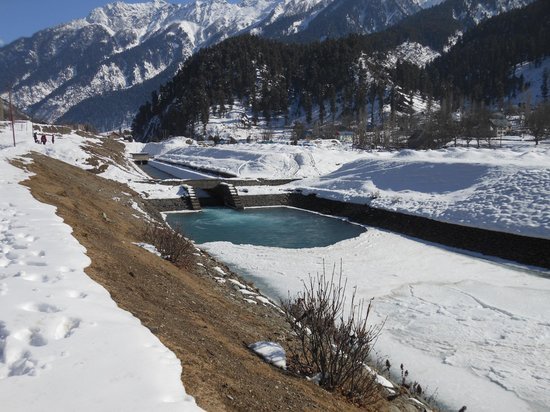
- Off season: October to March—autumn and winter when tourist numbers drop. November to February bring snowfall to higher reaches and frequent cold spells; some roads and passes can be closed in heavy snow.
Weather and landscapes
Peak season
Spring and summer showcase Kashmir at its most vibrant. Dal Lake reflects clear skies and shikaras glide gently. High-altitude meadows like Gulmarg and Pahalgam burst into wildflowers, and trekking routes become accessible. Daytime temperatures are mild to warm, usually pleasant for sight-seeing and outdoor activities.
Off season
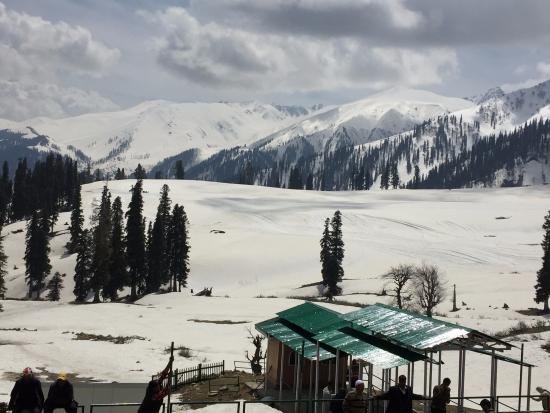
Autumn paints valleys in russets and golds, offering dramatic landscapes and crisp air. Winter turns the region into a snowy wonderland—Gulmarg becomes a skiing hub, and pristine snow covers roofs, apple orchards and peaks. However, persistent snow and icy roads can restrict access to some destinations and outdoor activities.
Activities and experiences
Peak season advantages
- Full range of activities: shikara rides, trekking, river rafting, mountain biking and long valley walks are readily available.
- Gardens and orchards are in bloom—Shalimar Bagh, Nishat Bagh and Chashme Shahi are at their best.
- Festivals and cultural events are more frequent; local markets bustle with handicrafts and fresh produce.
Off season advantages
- Winter sports: skiing, snowboarding and sledging in Gulmarg; unique snow experiences not possible during summer.
- Autumn offers vivid colours for photographers and quieter trails for contemplative walks.
- Far fewer tourists in many spots—ideal for a slow, immersive experience of Kashmiri life and hospitality.
Crowds and atmosphere
Peak season brings lively energy: crowded attractions, full houseboats and vibrant bazaars. If you enjoy social travel, meeting fellow tourists and joining guided group activities, this is the time for you. Conversely, off season delivers tranquillity. Towns and attractions feel intimate; you are more likely to experience local life without tourist throngs. If solitude, quiet photography or reflective travel appeals, off season is rewarding.
Costs, availability and logistics
Peak season
- Higher rates for hotels, houseboats and guided tours; early reservations are essential, especially during school holidays.
- Transport is busier—flights and trains may need advance booking. Local taxis and shikaras may be harder to secure on short notice.
- More businesses operate at full capacity: restaurants, activity operators and tour desks are readily available.
Off season
- Lower accommodation costs and more room for bargaining. Small hotels and homestays often offer attractive off-season packages.
- Limited services in remote areas—some guesthouses close for winter. Check availability before finalising plans.
- Transport disruptions are possible in heavy snow—carry contingency days in your itinerary.
Accessibility and safety
Access to certain high-altitude routes and passes fluctuates with the seasons. During peak months, most roads and trails are open and well-maintained. In winter, mountain passes such as the ones leading to Ladakh or other high reaches may close due to snow, making parts of the region less accessible.
Safety considerations:
- Peak season: heat, sun exposure and rapid weather changes on treks can be issues—carry sun protection and stay hydrated.
- Off season: icy roads, avalanches in heavy snow zones and hypothermia risk require informed planning. Use experienced local guides and reliable transport services in winter.
Food, culture and local life
The essence of Kashmiri cuisine and culture is present year-round, but the experience differs. Peak season brings street-side vendors, fresh fruit stalls and lively food scenes near markets. Popular dishes like rogan josh, dum aloo and fresh kahwa are easily available.
In off season, meals are cozier—homely kitchens and warm hospitality create memorable experiences. Winter specialties and preserved local produce (dry fruits, matson, chutneys) offer a taste of seasonal Kashmiri life. Cultural interactions with locals can be deeper when there are fewer tourists around.
Packing checklist by season
For peak season
- Light layers: breathable shirts, a warm sweater for evenings, a light rain jacket.
- Comfortable walking shoes, sunhat, sunglasses and sunscreen.
- Basic medication, insect repellent and a reusable water bottle.
For off season
- Warm, layered clothing: thermal inners, woollens, a down jacket and waterproof outer layer.
- Sturdy, insulated footwear with good grip, gloves, beanie and a scarf.
- Emergency essentials: high-energy snacks, portable charger, and awareness of alternative travel plans in case of snow-related disruptions.
Who should choose peak season?
- First-time visitors who want to tick off classic experiences—Nishat Bagh, Dal Lake, Gulmarg gondola and Pahalgam walks.
- Families with children preferring predictable weather and full-service tourist infrastructure.
- Travelers focused on trekking the popular routes, participating in festivals, or enjoying gardens and florals in full bloom.
Who should prefer off season?
- Couples and solo travellers seeking privacy, quiet and a more authentic local experience.
- Winter sports enthusiasts aiming for skiing and snow adventures in Gulmarg.
- Budget-conscious travellers who are flexible with logistics and keen on negotiating better deals.
Tip: If you want a balance, aim for shoulder months—March-April and September-October—when the crowds thin, landscapes transform, and you can enjoy many attractions with fewer hassles.
Practical planning tips
- Always check weather and road conditions before travel, especially in winter. Local authorities and reliable travel operators provide timely updates.
- Book accommodations and crucial transfers in advance during peak months. For off season, confirm that your chosen hotels and services are operating.
- Respect local customs—Kashmiri hospitality is warm, but discretion and polite behaviour are appreciated.
- Hire local guides for niche activities and treks; they provide safety and deeper insights into culture and terrain.
- Carry a flexible itinerary with buffer days to account for unexpected delays, particularly in winter.
Sample itineraries by season
Short examples to illustrate what a typical trip might prioritise:
- Peak season, 6 days: Srinagar (houseboat, Mughal gardens) — Gulmarg (gondola, meadow walk) — Pahalgam (Aru/Betar trails) with optional river rafting.
- Off season, 6 days: Srinagar (cozy houseboat, local cuisine) — Gulmarg (skiing, snow play) — local market walks and a day to experience a village homestay or saffron fields if accessible.
Final considerations
Your ideal time to visit Kashmir depends on whether you prioritise activity variety and floral beauty, or quiet, snowbound charm and lower costs. Neither season is inherently better—each offers distinct pleasures and challenges. With the right preparation, both peak and off season visits can be deeply rewarding.
Whichever season you choose, travel responsibly: support local businesses, follow environmental best practices and respect the culture that makes Kashmir such an unforgettable destination.
Conclusion: Kashmir's seasonal contrasts are part of its magic. Peak season delivers vibrant landscapes and full services, while off season gives solitude, seasonal experiences and value. Consider your priorities—weather, activities, crowds and budget—and plan accordingly for a memorable Kashmir holiday.