Is Self-Drive a Good Idea in Kashmir?
Thinking of driving yourself in Kashmir? This guide weighs the pros and cons, explains road conditions, permits, safety, vehicle choice and practical tips to help you decide if a self-drive trip is right for you.
By TravMe Holidays travel team · · Updated · 5 min read
Self-drive trips are increasingly popular among travellers seeking freedom and flexibility. Kashmir, with its dramatic valleys, high passes and winding roads, can be an unforgettable self-drive destination — but it also poses distinct challenges. This article helps you decide whether to rent the wheel for your Kashmir itinerary and how to prepare if you do.
Why people choose to self-drive in Kashmir
Driving yourself in Kashmir offers unmatched flexibility: stop whenever a viewpoint calls, customise your pace, explore offbeat hamlets and keep to a schedule you set. For photographers, outdoor enthusiasts and families who prefer privacy, a self-drive trip can feel intimate and empowering. Many travellers also enjoy the sense of adventure that comes with navigating mountain roads and reaching less-crowded spots.
Key considerations before deciding
Road conditions and terrain
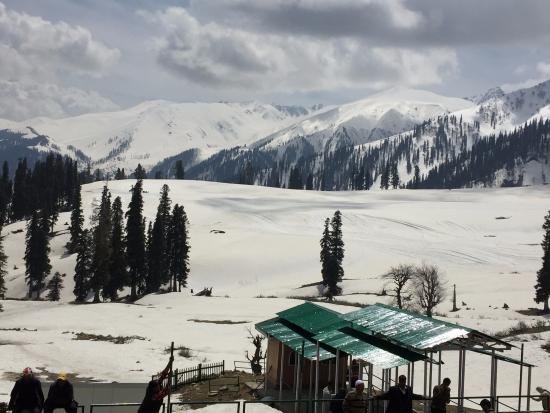
Kashmir's main routes — like Srinagar to Gulmarg, Pahalgam and Sonamarg, and onward to Leh or Jammu — vary widely in condition. While some stretches are paved and well-maintained, others are narrow, steep and prone to landslides or temporary closures during bad weather. In winter, heavy snowfall can make roads hazardous or impassable unless you have appropriate equipment and experience.
Driving experience required
Mountain driving is different from urban or highway driving. You need to be comfortable with tight hairpin bends, single-lane bridges, blind turns and abrupt elevation changes. Experience driving in hilly terrain, confidence in handling a vehicle on slippery surfaces, and knowledge of basic recovery techniques are important. Novice drivers might find it stressful and should consider alternatives.
Local regulations and permits
Certain areas in the greater Kashmir region may require permits for travellers, especially if your route approaches restricted or sensitive zones. If you plan to cross into territories with special entry rules, check permit requirements in advance with local authorities or your rental company. Always carry valid ID and vehicle documents when driving.
Weather and seasonality
Season plays a major role in deciding whether to self-drive. Summer (late spring to early autumn) offers the most reliable driving conditions, with open passes and accessible attractions. Monsoon brings increased risk of landslides and slippery roads. Winter demands winter tyres, experience with snow driving and flexible plans due to sudden closures.
Pros and cons at a glance
- Pros: complete itinerary control, ability to explore offbeat places, comfortable privacy, great for photography and family travel.
- Cons: challenging driving conditions, potential permit and paperwork hassles, no local knowledge unless you research, more responsibility for safety and navigation.
Choosing the right vehicle
Pick a vehicle that matches the routes you plan to cover. For high-altitude passes, rough tracks or heavy snow, an SUV with high ground clearance and good tyres is preferable. If you’re staying mostly on good roads between Srinagar, Gulmarg, Pahalgam and Sonamarg, a reliable sedan can suffice. Ensure the car has a spare tyre, jack, basic toolkit and a working phone charger.
Fuel availability
Fuel stations are available along major routes but can be sparse in remote stretches. Always start with a full tank and top up whenever possible. Carry some emergency fuel if you plan long detours into lesser-served areas.
Navigation and local knowledge
Good navigation is essential. Offline maps, GPS devices and a charged smartphone with saved maps will reduce stress. However, technology can fail in remote valleys — local directions and road signs remain invaluable. Be prepared to ask for guidance in villages along the way.
Safety tips for self-driving in Kashmir
- Drive defensively and at speeds suited to the road and weather; mountain roads demand patience.
- Avoid driving after dusk on unfamiliar stretches due to livestock, pedestrians and poor lighting.
- Check weather and road advisories each morning. Mountain weather changes fast.
- Carry warm clothing and emergency supplies in case of breakdown or delays.
- Keep emergency contacts handy: your rental company, local police and nearby accommodation.
Tip: If you’re unsure about a pass or a road, ask locals or your hotel staff. They often know about recent landslides, police checkpoints and safe alternative routes.
When to hire a local driver
Hiring a local driver is a sensible alternative if you prefer to relax and enjoy the scenery without the stress of mountain driving. Local drivers are familiar with road quirks, seasonal closures and the best viewpoints. They can also handle permits and local formalities. Consider a local driver if you:
- lack experience with mountain driving;
- want to travel in winter or monsoon seasons;
- plan to drive long distances or tackle high passes; or
- prefer to learn local insights and recommendations during the journey.
Sample self-drive itinerary ideas
Below are two flexible sample routes suited to different travel styles:
Short and scenic (ideal for 3–4 days)
- Srinagar base: explore Dal Lake and Mughal gardens at your pace.
- Day trip to Gulmarg: enjoy meadows and optional gondola rides.
- Day trip to Pahalgam or Sonamarg: return to Srinagar each evening or stay overnight for a relaxed pace.
Extended road trip (7–10 days)
- Srinagar to Pahalgam: take your time to visit Lidder Valley and Aru/Vishansar meadows.
- Pahalgam to Gulmarg via scenic backroads where available.
- Gulmarg to Sonamarg, then onward if you plan to continue to Ladakh — note that crossing into Ladakh requires acclimatisation and careful planning.
Permits, paperwork and rental tips
When renting, confirm what the rental company provides: valid registration, insurance coverage, and whether they allow out-of-state driving or travel across certain borders. Read the rental agreement carefully for clauses on damages, tyre punctures and recovery charges. Carry your driving licence and passport or Aadhaar as ID, and make copies of important documents.
Environmental and cultural responsibility
Drive respectfully. Kashmir’s environment is fragile — avoid off-roading in meadows, dispose of waste responsibly and respect local customs. Support local businesses by stopping at village cafés, buying handicrafts and hiring local guides for treks.
Final checklist before you start the engine
- Vehicle serviced and tyres checked; spare available.
- Enough fuel and emergency provisions (water, snacks, blankets).
- Offline maps downloaded and route plan shared with someone back home.
- Local contacts, hotel addresses and alternative accommodation options noted.
- Awareness of seasonal road advisories and permit requirements.
Self-driving in Kashmir can be a deeply rewarding way to experience the landscape if you prepare properly and respect local conditions. For those who relish control and adventure and have some mountain driving experience, it can be ideal. If you prefer ease, local insight or are travelling in winter, hiring a local driver or opting for guided transfers may be a better choice.
Conclusion: Choose self-drive in Kashmir if you value flexibility, have appropriate experience and equip yourself for mountain conditions. Otherwise, consider local drivers or guided tours to enjoy the region safely and comfortably.