Where to Stay on the Tawang Route: Bhalukpong, Bomdila or Dirang?
Choosing where to stop en route to Tawang — Bhalukpong, Bomdila or Dirang — depends on your priorities: acclimatisation, sightseeing, road fatigue, and time. This guide compares each town to help plan safe, comfortable stops.
By TravMe Holidays travel team · · Updated · 6 min read
The road to Tawang is one of India’s most scenic — and logistically demanding — mountain routes. If you are planning the drive from Assam or Guwahati towards Tawang, picking the right overnight stop can make or break your trip. Bhalukpong, Bomdila and Dirang each offer distinct advantages: lowland comforts and river views, mid-altitude monasteries and markets, or a tranquil alpine valley for acclimatisation. This article breaks down practical considerations to help you decide where to stay depending on your schedule, travel style and health needs.
Quick orientation: geography, distances and altitudes
Understanding the basic geography helps when planning stops.
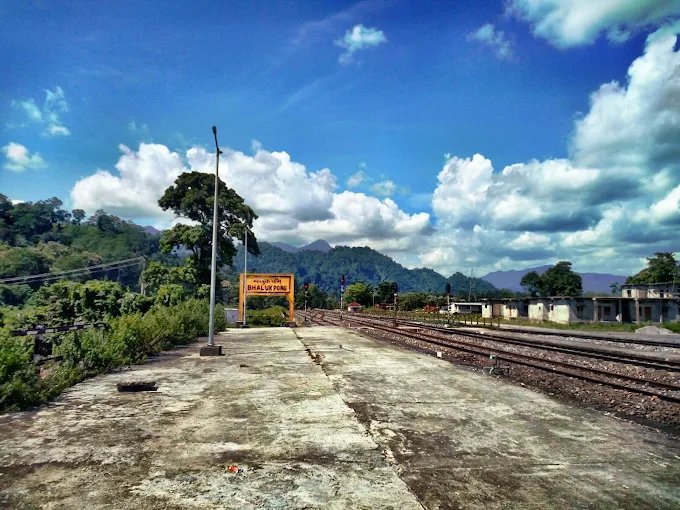
- Bhalukpong: Located at the Assam–Arunachal Pradesh border beside the Kameng River, it lies at low altitude and is usually the first major stop after leaving Guwahati region.
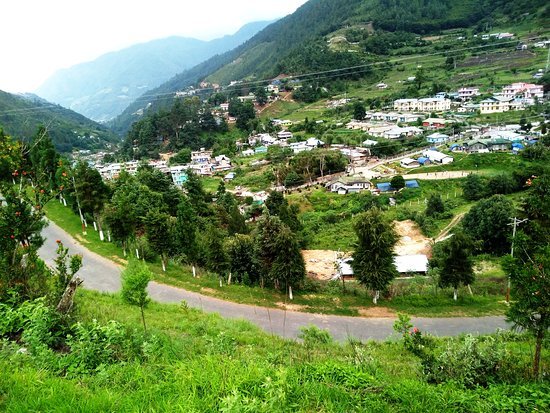
- Dirang: A pleasant valley town further up the Kameng valley, offering better altitude for acclimatisation and known for hot springs, fruit orchards and views of snow-capped ranges.
- Bomdila: Higher still and the district headquarters, Bomdila is a cultural hub with monasteries, craft shops and better high-altitude services than Dirang in some respects.
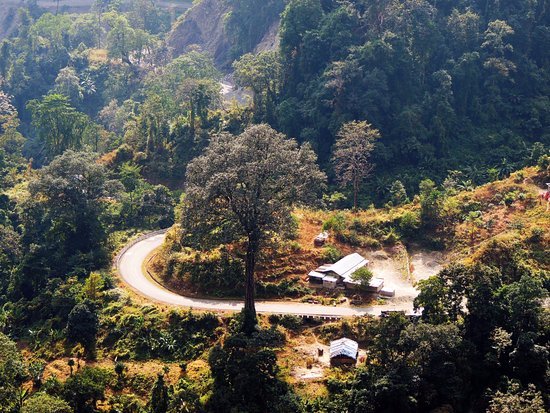
Distances and travel times depend on road and weather conditions. The drive to Tawang is long and curvy — plan for variable speeds and occasional stretches of slow progress due to roadworks, landslides or army convoys. Always allow buffer time rather than planning tight schedules.
Who should choose Bhalukpong?
Bhalukpong is ideal for travellers who want a gentle start after a long drive from Guwahati, or those arriving late in the day who prefer to avoid immediately climbing into the mountains.
Pros
- Easy drive from Assam plains — convenient for first night after Guwahati/Tezpur.
- Lower altitude means no immediate acclimatisation worries.
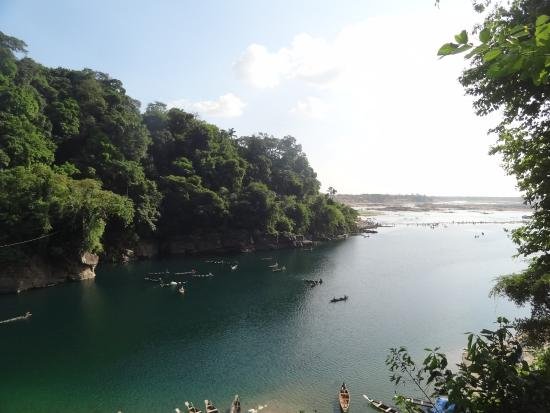
- Riverside setting offers relaxed vibe and leisurely evenings.
- Good choice for families, senior travellers or anyone avoiding long mountain driving at night.
Cons
- Not suitable for acclimatisation if you plan to rise rapidly to Tawang the next day.
- Fewer cultural sights compared to Bomdila; more of a transit town.
- Limited high-end accommodation; options skew basic to mid-range.
Best for
- First-time visitors who prefer gradual ascent.
- Travellers arriving late from Guwahati and wanting a short, stress-free drive next morning.
- Those focused on river activities and a peaceful first stop.
Who should choose Dirang?
Dirang sits at mid-altitude and strikes a balance between acclimatisation and sightseeing. It’s a favourite for those who want a scenic, restful stop without going all the way to Bomdila.
Pros
- Excellent for acclimatisation — altitude is higher than Bhalukpong but lower than Bomdila.
- Attractions include hot springs, apple orchards, vegetable nurseries and a pleasant monastery scene.
- Good range of accommodation from cosy homestays to comfortable hotels.
- Shorter driving hours on the next day to Bomdila or Tawang, which eases breaks into manageable segments.
Cons
- Smaller town than Bomdila — fewer services and markets.
- Roads nearby can be narrow and vulnerable to landslides in monsoon.
Best for
- Travellers who want a relaxed stop with light sightseeing and gradual ascent.
- Families and older travellers who want to avoid long single-day climbs.
- Anyone wanting to break the journey into two scenic drives rather than one long haul.
Who should choose Bomdila?
Bomdila is the cultural heart of West Kameng district and a practical stop if you want access to administrative services, craft shops and panoramic viewpoints.
Pros
- Higher altitude helps with acclimatisation before heading to Tawang.
- Good selection of guesthouses and hotels, some offering mountain views.
- Key attractions: Bomdila Monastery, craft centres, local markets and viewpoints for dramatic sunsets.
- More options for vehicle repair, permits and supplies compared to Dirang or Bhalukpong.
Cons
- Roads beyond Bomdila to Tawang involve higher passes and can be challenging; altitude gains are still significant.
- Weather can be colder and windier, especially outside summer months.
Best for
- Travellers interested in local culture, crafts and panoramic views.
- Those wanting full acclimatisation before ascending further to Tawang.
- Groups needing wider service options or more robust accommodation choices.
Practical planning: how to decide
Here are concrete questions to ask yourself when choosing a stop:
- How many days do you have? If you have extra time, stay longer at Dirang or Bomdila to acclimatise and explore.
- Who is in your group? Families and older travellers often benefit from Bhalukpong’s easy access or Dirang’s gentle altitude gain.
- When are you traveling? Monsoon months require caution — fewer roadside landslides are predictable and you might prefer shorter drives between stops.
- What are your interests? For culture and shopping, pick Bomdila. For nature and quiet, Dirang. For riverbank rest, choose Bhalukpong.
Suggested stopover itineraries
Three sample plans to suit different trip lengths and priorities.
Leisurely, 4–6 day Tawang trip
- Day 1: Drive Guwahati to Bhalukpong — easy night by the river.
- Day 2: Bhalukpong to Dirang — explore hot springs and orchards; overnight Dirang.
- Day 3: Dirang to Bomdila — visit monasteries and craft shops; overnight Bomdila.
- Day 4: Bomdila to Tawang — take your time to enjoy passes and views.
Fast-paced, 3 day trip
- Day 1: Guwahati to Dirang (or Bhalukpong if starting late).
- Day 2: Dirang to Tawang via Bomdila (short stops).
- Day 3: Explore Tawang then return to nearest comfortable stop on route home.
Relaxed cultural focus
- Base in Bomdila for two nights to explore monasteries, local life and nearby trails, then proceed to Tawang at leisure.
Accommodation types and what to expect
All three stops offer a spectrum of lodgings — guesthouses, family-run hotels, simple homestays and a few higher-end properties in Bomdila and Dirang. Facilities vary:
- Heating can be limited; request extra blankets in colder months.
- Hot water is usually available but may be timed; check with hosts especially in remote homestays.
- Power cuts are occasional; carry a power bank for devices and a torch for evenings.
Permits, weather and safety notes
You will need Inner Line Permits (ILP) to enter Arunachal Pradesh; confirm current rules and apply through official channels or through your tour operator. Weather is unpredictable in the Himalaya: always check forecasts, avoid risky sections during heavy rain or snowfall, and allow extra time for mountain driving. Altitude sickness can affect some travellers — follow a slow-ascend plan, stay hydrated, avoid heavy alcohol and consult a doctor about medication if you have prior concerns.
Tip: If in doubt between Dirang and Bomdila, choose Dirang for a restful valley night and Bomdila if you want better services and cultural stops before the final climb to Tawang.
Packing and travel tips for the route
- Layered clothing: mornings and nights are cold; days can be sunny.
- Good walking shoes: for monastery courtyards, short treks or slippery village paths.
- Medical kit: basics plus any personal medication; include Diamox only if prescribed for altitude sickness.
- Cash: ATMs are limited beyond the plains; carry sufficient cash for small towns.
- Vehicle checks: ensure spare tyre, toolkit and fuel; some stretches have long gaps between petrol pumps.
Final considerations
Your choice between Bhalukpong, Dirang and Bomdila should balance comfort, acclimatisation needs and the pace you want for seeing the region. Bhalukpong is a gentle, river-side first night; Dirang offers the best compromise of beauty and altitude; Bomdila is the cultural, higher-altitude option with more services. Many travellers mix stops — for example, Bhalukpong to Dirang to Bomdila — to break the journey into enjoyable, manageable segments.
Whichever stop you choose, allow time to savour the landscapes, interact with local communities and travel cautiously on mountain roads. Thoughtful planning and a relaxed pace will make the journey to Tawang as memorable as the destination itself.
Safe travels from TravMe Holidays — and enjoy the journey into the Seven Sisters!