Seven Sisters Trip Planning Checklist for a Stress-Free Holiday
A comprehensive checklist to plan a stress-free trip to the Seven Sisters waterfalls in Meghalaya — from logistics and permits to packing, safety and sustainable travel tips for Indian travellers.
By TravMe Holidays travel team · · Updated · 7 min read
The Seven Sisters waterfalls near Cherrapunji (Sohra), Meghalaya, are a spectacular series of cascades that reward travellers with dramatic views, misty valleys and lush greenery. This checklist helps you plan every aspect of your trip so you can enjoy the scenery without stress — whether you are a solo adventurer, a couple, or a family.
Quick overview: What are the Seven Sisters?
The Seven Sisters is the popular name for a series of waterfalls that tumble down the Laitkynsew and Umngot ranges near Cherrapunji in East Khasi Hills, Meghalaya. Visible from viewpoints along the road between Shillong and Cherrapunji, these falls are especially impressive during and just after the monsoon. The name reflects the cascading nature — several distinct streams appearing side by side on the mountain face.
When to visit: best time and weather considerations
Choosing the right season will determine how you experience the Seven Sisters.
- Post-monsoon (September to November): This is the ideal window. The falls are full, greenery is fresh, and skies are generally clearer. Roads and viewpoints are accessible.
- Winter (December to February): Cooler temperatures and misty mornings create a magical ambience. Daytime is pleasant; nights can be chilly, so carry warm layers.
- Pre-monsoon and summer (March to May): Warm and suitable for travel; water flow may reduce compared to post-monsoon.
- Monsoon (June to August): The waterfalls are at their mightiest, but heavy rains can make roads slippery and prone to landslides. Travel at this time requires caution and flexibility.
Permits and entry formalities
Most visitors to Meghalaya do not need special permits to view the Seven Sisters if they are travelling within mainstream tourist routes like Shillong and Cherrapunji. However, there are a few practical things to keep in mind:
- Carry a valid photo ID (Aadhaar, driving licence or passport) — hotels and authorities may ask for identification on check-in.
- If you plan to visit tribal or restricted villages or undertake homestays in remote areas, check with local tourism offices about permissions or customary protocols.
- For national-level parks or protected sites in Meghalaya (if you extend your itinerary), confirm any conservation-related entry requirements in advance.
How to get there: transport options
Access to the Seven Sisters waterfalls is relatively straightforward from Shillong and Cherrapunji.
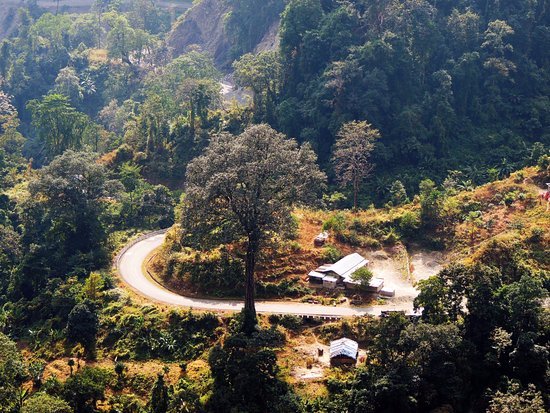
- By road from Shillong: Cherrapunji (Sohra) is about 54 km from Shillong and the drive takes around 2–2.5 hours depending on weather and traffic. The route is scenic but involves hilly roads and hairpin bends.
- Private car or taxi: Hiring a car or cab for a day trip offers flexibility to stop at viewpoints and attractions en route such as Elephant Falls, Mawsmai Cave and Nohkalikai Falls.
- Shared cabs and buses: Budget-friendly options are available from Shillong to Cherrapunji. Shared vehicles reduce cost but have fixed stops and timings.
- Nearest major rail/air links: The closest major railway station is Guwahati in Assam (approx. 120–150 km depending on route), with Guwahati Airport offering domestic flight connections. From Guwahati, you can hire a car or take a bus to Shillong and onward to Cherrapunji.
Suggested itinerary: one-day and two-day plans
One-day trip (ideal if based in Shillong)
- Early morning departure from Shillong.
- Stop at viewpoints to view the Seven Sisters and other waterfalls.
- Visit Nohkalikai Falls and Mawsmai Cave.
- Lunch in Cherrapunji followed by a return to Shillong by evening.
Two-day relaxed plan
- Day 1: Drive to Cherrapunji, check into accommodation, sunset viewpoint visit near Seven Sisters.
- Day 2: Morning trek to local viewpoints, visit Mawsmai Cave and Dawki if you extend towards the Bangladesh border, and return via Shillong.
Packing checklist: clothes, gear and essentials
Weather in the Khasi Hills can be changeable. Pack smartly to stay comfortable and safe.
- Clothing: Lightweight waterproof jacket, quick-dry shirts and trousers, warm fleece or sweater for evenings, comfortable walking shoes with good grip, extra socks.
- Accessories: Umbrella, rain poncho, sunhat, sunglasses and a small daypack for hikes.
- Gadgets: Phone with offline maps, power bank, camera with extra batteries or memory cards.
- Health and hygiene: Basic first-aid kit, prescription medicines, insect repellent, hand sanitiser, tissues and water purification tablets (if you expect to use local water).
- Documents: ID proof, hotel booking confirmations, emergency contact list, travel insurance documents.
Accommodation choices and booking tips
Cherrapunji and nearby Sohra offer a range of options from guesthouses and homestays to comfortable hotels.
- Book in advance during peak season (post-monsoon and winter) to secure preferred locations and reasonable rates.
- Consider homestays for a local experience; hosts often share insider tips and can arrange local guides.
- Check for basic amenities like hot water, heating (in winter), and parking if you’re driving. In remote stays, expect modest facilities and embrace the simplicity.
Food, water and local dining tips
Meghalaya’s cuisine is simple, hearty and often uses local ingredients like bamboo shoots, rice, fish and pork. While travelling:
- Try local dishes at reputable eateries or homestays, but avoid street food if you have a sensitive stomach.
- Carry snacks and water for long drives or viewpoint stops — shops may not be available at every stop.
- Prefer bottled water or filtered water from trusted sources. If unsure, use a portable purifier or water purification tablets.
Safety, health and emergency tips
Hilly travel requires a bit more preparation than city trips.
- Drive cautiously on winding roads; hire experienced local drivers if you are unfamiliar with mountain driving.
- Be aware of landslides during heavy rains — check weather forecasts and local advisories before travel.
- Keep a basic first-aid kit and any required medicines handy. Know the location of the nearest health centre or hospital in Cherrapunji and Shillong.
- Carry sufficient cash in smaller denominations; digital payments are available in town but may be limited in remote areas.
Responsible and sustainable travel tips
Help keep the Seven Sisters and Meghalaya pristine for future visitors and local communities.
- Do not litter — use designated bins or carry your waste back to town. Plastic pollution harms fragile ecosystems.
- Stay on marked paths and viewpoints to protect vegetation and prevent erosion.
- Respect local customs and ask permission before photographing people or private properties.
- Support local businesses: hire local guides, eat at community-run eateries, and buy handicrafts from local artisans.
Photography tips
Capture the falls at their best with a few simple techniques.
- Golden hour (early morning and late afternoon) brings soft light and dramatic colours; plan viewpoint visits accordingly.
- Use a polarising filter to reduce glare and enhance water and foliage tones.
- For silky water effects, use a tripod and a longer exposure (requires neutral density filter in bright conditions).
- Respect signs and barriers — don’t venture onto risky ledges for a shot.
Local experiences and nearby attractions
Combine the visit to Seven Sisters with other attractions in the area for a richer trip.
- Nohkalikai Falls — one of India’s tallest plunge waterfalls with a dramatic viewpoint.
- Mawsmai Cave — an accessible limestone cave near Cherrapunji with easy walks inside.
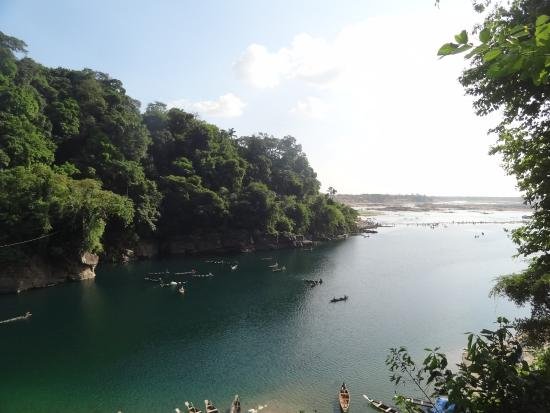
- Dawki and Umngot River — known for clear waters and boating (a longer day trip from Cherrapunji).
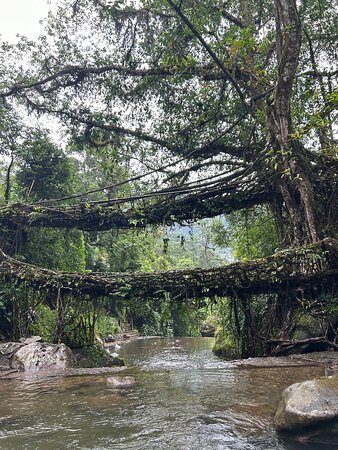
- Local villages and living root bridges (in nearby areas) — for cultural and natural heritage experiences.
Common FAQs
Is a guide necessary? For simple viewpoint visits, a guide is not mandatory. For treks or village visits, a local guide is valuable for safety and cultural context.
Are the falls accessible for seniors or children? Viewpoints are accessible by road and suitable for most travellers, but uneven terrain at closer approaches may be a challenge for those with mobility issues.
Can you swim near the Seven Sisters? Swimming is not recommended near the main viewpoints — currents and unseen hazards can be dangerous.
Packing the last-minute checklist
- ID, tickets, hotel booking confirmations
- Cash, cards, and emergency contact numbers
- Rain jacket/poncho and umbrella
- Sturdy shoes and extra socks
- First-aid kit, personal medicines, insect repellent
- Phone, camera, power bank, chargers
With the right planning, visiting the Seven Sisters waterfalls can be a peaceful, memorable experience. Keep this checklist handy while you prepare, and allow time to soak in the misty views and local hospitality. Meghalaya rewards travellers who arrive with curiosity, respect and a flexible spirit.
Conclusion: A stress-free trip to the Seven Sisters is all about preparation — choose the right season, pack wisely, respect local customs, and prioritise safety. With these steps in place, you’ll be free to enjoy one of India’s most photogenic and tranquil waterfall landscapes.