How to Reach Majuli Island from Guwahati and Jorhat
Practical, step-by-step guidance to reach Majuli — the river island in Assam — from Guwahati and Jorhat by road, rail, air and ferry, plus seasonal tips, ferry options and local travel advice.
By TravMe Holidays travel team · · 7 min read
Majuli, the largest river island in the world and a cultural heartland of Assam, is an evocative stop on any Northeastern India itinerary. Reaching Majuli requires a little planning because the island sits in the mighty Brahmaputra and is accessible only by boat. This guide explains every practical route from Guwahati and Jorhat, with clear options for different budgets and time constraints, plus tips to make your journey smoother.
Quick overview: Your travel options at a glance
There are three parts to getting to Majuli: getting to upper Assam (usually Jorhat), then to the river ghats that serve Majuli, and finally taking a ferry or boat across. From Guwahati you can choose to travel by road, rail or air to Jorhat (or nearby towns), and from Jorhat the common entry point to Majuli is the Nimati (Nimatighat)–Kamalabari/ Majuli ferry crossing. Each combination suits a different kind of traveller — fastest, most comfortable, or most budget-friendly.
From Guwahati to Majuli: main routes
Guwahati is the usual gateway for travellers arriving in Assam. To reach Majuli from Guwahati you have three main choices:
1. By road (car, taxi or bus) to Jorhat, then ferry
Drive or take a bus from Guwahati to Jorhat or the Nimati Ghat area. Private cars and hired taxis offer the most flexibility — you can stop along the way in tea gardens, at scenic viewpoints or at local towns.
- Comfort/Private taxi: Door-to-door convenience and flexible timings; useful if you have luggage or are travelling in a group.
- State/private buses: More affordable, with regular services to Jorhat or nearby towns. Night buses are an option if you want to save a day.
Once you reach the riverbank at Nimati or Kamalabari, you will board a ferry to Majuli. Note that road travel covers long distances across Assam plains — plan for possible delays and check the season, because monsoon-related traffic or road repairs can slow progress.
2. By train to Jorhat/Furkating, then local transfer to the ferry
There are rail options from Guwahati to stations such as Jorhat Town or Furkating (a common junction near Jorhat). Trains are a comfortable, economical alternative and allow you to enjoy Assam’s landscapes at a relaxed pace.
- From your rail arrival point, hire a local taxi or take shared transport to Nimati Ghat (the river ferry point).
- Trains can be a great option if you prefer overnight travel and want to save on accommodation for a night.
3. By air to Jorhat (Rowriah Airport), then transfer and ferry
The fastest way to reach upper Assam is by flying from Guwahati to Jorhat’s Rowriah Airport. Domestic flights reduce travel time significantly and are useful if you are short on days.
From the airport, take a taxi to the Nimati Ghat ferry jetty. Flights and onward transfers are the most comfortable option, especially during peak travel seasons.
From Jorhat to Majuli: the final leg
Jorhat is the principal staging point for Majuli. The common sequence is: reach Jorhat → proceed to Nimati/Nimatighat → take a ferry to Majuli (Kamalabari/other ghats) → land and travel within Majuli by local transport.
Key ghats and ferry points
- Nimati/Nimatighat: The most commonly used ferry point for travellers coming from Jorhat. It connects to Kamalabari and other landing points on Majuli.
- Kamalabari: A major landing on Majuli, close to several satras (Vaishnavite monasteries) and villages that are popular with visitors.
- Other local ghats: Depending on season and service availability, ferries may land at different points across the island. Ask locally for the best landing depending on where you plan to stay.
Types of watercraft
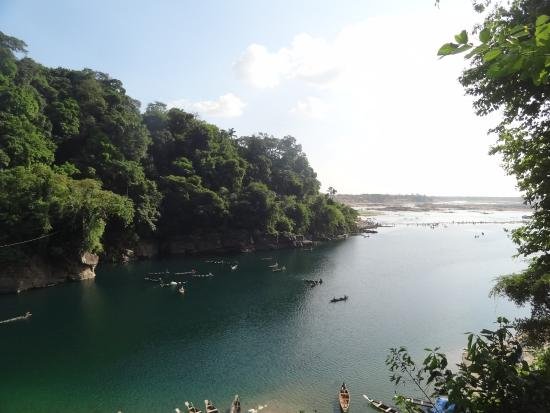
You will find a range of vessels operating across the Brahmaputra to Majuli:
- Government ferries: Regular services that carry passengers and sometimes vehicles. They are usually the most economical.
- Private motorboats: Faster and more flexible, they run frequently but can be affected by river conditions; they are often preferred by independent travellers.
- Large ferries for vehicles: If you have a private vehicle, check in advance for vehicle ferry schedules and capacity.
Practical itineraries
Here are suggested itineraries to suit different traveller priorities.
Fastest/Most comfortable (best for short trips)
- Fly Guwahati → Jorhat, arrive morning.
- Taxi from Rowriah Airport to Nimati Ghat.
- Take a scheduled ferry or hire a private boat to Kamalabari.
- Transfer to your guesthouse in Majuli.
Budget-minded (best for longer stays)
- Overnight train or bus from Guwahati to Jorhat/Furkating.
- Use local shared vehicles or buses to reach Nimati Ghat.
- Board a government ferry to Majuli.
Scenic/Slow travel (enjoy the landscape)
- Drive from Guwahati, stopping at tea gardens, Sivasagar (historical sites) or local markets.
- Arrive at Nimati Ghat; cross to Majuli in daylight to enjoy river views.
- Explore satras, potter villages, reed beds and riverside walks over a few days.
Timing, seasons and ferry schedules
Majuli is best visited in the cooler, drier months from October to April. During monsoon and peak river-flow periods, ferry services can be disrupted for safety reasons, and the island’s shape changes with shifting sandbanks — this sometimes affects landing points and timings. Always:
- Check ferry schedules a day ahead with your guesthouse or at the ghat.
- Allow buffer time for river delays when planning onward travel.
Local transport on Majuli
Majuli is traversed by small roads and tracks; most visitors explore by bicycle, motorbike or hired local vehicles. Walking between nearby villages and satras is enjoyable. If you arrive at a different ghat than expected, local transport options and village boats can help you reach your accommodation.
Essential travel tips and safety
- Carry ID: Keep a government ID handy — ferries may request formal identification.
- Cash: ATMs are limited on the island; carry enough cash for accommodation and local purchases.
- Luggage: Travel light if you plan to use smaller boats — space can be limited.
- Weather gear: Pack for sun and occasional rain; waterproof bags for electronics are recommended during river crossings.
- Monsoon caution: Ferry operations depend on river conditions. During heavy rains or strong currents, crossings can be delayed or cancelled — check with locals/hotel staff and build extra time into your plans.
- Respect local culture: Majuli is a living cultural landscape with active satras and traditional communities. Dress modestly when visiting satras and ask before photographing people.
Tip: Book your accommodation in advance during peak seasons and major festivals (especially the Raas and other satra-related events) — Majuli’s guesthouses fill quickly.
Where to stay and what to see once you arrive
Plan a stay of at least two to three days to experience Majuli properly. Highlights include the Vaishnavite satras such as Auniati and Dakhinpat, traditional mask-making and pottery villages, birdwatching in reedlands, and community homestays where you can learn about local cuisine and crafts. Your guesthouse or satra visit can also help arrange guided walks and boat trips to more remote parts of the island.
Common questions
Do I need special permits to visit Majuli?
No special permits are required for most travellers. Indian nationals should carry a valid government ID; foreign nationals should carry passports and visa documentation as per usual travel regulations.
Can I take my car to Majuli?
Vehicle ferries operate at certain ghats, but capacity and schedules vary. If bringing a car, confirm vehicle ferry availability and book in advance where possible. Many visitors prefer to leave vehicles on the mainland and use local transport on the island.
Final checklist before you start
- Confirm ferry times and keep local phone numbers for ghats or your guesthouse.
- Pack sun protection, insect repellent and a small first-aid kit.
- Carry sufficient cash and photocopies of ID/passport.
- Plan flexible time for river delays and a relaxed itinerary to enjoy Majuli’s slow pace.
With simple planning, the journey to Majuli is part of the island’s charm. Whether you prioritise speed with a flight and quick ferry, or choose a scenic drive and an unhurried exploration of riverine Assam, Majuli rewards travellers with warm village hospitality, living traditions and quiet, wide river vistas. Safe travels — and do leave room in your schedule to linger by the Brahmaputra at sunset.
Conclusion: Reaching Majuli from Guwahati or Jorhat is straightforward once you know the steps: get to Jorhat (by road, rail or air), proceed to Nimati/Nimatighat, and take a ferry to the island. Plan for seasonal changes, check schedules locally, and allow time to soak up Majuli’s unique cultural landscape.