Where to Stay in Thimphu: Best Areas for Every Kind of Traveller
A practical guide to choosing where to stay in Thimphu, Bhutan — neighbourhoods, traveller-specific recommendations, transport tips and local etiquette to help you pick the perfect base for your visit.
By TravMe Holidays travel team · · Updated · 6 min read
Thimphu, Bhutan’s capital, is a compact city where traditional architecture sits alongside small shops and tea houses. Choosing the right area to stay can shape your experience — from easy access to landmarks and festivals to peaceful woodland retreats just beyond the city limits. This guide unpacks the best neighbourhoods for different traveller types, plus practical tips on getting around, booking, and local etiquette.
What to consider when choosing where to stay
Before narrowing down an area, consider these practical factors:
- Purpose of visit: Sightseeing, festivals, relaxation, or trekking — each suggests a different base.
- Proximity to attractions: If you want to explore easily on foot, central Thimphu around Clock Tower Square and Norzin Lam is ideal.
- Noise and atmosphere: The city centre buzzes; northern suburbs and valleys are quieter.
- Transport needs: Taxis are available but limited at odd hours; consider walking distance to bus stops or tour pickup points.
- Budget and accommodation style: Options range from homestays and guesthouses to boutique lodges and luxury hotels.
Best neighbourhoods explained
Clock Tower Square & Norzin Lam (City Centre)
Clock Tower Square is Thimphu’s heart — a lively intersection surrounded by shops, cafés and government offices. Norzin Lam, the main thoroughfare, is lined with eateries and handicraft stores. Staying here is perfect for first-time visitors who want immediate access to major sights such as Tashichho Dzong, the Folk Heritage Museum and the weekend craft market.
Pros:
- Walkable to many attractions
- Wide range of hotels, guesthouses and eateries
- Lively atmosphere and convenient services
Cons:
- Can be noisy, especially during peak hours and festivals
- Less green space compared with suburban areas
Motithang
Motithang sits uphill from the city centre and is a good middle ground — quieter than the core but still close to key sites. It is also adjacent to the Motithang Takin Preserve and offers leafy streets and larger hotel properties. This area suits travellers who want tranquillity without long commutes.
Pros:
- Peaceful, green environment
- Short taxi rides to central attractions
- Family-friendly hotels with gardens
Cons:
- Fewer shops and cafés within walking distance
Dechencholing, Semtokha and Royal Environs
Areas near Dechencholing Palace and Semtokha are quieter, more formal and closer to important government and royal sites. Accommodation here tends to be more private — boutique properties and select high-end hotels. If you prefer a calm, refined stay and don’t need to be in the thick of the city, consider this zone.
Pros:
- Very peaceful and secure
- Access to cultural sites and landscaped grounds
Cons:
- Distance from nightlife and most shops
Babesa, Yangchenphug & Northern Suburbs
These eastern and northeastern suburbs are more residential and less tourist-oriented. You’ll find homestays, modest guesthouses and budget hotels, plus easier access to the Thimphu valley’s greener fringes. Ideal for travellers on a budget or those who prefer the authenticity of neighbourhood life.
Pros:
- Good value for money
- Nearby local eateries and grocery shops
- Closer to walking trails and rural landscapes
Cons:
- Fewer tourist conveniences and English-speaking staff in some places
Outskirts and Valley Homestays
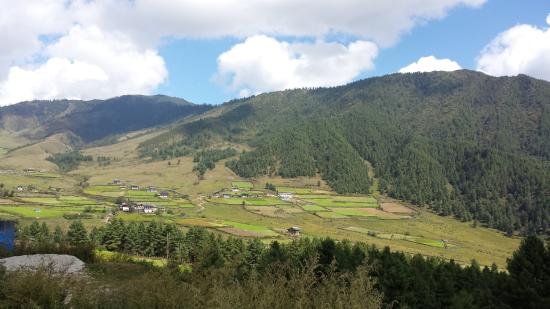
If your ideal stay includes nature, consider homestays or lodges on the outskirts of Thimphu or in nearby valleys. These options offer peaceful mornings, local cuisine and opportunities to observe rural Bhutanese life. They work well as bases for day trips to the city while giving you a restorative escape each evening.
Pros:
- Authentic rural experience and contact with local families
- Great for birdwatching and short hikes
Cons:
- Requires transport arrangements into town
Where to stay by traveller type
First-time visitors
Stay in or around Clock Tower Square / Norzin Lam. You’ll be within walking distance of the main attractions and services, which makes sightseeing less stressful on a short itinerary.
Couples & honeymooners
Choose a boutique hotel or a quiet lodge in Motithang or near the royal areas for privacy, scenic views and refined dining options.
Families
Look for family-friendly hotels in Motithang or close to the main road that offer larger rooms, on-site dining and easy access to parks and cultural sites.
Budget travellers & backpackers
Guesthouses and homestays in Babesa, Yangchenphug and the northern suburbs provide the best value. Expect simple comforts and opportunities to meet local hosts.
Solo travellers
Central Thimphu is safest and most convenient for solo travellers because of easy access to cafes, tour desks and taxi stands. Homestays can also be very welcoming for solo visitors who want local company.
Nature lovers & walkers
Choose a stay on the outskirts or near Motithang for quick access to forested walking paths, viewpoints and the Takin Preserve.
Practical tips for booking and staying
- Book in advance for festival season: Thimphu Tshechu and other major festivals draw crowds — accommodation fills quickly.
- Confirm transport: If you’re staying outside the centre, verify whether your hotel provides airport or city pickup, as taxis can be scarce at times.
- Look for authentic stays: Homestays are a great way to learn about Bhutanese customs and cuisine — ask about meals and house etiquette before you book.
- Respect dress codes: Visit dzongs, temples and formal sites in modest clothing; shoulders and knees covered is a safe rule.
- Cash and connectivity: ATMs are available but not ubiquitous; carry some local currency for small purchases. Many hotels offer Wi-Fi, but connectivity can be patchy in remote homestays.
Tip: If you plan day trips from Thimphu — to Paro, Punakha or nearby trekking trails — staying centrally saves travel time and gives you more flexibility with tour pickup times.
Getting around from your base
Thimphu is compact, and many attractions are within easy reach. Here’s how to navigate the city depending on where you stay:
- On foot: Central neighbourhoods are highly walkable and pleasant for short strolls.
- Taxis: Readily available in the city centre; negotiate or agree on fares upfront for longer rides.
- Hotel/tour transfers: Many hotels arrange day trips and airport transfers — useful for guests staying outside the centre.
- Local buses: Limited but useful for budget travellers; check schedules locally as they can change.
Safety, etiquette and final considerations
Thimphu is considered very safe for travellers, with low crime rates and friendly locals. Still, basic precautions like secure storage for valuables and sensible night-time travel apply. Respect local customs: ask before photographing people in rural areas, remove shoes when entering religious buildings, and accept hospitality with gratitude.
Conclusion
Where you stay in Thimphu should reflect what you want from your trip. For first-timers and those who like to be in the thick of things, Clock Tower Square and Norzin Lam are convenient and lively. Motithang offers tranquility and green surroundings without being far from attractions. For authenticity and budget options, the suburbs and homestays are hard to beat. Whichever area you choose, Thimphu’s compact size makes day trips easy, and its warm hospitality ensures a comfortable stay.