What to Pack for Bhutan in Winter: A Warm Layers Checklist
A practical, India-friendly guide to packing for a winter trip to Bhutan: essential layers, cold-weather gear, footwear, documents, and smart tips to stay warm and respectful at high altitudes.
By TravMe Holidays travel team · · 6 min read
Winter in Bhutan ranges from chilly valley mornings to biting cold evenings, with higher elevations offering snow and sub-zero temperatures. Packing well will keep you comfortable, let you enjoy outdoor treks and festivals, and show respect for local customs. This checklist focuses on layering, versatile pieces, and essential accessories to suit Bhutan’s varied winter conditions.
Understand Bhutan’s winter climate and travel zones
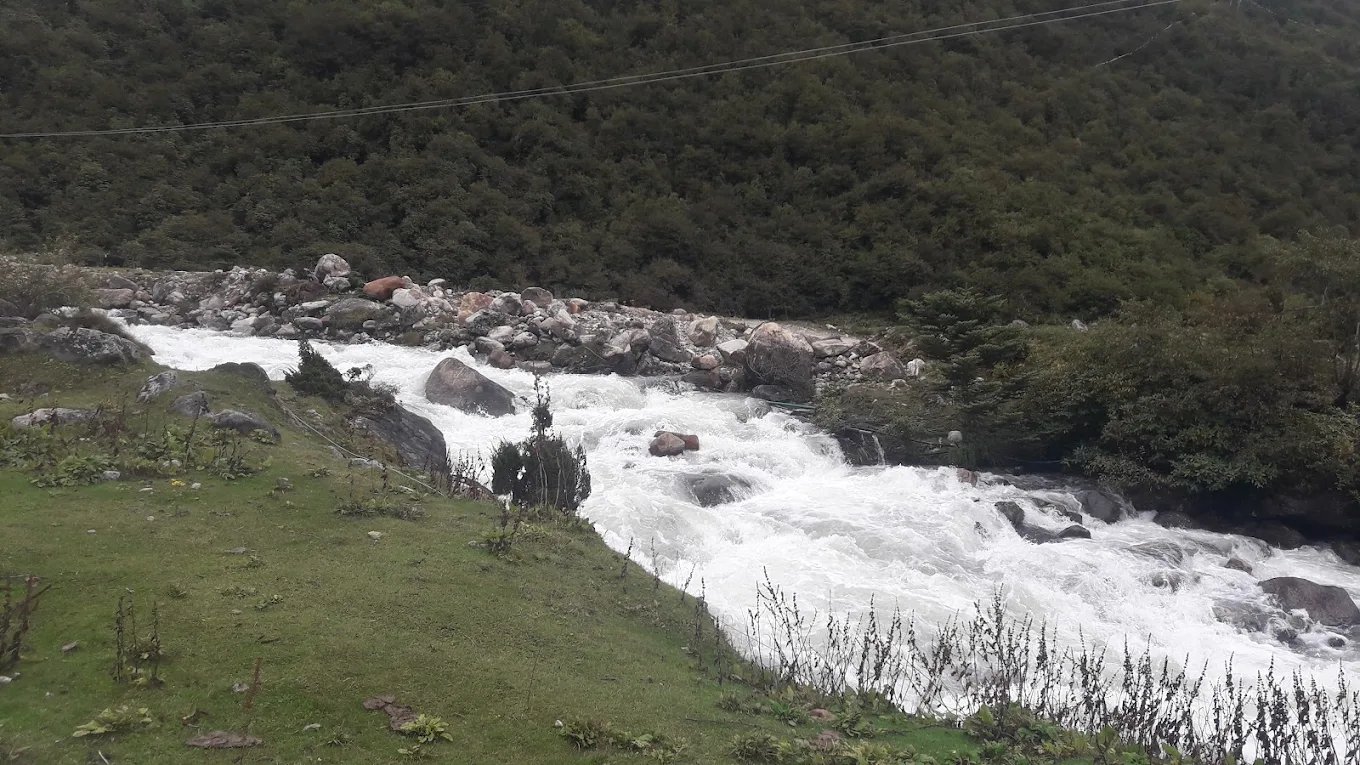
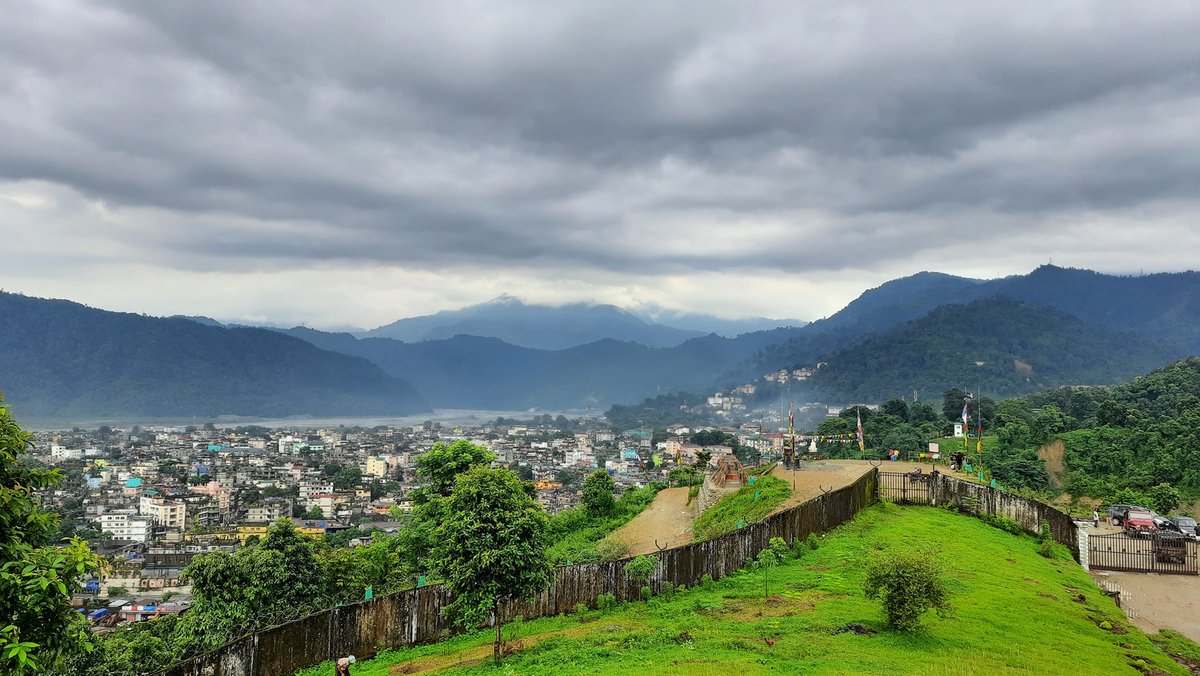
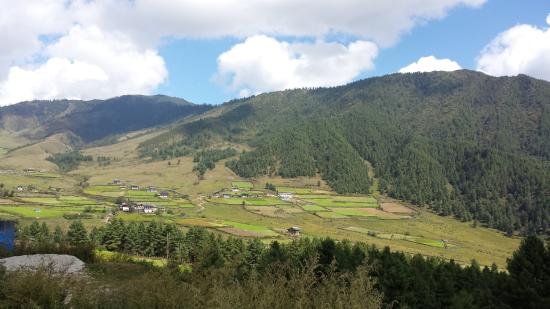
Bhutan’s climate varies dramatically with altitude. The lower valleys (Thimphu, Paro, Punakha) are cold but fairly dry in winter, often sunny during the day and frosty at night. Higher passes and trekking areas (Dochu La, Phobjikha, Bumthang, Laya) can be snowy, windy and much colder. Temperatures may drop below freezing at night and wind chill can make it feel several degrees colder. Plan layers accordingly and allow for sudden weather changes.
Layering system: the key to warmth and flexibility
Use the three-layer principle: base, insulating, and outer layers. This system helps regulate body temperature as you move between heated interiors, cold streets and higher altitudes.
1. Base layer (next-to-skin)
- Thermal tops and bottoms in merino wool or moisture-wicking synthetic fabric — 1–2 sets depending on trip length.
- Avoid cotton for base layers; it retains moisture and chills you quickly.
2. Mid layer (insulation)
- Fleece jacket or wool sweater — lightweight to midweight depending on your cold tolerance.
- Down or synthetic insulated jacket for extra warmth; packable models are ideal for travel.
3. Outer layer (shell)
- Waterproof, windproof shell jacket with a hood — breathable membranes help if you’re active.
- Waterproof trousers if you plan to spend long hours outdoors or expect wet snow.
Essential clothing items
- Warm jacket: A good down jacket (or synthetic equivalent) is indispensable for evenings and high-altitude visits.
- Warm trousers: Comfortable travel pants plus one insulated pair or thermal leggings for cold days.
- Shirts: Long-sleeve thermal or merino tops; a few casual shirts for city days and cultural visits.
- Traditional wear: If attending a festival or visiting dzongs, women may choose modest skirts or dresses; men often wear long trousers. The Bhutanese traditional dress (gho and kira) is not required but a modest dress code is expected.
- Socks: Several pairs of wool or thermal socks; include thin liner socks if you plan intense hiking to prevent blisters.
- Underwear and sleepwear: Warm, comfortable sleepwear and sufficient undergarments for your trip length.
Footwear: comfort and grip matter
Your choice depends on activities. For city walks and short hikes, sturdy hiking shoes or insulated walking boots with good grip are recommended; they handle uneven pavements and occasional snow. If you plan longer treks, bring well-broken-in hiking boots and gaiters. Also pack a pair of warm, casual shoes or slippers for hotels.
Accessories that make a big difference
- Warm hat: Wool or fleece beanie that covers ears.
- Gloves: Layer with thin liner gloves and insulated outer gloves; waterproof if possible.
- Neck gaiter or scarf: Protects against wind and can be pulled over face in dusty or snowy conditions.
- Sunglasses: UV protection is important at altitude and when snow increases glare.
- Balaclava/face mask: Useful on cold, windy passes.
- Thermal insoles: Optional but helpful for extra warmth in boots.
Travel gear and daypack essentials
- Daypack (20–30L): Comfortable, with waist strap — carry water, snacks, camera, extra layers and permits.
- Reusable water bottle: Stay hydrated; consider an insulated bottle to avoid freezing liquids.
- Water purification: Tablets or filter if you’ll refill from natural sources during treks.
- Headlamp/torch: For early starts, power cuts or evening strolls in smaller towns.
- Travel umbrella: Handy for unexpected weather, though heavy snow will require a sturdier solution.
Electronics and travel documents
- Camera and accessories: Extra batteries (cold drains battery faster), memory cards and protective case.
- Chargers and adapters: Bhutan uses Type D/G sockets in many places — carry an appropriate universal adapter and a power bank.
- Phone with offline maps: Good for navigation where mobile signal is patchy.
- Important documents: Passport with Bhutan visa and entry permit, photocopies, travel insurance (covering high-altitude activities), vaccination records if required.
- Cash: Carry some local currency (Ngultrum) for small purchases; credit card acceptance is limited outside major hotels.
Health, safety and personal care
Winter travel in Bhutan is generally safe, but cold and altitude-related issues can occur. Prepare accordingly.
- Basic medicines: Personal prescriptions, altitude sickness medication if advised by your doctor, painkillers and remedies for common ailments.
- First-aid kit: Blister plasters, antiseptic wipes, bandages and any regular medication.
- Skin care: High-SPF sunscreen (sun is strong at altitude), lip balm with SPF and moisturiser to combat dry winter air.
- Hydration and nutrition: Electrolyte powders and energy snacks for hikes.
Packing tips for long-term comfort
- Compression packing cubes: Save space and keep outfits organised.
- Roll clothing: Rolling reduces wrinkles and maximises space.
- Layer in your daypack: Keep a lightweight down jacket and gloves handy — temperatures can change within minutes.
- Laundry options: Many hotels offer laundry services; quick-dry fabrics are useful if you plan to wash layers yourself.
Cultural considerations and respectful dressing
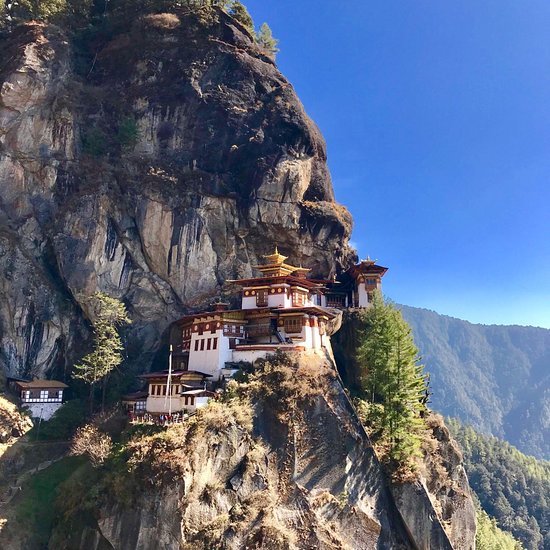
Bhutanese culture values modesty and respect, especially in religious sites. Dress modestly — knees and shoulders covered — and remove hats in dzongs and temples. Bright, flashy clothing is fine for general use, but be mindful during festival visits and when photographing people; always ask permission.
Tip: When visiting monasteries, carry a lightweight scarf or shawl to cover shoulders or as an impromptu wrap during ceremonies. It’s practical and respectful.
What to leave at home
- Excessive jewellery or valuables — avoid theft risk and unnecessary worry.
- Too many heavy items — Bhutan’s internal flights and mountain roads mean luggage weight can matter.
- Novelty clothing you won’t re-wear; opt for versatile pieces that mix and match.
Sample packing checklist (condensed)
- Base layers: 1–2 thermal tops & bottoms
- Mid layers: fleece and/or wool sweater
- Insulated jacket: down or synthetic
- Waterproof shell jacket and trousers
- Pants: 1–2 pairs travel/hiking trousers, thermal leggings
- Footwear: hiking boots, casual shoes, slippers
- Socks: wool/thermal + liners
- Hat, gloves (liner + insulated), neck gaiter/scarf
- Daypack, water bottle, headlamp, power bank
- Camera, chargers, adapters, spare batteries
- Travel documents, insurance, cash
- First-aid kit, medicines, sunscreen, lip balm
Final practical tips for winter travel in Bhutan
- Acclimatise: Spend your first day at lower altitude if you plan to visit higher passes later.
- Start early: Clear winter mornings are ideal for photography and sightseeing; afternoons can get cloudy or snowy.
- Plan for shorter daylight hours: Carry a reliable torch and plan drives with daylight in mind.
- Respect local customs: Dress conservatively in religious sites and follow guidance from guides and locals.
With thoughtful layering and a compact, practical wardrobe, winter in Bhutan can be both magical and comfortable. Pack for flexibility, protect yourself from the dry cold and bright sun, and you’ll be set to enjoy monasteries, mountain vistas and warm Bhutanese hospitality without shivering.