Bhutan Packing List for Every Season
A complete, season-by-season packing guide for Bhutan covering clothing, trekking gear, electronics, documents and cultural tips so you’re prepared for valleys, high passes and dzongs year-round.
By TravMe Holidays travel team · · 6 min read
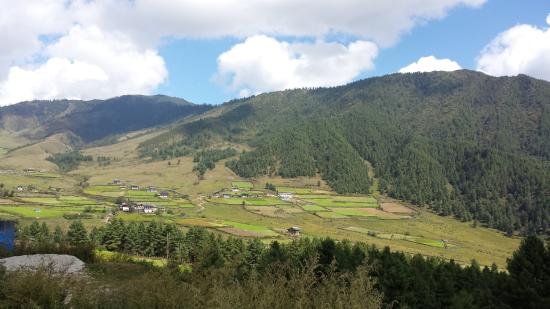
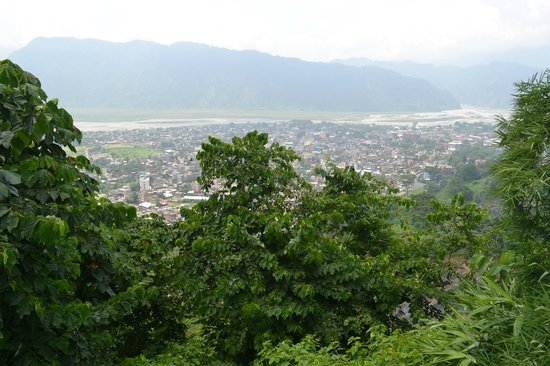
Bhutan’s compact landscapes hide great variety: subtropical plains, cool river valleys and alpine highlands. Packing smart for Bhutan means preparing for sudden weather shifts, respecting local customs and carrying the right gear for dzong visits, short hikes or multi-day treks. This guide breaks down what to bring for every season and every kind of traveller.
Before you pack: practical reminders
Start with the basics: check the season, the altitude of the places you will visit, and the length of your stay. Bhutan’s weather changes quickly with altitude — what’s comfortable in Thimphu may be freezing at Dochula Pass or near the highland treks. Pack light but layered; choose versatile items that can be mixed and matched. Always leave a little space for souvenirs and local purchases such as yak-wool scarves or handwoven textiles.
Travel documents and money
- Passport and visa documents: Carry your passport, visa confirmation (if applicable), and a printed copy of your travel itinerary and accommodation vouchers. Keep scanned copies on your phone and cloud storage.
- Travel insurance: Ensure it covers medical evacuation and high-altitude trekking if you plan to hike above 3,000–4,000 metres.
- Emergency contacts: A printed list of emergency numbers, embassy contacts, your tour operator and accommodation details.
- Cash and cards: Carry some Bhutanese ngultrum (BTN) or Indian rupees for small purchases. Credit cards are accepted in larger towns but not everywhere. Notify your bank about travel plans.
Clothing — layering is key
Think modular: base layer, insulating layer, and a shell. Fabrics that wick moisture and dry quickly are best. Wool and synthetic materials beat cotton in cooler or wet conditions.
- Base layers: Lightweight long-sleeve and short-sleeve shirts, plus thermal underwear for colder months or high-altitude treks.
- Insulating layer: Fleece or down jacket. A packable down jacket is invaluable in late autumn, winter and at higher elevations.
- Outer layer: Waterproof, breathable jacket and overtrousers for rain and wind protection.
- Trousers: Quick-dry trekking pants and one pair of smarter trousers or a long skirt for dzong visits or formal meals.
- Smart/cultural wear: Men should carry a collared shirt and neat trousers; women a modest dress or skirt. Shoulders and knees should be covered at religious sites.
- Accessories: Warm hat, sun hat, gloves, scarf. A light buff or neck gaiter is handy for dust and chill.
Season-by-season packing checklist
Spring (March–May)
Spring is fragrant and colourful, with moderate temperatures in valleys but chilly nights higher up.
- Light layers, including a light fleece for mornings and evenings.
- Waterproof jacket for occasional showers.
- Comfortable walking shoes for town walks and short hikes; trekking boots if you plan higher trails.
- Sun protection: sunglasses, sunscreen (high SPF) and a sunhat.
Summer / Monsoon (June–August)
Monsoon brings heavy rain to lower elevations and lush green scenery. Landslides can disrupt travel — pack with flexibility.
- Light, quick-dry clothing and a reliable waterproof shell.
- Strong rain poncho and waterproof covers for luggage and daypacks.
- Anti-mosquito repellent and a mosquito net if you’re staying in low-lying areas.
- Waterproof footwear or sandals with good grip; avoid leather shoes that can be ruined by persistent rain.
Autumn (September–November)
Clear skies and stable weather make autumn the most popular time to visit. Days are pleasant, nights crisp.
- Layered clothing: t-shirts and a warm jacket for evenings.
- Good trekking boots if you plan to hike; compression socks for long walks.
- Camera gear for spectacular Himalayan views — remember protection from dust and light drizzle.
Winter (December–February)
Winters are cold, especially in higher valleys and passes where snow is possible. Lower elevations remain milder but chilly at night.
- Warm down jacket, thermal underwear and woollen socks.
- Insulated gloves, warm hat and scarf.
- Consider crampons or microspikes if you expect icy paths on treks or mountain passes.
Footwear and trekking essentials
- Trekking boots: Waterproof, well-broken-in boots with good ankle support for longer hikes and higher altitudes.
- Approach shoes / sturdy sneakers: For comfortable walking in towns and short trails.
- Camp shoes / sandals: Light footwear for evenings or guesthouse stays.
- Daypack: 20–30 litre pack with rain cover for day trips; a larger pack if you’re on multi-day treks.
- Trekking poles: Helpful on steep descents and for knee support at altitude.
Health, medicines and personal care
- Basic medical kit: Band-aids, antiseptic, blister plasters, painkillers, rehydration salts and any personal medications.
- Altitude care: If you’re heading above 3,000 m, discuss altitude sickness prevention with your doctor and carry medicines if prescribed.
- Toiletries: Biodegradable soap, hand sanitiser, quick-dry towel, toothbrush and travel toothpaste.
- Female hygiene: Carry an adequate supply of menstrual products, as options can be limited in remote areas.
Electronics and travel gear
- Phone and charger: Power banks are essential for long days out. Check plug types; Bhutan uses type C and D sockets in many places.
- Camera: Extra batteries and memory cards. A lightweight tripod is useful for landscapes.
- Adapters and converters: A universal travel adapter is recommended; voltage is generally stable but check appliances.
- Headlamp / torch: Useful for power cuts in remote guesthouses.
Cultural considerations and respectful packing
Bhutan places great emphasis on tradition and etiquette. Packing items that help you show respect will enrich your experience.
- Modest clothing: Shoulders and knees should be covered in dzongs, temples and during festivals.
- Scarf or stole: Useful for covering shoulders and for gifting during formal introductions.
- Gifts: Small, practical gifts for homestays or guides are appreciated — local sweets, stationery or small items from India can be thoughtful.
Packing for families and seniors
- Comfort items: Familiar snacks, motion-sickness remedies for winding roads and comfort toys for children.
- Mobility aids: A light folding walking stick or collapsible cane can help older travellers manage uneven paths.
- Medical copies: Summary of any chronic conditions and medication lists for caregivers or guides.
Luggage tips and airline restrictions
Most regional flights within and to Bhutan have strict weight limits. Use soft-sided duffel bags where possible and carry essential items in a comfortable daypack. Keep medicines, documents and valuables in your carry-on. Use packing cubes to stay organised and reduce time spent rifling through bags.
Sustainable and minimalist packing
Bhutan values environmental stewardship. Pack reusable items to reduce plastic waste and choose locally made goods where possible.
- Reusable water bottle with filter or purification tablets for remote areas.
- Reusable shopping bag for markets and groceries.
- Eco-friendly toiletries and reef-safe sunscreen to protect mountain waterways.
Tip: Pack an empty foldable bag — it’s perfect for carrying purchases and keeps your main luggage lighter on the return journey.
Final checklist (quick scan)
- Passport, visa and travel insurance copies
- Layered clothing, waterproof jacket and warm insulating layer
- Trekking boots, comfortable shoes and daypack with rain cover
- Basic medical kit, altitude medication if needed
- Electronics, chargers and power bank
- Respectful outfits for dzongs and temples
- Reusable bottle, sunscreen and insect repellent
Conclusion
Packing for Bhutan is about balance: prepare for a range of temperatures and weather while respecting cultural norms and keeping your kit practical. Whether you’re visiting dzongs and festivals in the valleys or trekking to high passes, a thoughtful, layered wardrobe, waterproof protection and a small, well-stocked medical kit will set you up for a comfortable trip. Travel light, choose sustainable options and leave room for a handwoven memento — Bhutan is a place where what you carry on your shoulders matters as much as the attitude you bring to the journey.