Where to Stay in Shillong: Best Areas for Every Kind of Traveller
A practical guide to choosing where to stay in Shillong, covering neighbourhoods from Police Bazaar to Upper Shillong, with recommendations for couples, families, backpackers and nature lovers.
By TravMe Holidays travel team · · Updated · 7 min read
Shillong, the charming capital of Meghalaya and part of India’s Seven Sisters, offers a range of neighbourhoods that suit different travel styles. Choosing the right area can turn a good trip into a great one: whether you want cafés and nightlife, family-friendly parks, nature access or quiet homestays with views, Shillong has a base for you.
Quick orientation: Shillong’s layout and transport
Shillong sits on rolling hills about 10–20 kilometres from the plains. The city isn’t huge but is spread across ridges and valleys; roads wind and can be steep, so proximity matters more than straight-line distance. The main transport options are taxis (shared and private), app cabs in some areas, local buses and hired cars for day trips. Walking is pleasant in compact neighbourhoods like Police Bazaar and Laitumkhrah, but for Upper Shillong and sights like Shillong Peak you will usually need a vehicle.
Best areas by traveller type
1. Police Bazaar: Best for first-time visitors and those who want to be in the centre
Police Bazaar is the commercial heart of Shillong — lively, noisy and full of energy. It’s ideal if you want easy access to shops, markets, restaurants and tour operators. You’ll find bookshops, local handicrafts, street food stalls and several budget to mid-range hotels here.
- Why choose it: Central location, easy to find transport, good for last-minute shopping and nightlife.
- Who should stay: First-timers, solo travellers, travellers who like being in the hustle and bustle.
- Nearby attractions: Ward’s Lake, Don Bosco Museum, Police Bazaar market itself.
2. Laitumkhrah: Cafés, colleges and a youthful vibe
Laitumkhrah, east of Police Bazaar, is popular with students and young locals. The streets are dotted with cafés, bakeries and small boutique stores. It’s slightly quieter than Police Bazaar but still within easy reach of central Shillong.
- Why choose it: Great café culture, relaxed evening options, good mid-range hotels and guesthouses.
- Who should stay: Couples, young travellers, digital nomads who want a quieter base but still connected.
- Nearby attractions: Shillong Golf Course, some of the city’s liveliest cafés and bars.
3. Polo & the Golf Course area: Green, scenic and calm
The Polo area is known for its open green spaces — the Polo Grounds and Shillong Golf Course — and offers scenic views. This area is less congested and a short drive from Police Bazaar, making it a favourite for travellers who want tranquillity without being isolated.
- Why choose it: Green surroundings, peaceful walks, handy for relaxed stays and small family groups.
- Who should stay: Families, couples looking for a quieter romantic base, nature lovers who still want city access.
- Nearby attractions: Shillong Golf Course, Polo Grounds, nearby eateries and parks.
4. Upper Shillong (Lawmali, Mawroh): For views and a serene atmosphere
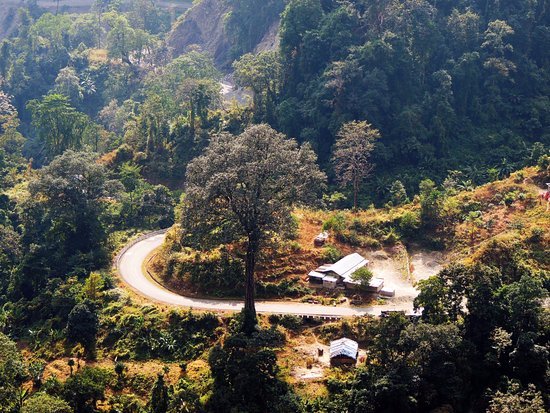
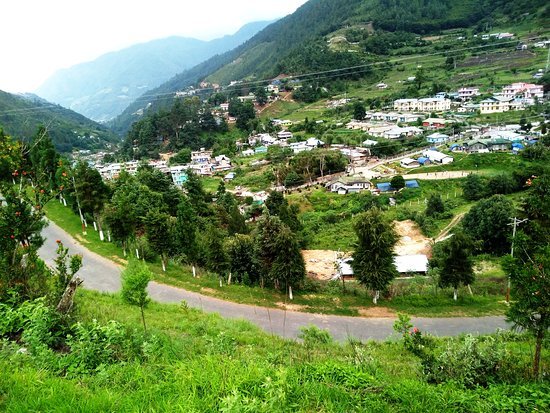
Upper Shillong occupies higher ground and tends to be cooler and quieter. Accommodation here often comes with better views over the hills, and you’re closer to nature attractions like Shillong Peak and Elephant Falls. Roads can be steeper, so expect a little extra time for transfers.
- Why choose it: Peaceful, scenic, great for sunrise/sunset views.
- Who should stay: Couples, photographers, travellers seeking a scenic retreat.
- Nearby attractions: Shillong Peak, Elephant Falls, Lady Hydari Park.
5. Mawlai & Mawphlang outskirts: Local life and homestays
Mawlai is a densely populated residential area with strong local character and a real-community feel. Moving further out, places like Mawphlang and nearby villages offer homestays and eco-stays that focus on local Khasi culture and forest walks. These are excellent if you want an immersive experience.
- Why choose it: Authentic local experience, homestays, proximity to sacred groves and rural walks.
- Who should stay: Culture-minded travellers, families wanting immersive stays, nature enthusiasts open to rustic comforts.
- Nearby attractions: Mawphlang Sacred Grove, village walks, local markets.
Specialised stays: Who needs what
Backpackers and budget travellers
Look for hostels, guesthouses and budget hotels in Police Bazaar and Laitumkhrah. These areas give good connectivity, shared transport options, and a lively social scene. Guesthouses and hostels often help arrange cheap day trips to Cherrapunjee (Sohra), Dawki and the living root bridges.
Couples and honeymooners
Couples often prefer the quieter lanes of Upper Shillong or boutique homestays near Polo and Laitumkhrah. Choose places with private balconies or garden views, and consider a property that can organise romantic experiences such as private walks, candlelit dinners or scenic drives to sunset spots.
Families
For families, choose accommodation with easy access to shops and medical facilities — Police Bazaar or the Polo area are practical. Pick hotels with family rooms, kid-friendly meals and easy transport for day trips to waterfalls and caves in the region.
Luxury travellers
Luxury options are fewer and more boutique in Shillong compared to big metro cities, but you will find refined hotels and upscale homestays that emphasise personalised service, local cuisine and hilltop views. These properties are often on the quieter slopes near Upper Shillong or in gated estates close to the Polo area.
Nature lovers and eco-travellers
If your priority is nature, book a homestay or eco-lodge outside the central city — Mawphlang and the road towards Cherrapunjee make excellent bases for forest walks and access to the living root bridges region. These stays often include guided nature walks and talks on Khasi culture and biodiversity.
Practical tips for choosing accommodation
- Consider altitude and mobility: Shillong’s hills mean steps and steep lanes; if you have mobility concerns, request a lower-level room or choose a hotel near road access.
- Check transport options: If you plan many day trips, ensure your hotel can arrange reliable taxis or has contacts for drivers. Shared taxis are handy but have limited routes and timings.
- Book early in peak season: Weekends, school holidays and festival times fill up quickly. Shillong hosts events and local festivals that attract visitors from across the region.
- Ask about heating: Nights can get chilly, especially in winter; check if blankets or heating options are provided.
- Food and dietary needs: Many homestays and small hotels serve local Khasi-style meals — if you have dietary restrictions, communicate them in advance.
- Local etiquette: Khasi households are warm and welcoming; a small gift for homestay hosts or polite conversation goes a long way.
Getting around and day trips from Shillong
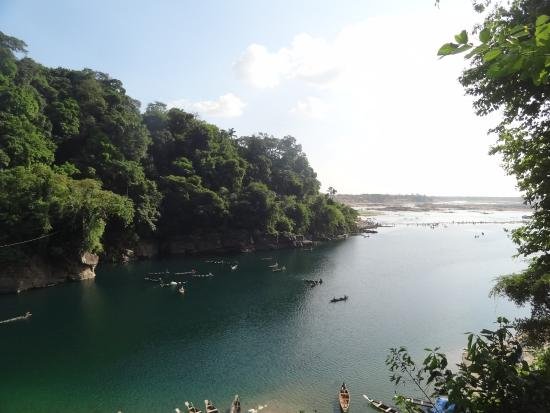
Shillong makes a convenient base for exploring Northeast favourites. Popular day trips include Cherrapunjee (Sohra) for waterfalls and caves, Dawki for the crystal-clear Umngot River, Mawphlang for sacred groves and nature walks, and Jowai or Nartiang for cultural insights. Hiring a car for a day or arranging a guided tour through your hotel is the easiest way to see these spots.
Safety and health
Shillong is generally safe for travellers. Standard precautions apply: secure your belongings, avoid poorly lit alleys at night and keep copies of important documents. If you’re heading into remote areas for treks or forest walks, inform your host or guide, carry water and wear sturdy shoes.
Tip: Mobile connectivity can be patchy in higher or remote areas. If you need continuous internet, check with your hotel or consider a local SIM with broader coverage.
How to choose based on your itinerary
If you plan to spend most of your time exploring the city’s museums, markets and cafés, pick Police Bazaar or Laitumkhrah. For nature-focused trips and day tours to Cherrapunjee and Dawki, choose a homestay near Mawphlang or a hotel in Upper Shillong to reduce early-morning travel time. Families who prefer convenience and a range of dining options will find the Polo and central Police Bazaar areas a practical middle ground.
Final checklist before you book
- Decide whether you prefer a central, lively base or a quiet, scenic retreat.
- Check transport availability from the hotel for day trips and airport/rail transfers.
- Read recent guest reviews focusing on cleanliness, hospitality and safety.
- Confirm cancellation and refund policies — mountain weather can sometimes affect travel plans.
- Ask about local experiences: many homestays offer cultural evenings, guided treks and home-cooked meals.
Choosing where to stay in Shillong is as much about the experiences you want as the comforts you need. Whether you wake up to city buzz, sip coffee in a cosy Laitumkhrah café, or fall asleep to mist rolling over the hills, Shillong rewards travellers who match their base to their priorities.
Conclusion: For first-timers and shoppers, Police Bazaar is unbeatable; Laitumkhrah brings cafés and calm; Polo and Upper Shillong offer green vistas and peaceful nights; and Mawlai/Mawphlang give authentic homestays and nature access. Pick the neighbourhood that fits your travel style, and Shillong will charm you with its warmth, music and landscapes.