Where to Stay in Phobjikha Valley for Crane Season and Quiet Nights
Phobjikha Valley (Gangtey) is Bhutan’s serene winter home to black-necked cranes. This guide helps you choose between luxury lodges, cosy homestays and eco-friendly guesthouses for crane season and tranquil nights.
By TravMe Holidays travel team · · Updated · 7 min read
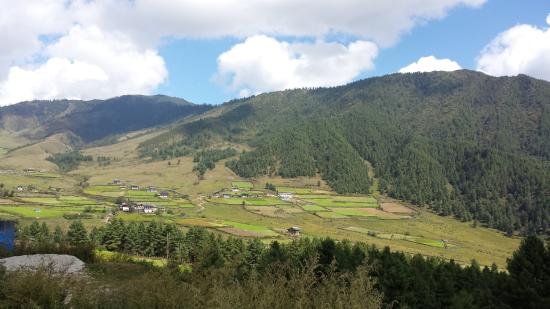
Phobjikha Valley — also called Gangtey — is one of Bhutan’s most peaceful highland valleys, famous for its wintering black-necked cranes and a timeless rural rhythm. Choosing where to stay here shapes your experience: do you want to be close to the Crane Centre and Gangtey Monastery, or prefer a quiet farmhouse tucked in rice fields? This guide lays out the best neighbourhoods, accommodation types, practical tips for crane season, and how to balance comfort with cultural sensitivity and conservation.
Why your choice of stay matters in Phobjikha
Phobjikha is not a typical tourist hub — it is a living agricultural valley with sensitive bird habitats and a strong monastic presence. The right accommodation will respect local rhythms, place you conveniently for crane-watching and village walks, and support community-based tourism. During crane season (generally the colder months), some places book out early and local regulations aim to minimise disturbance, so location and host approach matter.
Best neighbourhoods and villages to stay
Gangtey (near Gangtey Monastery)
Gangtey village clusters around the Gangtey Monastery (Gangtey Goenpa), perched on a ridge overlooking the valley. Staying here means easy access to the monastery's morning pujas, the community museum and panoramic viewpoints. It is also central for organised crane-spotting walks and short day trips to the valley floor.
Phobjikha village and the Crane Centre area
The Crane Information and Preservation Centre is the focal point for learning about the cranes and viewing them at sunrise and evening. Accommodation near the centre makes early starts simple and reduces travel time during cold weather. This area is less built-up and offers a closeness to the moorland where the cranes feed.
Rural homesteads and hamlets
For the quietest nights, look for farm stays and homestays in the smaller hamlets scattered across the valley. These give an authentic taste of Bhutanese rural life — simple wood-fired stoves, home-cooked meals and the chance to join locals for a walk through field terraces. Expect fewer facilities but more warmth and privacy.
Types of accommodation and who they suit
Luxury lodges and boutique hotels
Luxury properties in and around Phobjikha offer comfortable rooms, heated common areas, fine dining and curated activities such as guided photography tours and spa treatments. They suit travellers who want refined comforts after long drives and who appreciate knowledgeable staff arranging early-morning crane excursions.
Mid-range hotels and lodges
These are the most popular choice for travellers wanting a balance of comfort and local flavour. Expect warm rooms, hearty Bhutanese and international meals, and attentive guides. Mid-range lodges often have good local connections for arranging nature walks, village visits and short treks.
Family-run guesthouses and homestays
Family guesthouses are ideal for cultural immersion: hosts will prepare traditional dishes, share stories and sometimes show you farm activities. Rooms are cosy and personalised; bathrooms may be shared in some places. These work well for travellers seeking authentic encounters and quieter evenings.
Eco-lodges and community stays
Given Phobjikha’s ecological sensitivity, eco-friendly accommodation is a thoughtful choice. These properties prioritise low-impact construction, local materials, solar heating and community benefit. Staying here supports conservation efforts and sustainable livelihoods in the valley.
Top considerations for crane season stays
Book early and confirm transfers
Crane season attracts nature lovers and photographers, so rooms fill up quickly. Confirm transport from Paro or from your point of entry, because roads at higher altitudes can be slow in winter and daylight hours are shorter. Check that the lodge or guesthouse offers early breakfast or packed breakfasts for dawn crane watches.
Location relative to the Crane Centre
Early morning crane-viewing is best from the Crane Centre or designated observation areas. Staying within a short drive or walk of the centre reduces disturbance to the birds and minimises exposure to winter cold. Ask hosts about permitted viewing points and the best time windows to visit.
Heating and winter comforts
Winters can be chilly at Phobjikha’s altitude. Verify heating options — room heaters, electric blankets or traditional heating (bukhari) — and whether hot water is available throughout the day. Some rural stays use communal dining halls and wood stoves, which are cosy but different from urban hotels.
Crane-friendly behaviour
Local rules may restrict off-trail access to feeding areas to protect the cranes. Always follow guides and signposted instructions. Keep noise levels low during morning and evening feeding times, use quiet-mode camera settings and avoid flash photography near the birds.
Practical tips for choosing the right stay
- Decide your priority: proximity to the Crane Centre, comfort level, or immersive homestay experience.
- Ask about meals: traditional Bhutanese meals are a highlight — ensure dietary needs can be accommodated in advance.
- Check heating and hot water: essential for winter stays; request rooms with heating if possible.
- Transport options: confirm if the property arranges pick-ups, drop-offs and crane-spotting transfers.
- Sustainability credentials: favour properties that support local communities and conservation.
- Guides and activities: see whether the lodge provides certified nature guides and birding experts.
Suggested daily rhythm during crane season
A typical day in Phobjikha during crane season is built around the birds’ feeding times and local culture:
- Pre-dawn: light breakfast or packed meal; depart to observation points just before sunrise to catch the cranes flying out.
- Morning: return to lodge for a leisurely mid-morning brunch and rest; visit Gangtey Monastery or the local museum for cultural context.
- Afternoon: guided walks across the valley, short hikes to viewpoints, or a visit to a nearby farm to learn about local agriculture.
- Evening: head back to the feeding grounds before dusk to watch the cranes return; enjoy a warm dinner and quiet time by the stove.
Photography and wildlife etiquette
Phobjikha is a photographer’s dream, but ethical wildlife photography matters. Use long lenses to keep distance, avoid loud shutters, and never approach feeding groups. Respect local signs and follow the advice of guides and the Crane Centre staff. Night shots require care — light pollution and flash can affect wildlife and disturb villagers.
Accessibility and health considerations
The valley sits at a higher altitude than the plains of Bhutan, so acclimatisation is important. If you arrive from Paro or Thimphu, allow a day or two to adjust before long walks. Medical facilities in the valley are basic; carry essential medicines and any prescriptions. Inform your host about special health needs so they can assist in an emergency.
How to support the local community
Choose accommodations that hire locally, buy local handicrafts and use community guides. Respect local customs — modest dress at monasteries, ask before photographing people and engage with villagers with curiosity and humility. Many community-based stays channel income into preservation efforts for the cranes and valley infrastructure.
Staying in Phobjikha is as much about listening to the valley — its dawn flights, temple bells and quiet nights — as it is about watching cranes.
Sample packing list for crane season
- Warm layers: thermal inners, fleece, down jacket and windproof shell.
- Comfortable walking shoes and gaiters for dewy meadows.
- Warm hat, gloves and scarf; hand warmers if you use them.
- Binoculars and a telephoto lens if you are into photography.
- Headlamp with red-light mode for early departures.
- Reusable water bottle, sunscreen and moisturiser (cold air is drying).
- Any personal medication and a basic first-aid kit.
Booking and timing tips
Contact your travel agent or the accommodation directly to confirm availability during crane season and any local restrictions. If you prefer a quieter stay, avoid peak holiday dates and consider weekday nights. Many properties offer guided packages that include guided crane-watches, meals and village activities — these can simplify logistics in a remote valley.
Conclusion
Choosing where to stay in Phobjikha Valley during crane season is a balance between comfort, proximity to crane-watching sites and a desire to tread lightly on a fragile landscape. Whether you pick a luxury lodge for added warmth and convenience, a homestay for heartfelt cultural exchange, or an eco-lodge to support conservation, plan ahead, respect local rules and savour the valley’s quiet nights. The reward is a rare blend of nature, culture and stillness that stays with you long after the cranes have flown north.