Where to Stay in Ladakh: Choosing Between Leh, Nubra and Pangong
Deciding between Leh, Nubra Valley and Pangong Lake? This guide helps you pick the best place to stay in Ladakh based on accessibility, views, activities and altitude, with practical tips for a comfortable trip.
By TravMe Holidays travel team · · Updated · 6 min read
Ladakh is a land of dramatic skies, high passes and stark beauty — and where you stay shapes the story of your visit. Choosing between Leh, Nubra Valley and Pangong Lake depends on what you want: convenience and culture, sand dunes and monasteries, or mirror-like lakeside vistas. This guide breaks down the pros and cons of each base, accommodation types, travel logistics and on-ground tips to help you make the right choice.
Quick overview: Leh, Nubra and Pangong at a glance
Each destination offers a distinct Ladakhi experience.
- Leh: The administrative hub and the safest bet for first-timers. Best for acclimatisation, dining options, markets and access to day trips.
- Nubra Valley: Rugged valley accessible via Khardung La. Known for sand dunes, double-humped Bactrian camels and remote monasteries.
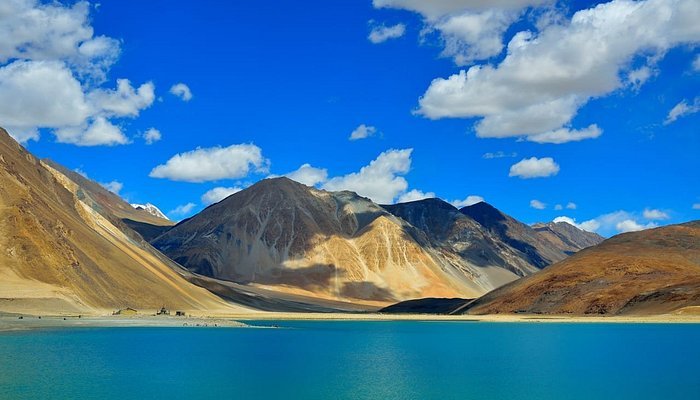
- Pangong Lake: Famous turquoise lake stretching into Tibet. Ideal for photographers and those seeking serene, lakeside evenings.
Why your choice matters
Ladakh is high country: average elevations range from 3,500 m in Leh to over 4,000 m at other spots. Altitude, travel time between locations, and seasonal accessibility affect comfort and safety. Picking the right base helps with acclimatisation, reduces transit fatigue and lets you enjoy activities without rushing.
Staying in Leh
Leh is the logical base for most visitors — especially those arriving directly by flight. It offers the widest range of accommodations and services.
Who should stay in Leh
- First-time visitors needing acclimatisation.
- Travellers who value convenience, good restaurants and reliable connectivity.
- People planning day trips to monasteries, Sham Valley, and short rides to nearby lakes.
Where to stay in Leh
- Old Town: For culture and a village feel; narrow lanes, traditional houses and proximity to Leh Palace.
- Near the Market: Best for shops, cafés and evening life; practical for last-minute supplies and restaurants.
- Changspa and surrounds: Slightly quieter, with some boutique hotels and good access to the main highway if you’re driving out.
Accommodation types in Leh
- Guesthouses and homestays: Warm hospitality, local food and cultural interaction.
- Mid-range hotels: Comfortable rooms and reliable services; good for families and couples.
- Luxury hotels: Value modern comforts and amenities, often with spectacular valley views.
Pros and cons of staying in Leh
- Pros: Best acclimatisation, healthcare access, variety of food, easy bookings and short day-trips.
- Cons: Urbanised compared to Nubra and Pangong; views are good but not the lakeside panoramas.
Staying in Nubra Valley
Nubra Valley feels like another world — wide valleys, striking dunes and remote monasteries. It’s a great choice for those wanting a quieter, adventure-focused stay.
Who should stay in Nubra
- Adventure travellers chasing offbeat landscapes and camel rides.
- Those wanting to stay in a quieter, rural atmosphere for a night or two.
- Photographers and nature lovers looking for dramatic light and lesser crowds.
Where to stay in Nubra
- Diskit: The main town with easy access to the famous Diskit Monastery and reasonable guesthouse options.
- Hunder: Popular for sand dunes and camel rides; offers camps and homestays close to the dunes.
- Turtuk: A more remote, culturally distinct village if you want deeper immersion (requires permits and time).
Accommodation types in Nubra
- Riverside camps: Tented stays beside the Shyok River — good for starry nights and rustic charm.
- Guesthouses and homestays: Local food and hospitality; fewer amenities than Leh but authentic.
- Small lodges: Offer basic comfort and sometimes heating — important in shoulder seasons.
Pros and cons of staying in Nubra
- Pros: Untamed scenery, calmer nights, unique activities (camel safaris, village walks).
- Cons: Higher altitude than Leh in parts, less medical support, limited dining and limited connectivity.
Staying at Pangong Lake
Pangong Lake’s surreal blues have made it a must-visit. Lakeside stays are memorable but require planning — the lake sits high and gets cold, and rooms are seasonal.
Who should stay at Pangong
- Photographers and romantic getaways seeking sweeping lake views at sunrise and sunset.
- Those who don’t mind basic facilities in exchange for being right by the water.
- Visitors with time to acclimatise in Leh first before heading to the lake.
Where to stay at Pangong
- Spangmik: The most popular spot with camps and guesthouses right on the lakeshore.
- Tangtse and Merak: Quieter stretches of the lake if you prefer fewer people and more solitude.
Accommodation types at Pangong
- Luxury camps: Offer heated tents, comfortable bedding and often spectacular dining setups.
- Basic tents and guesthouses: Practical choices that focus on the view rather than frills.
Pros and cons of staying at Pangong
- Pros: Unrivalled lakeside views, exceptional sunsets and a strong sense of remoteness.
- Cons: Cold nights, seasonal closures, limited medical help and fewer food options than Leh.
Practical tips for choosing where to stay
- Prioritise acclimatisation: Spend at least 24–48 hours in Leh before heading to higher valleys to reduce altitude sickness risk.
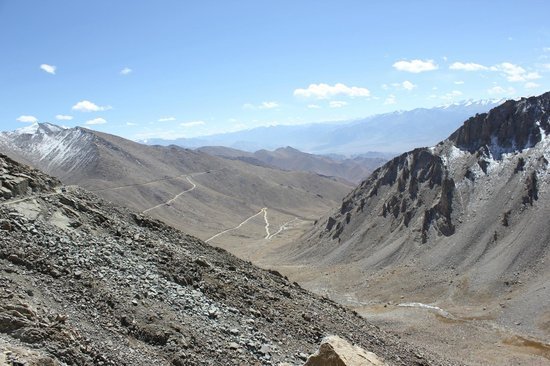
- Consider travel times: Road travel in Ladakh is scenic but slow; Leh to Pangong is several hours and Leh to Nubra via Khardung La can be long and rough.
- Book seasonally: Many camps and guesthouses operate only in summer (May–September). Confirm availability before you arrive.
- Check heating options: Nights are cold even in summer; ask about blankets, heaters or hot water before booking.
- Permits and documentation: Inner Line Permits are required for certain areas. Your accommodation or tour operator can usually assist.
- Health and safety: Carry basic medication for altitude sickness, and choose places with reachable help and phone connectivity if possible.
Tip: If you have only a few days, base in Leh and do day trips. If you have more time, split your nights — one or two in Nubra and one by Pangong after proper acclimatisation.
Suggested itineraries based on trip length
3–4 days
- Base in Leh: acclimatise, visit Shanti Stupa, Leh Market and nearby monasteries. Optional day-trip to Pangong if you’re comfortable with long drives.
6–8 days
- Leh (2 nights) → Nubra (1–2 nights) → Pangong (1–2 nights) → return to Leh. This lets you experience valley, dunes and lake without rushing.
10+ days
- Leh base with side trips to Tso Moriri, Nubra, Pangong and high passes. More time allows for slower drives, cultural interactions and off-the-beaten-track villages.
Booking and seasonal considerations
Summer (June–September) is peak season for good weather and open roads. Winters are harsh and many places close. Advance booking helps secure camps at Pangong and popular guesthouses in Nubra. Read recent reviews and confirm transport options, as road conditions and services can change quickly.
Final thoughts
There’s no single “best” place to stay in Ladakh — it depends on what you value. Choose Leh for safety, services and acclimatisation; Nubra for dunes, quiet and rural charm; Pangong for dramatic lakeside sunsets and photography. If you can, split your nights across two or three locations to get the full Ladakhi flavour. Travel slowly, respect local customs and the fragile environment, and you’ll come away with memories that last a lifetime.
Happy travels — and pack warm!