Where to Stay in Bumthang: A Guide to Jakar and Its Valleys
Planning where to stay in Bumthang? This guide explains lodging options across Jakar and its surrounding valleys—Tang, Ura and Chumey—plus tips on seasons, transport, permits and picking the best base for your Bhutan trip.
By TravMe Holidays travel team · · Updated · 6 min read
Bumthang, often described as the spiritual heartland of Bhutan, is a constellation of gentle valleys, monasteries and alpine meadows. Choosing where to stay here shapes your experience—whether you want easy access to Jakar’s market and temples, tranquil homestays in Ura, or riverside lodges in Tang. This guide helps you decide where to sleep, how to travel between valleys and what to expect from different types of accommodation.
Understanding Bumthang and Its Valleys
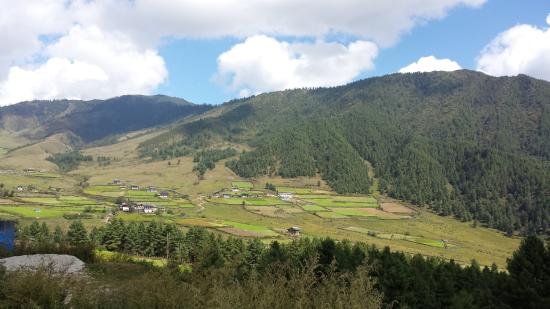
Bumthang is not a single valley but a region comprising four main valleys: Ura, Chumey, Tang and Choekhor (where Jakar town sits). Each has its own character. Choekhor is the administrative and cultural hub with Jakar town and the impressive Jakar Dzong. Tang and Chumey offer scenic drives, smaller settlements and easy trails; Ura, higher and more remote, has a distinctive highland feel with yak pastures and traditional stone houses.
Why your base matters
Your choice of where to stay affects daily logistics—travel time to monasteries and hikes, availability of dining options, and the intimacy of local interactions. A central base like Jakar reduces transfer time between sites, while staying in outlying valleys gives a deeper glimpse into rural life and quieter nights under big skies.
Jakar Town: Best for Convenience and Culture
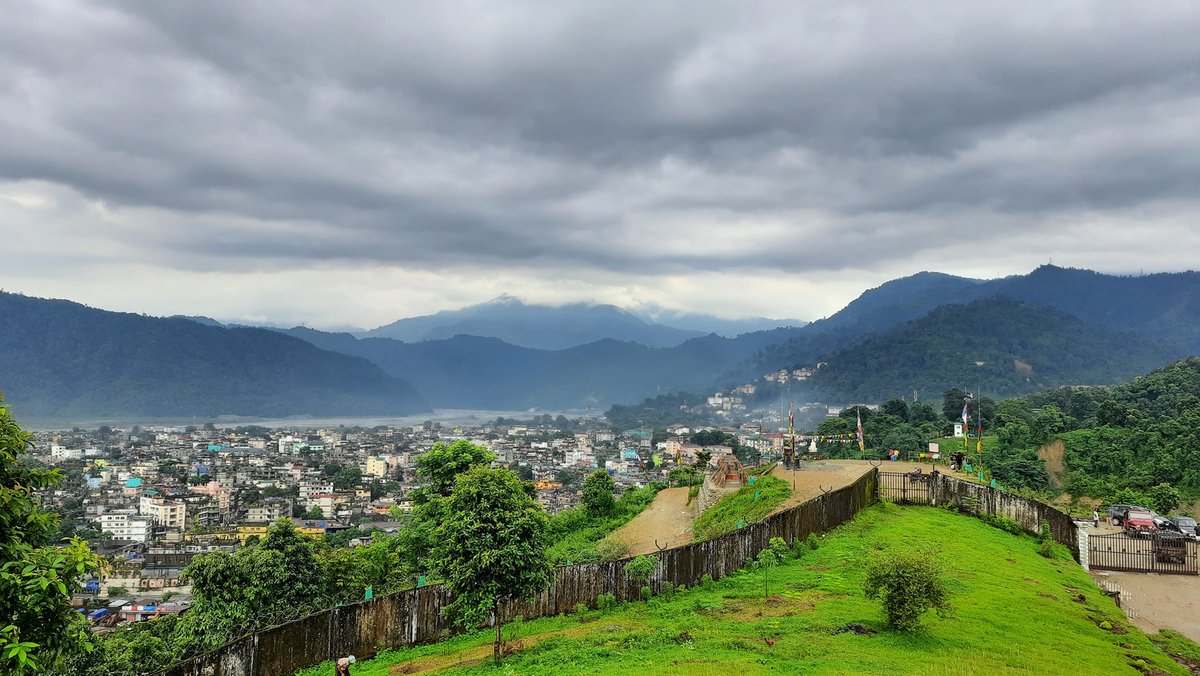
Jakar (Choekhor) is the most practical base for most travellers. It has the widest range of services: guesthouses, boutique hotels, lodges and eateries serving both traditional Bhutanese and basic international fare. Staying in Jakar makes early morning visits to Jakar Dzong, Kurje Lhakhang and nearby monasteries straightforward, and it’s the easiest place to arrange local guides, drivers and permits.
Who should stay in Jakar?
- First-time visitors to Bumthang who prefer shorter transfers and more amenities.
- Travellers on a moderate itinerary wanting day trips to Tang, Chumey and Ura.
- Visitors who prefer a mix of cultural visits, markets and easy access to cafés and shops.
Tang Valley: Riverside Calm and Countryside Walks
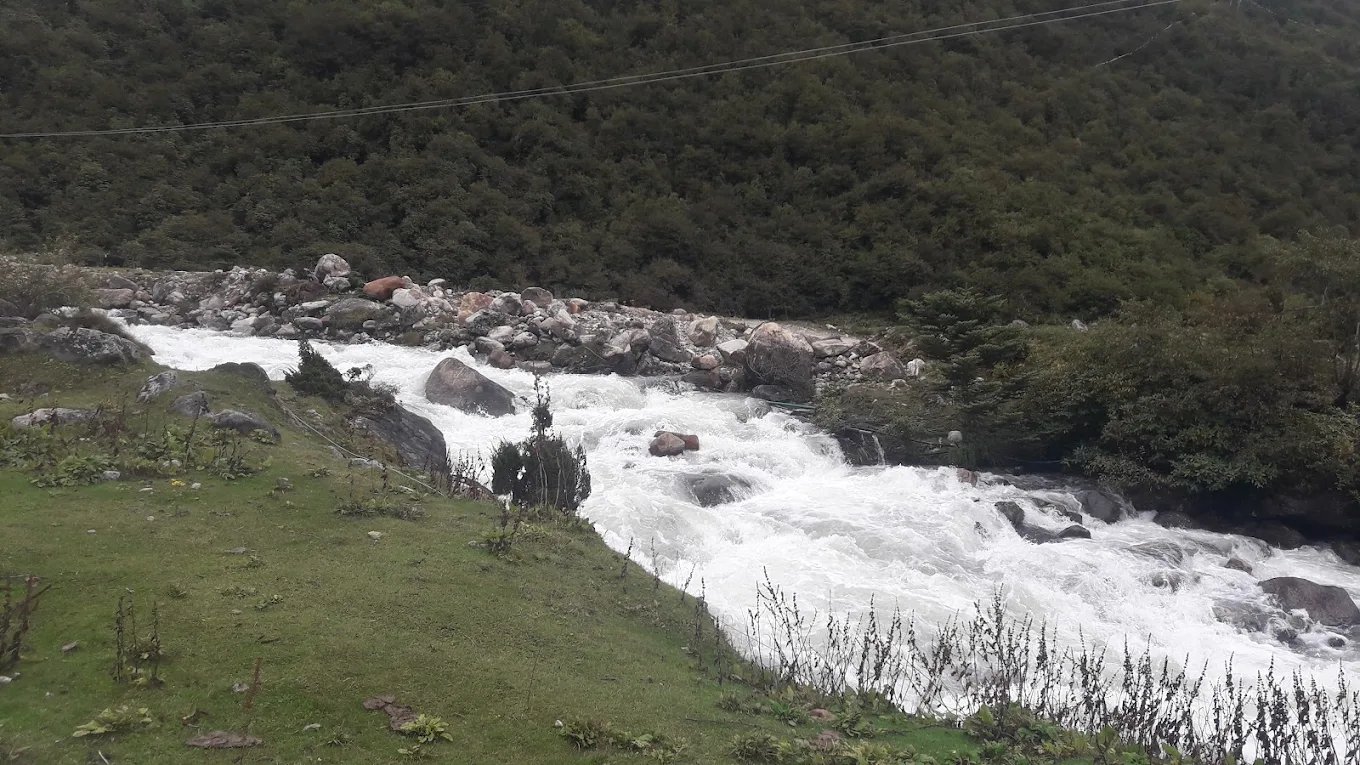
Tang Valley is a narrow, green corridor carved by the Tang Chhu river, dotted with farmsteads and small temples. Accommodations here tend to be smaller lodges or village homestays with charming river views. Tang is quieter than Jakar and ideal for walkers who want gentle countryside trails, local farms and less tourist-focused evenings.
Who should stay in Tang?
- Nature lovers seeking calm and riverside scenery.
- Travellers wanting easy access to trekking or horseback tours into higher ridges.
- Visitors happy with simpler amenities in exchange for local character.
Ura Valley: Highland Views and Traditional Life
Ura is the highest of Bumthang’s valleys and offers a distinctly rural, high-altitude ambience. Accommodation here is often in family-run homestays or small lodges built in traditional Bhutanese style. Ura is a gateway to high meadows, yak pastures and festivals that feel especially local and authentic.
Who should stay in Ura?
- Travellers looking for an immersive village experience and scenic solitude.
- Photographers and hikers drawn to alpine landscapes and seasonal wildflowers.
- Those comfortable with basic facilities and who welcome close contact with host families.
Chumey Valley: Quiet Farms and Easy Access
Chumey lies between Jakar and Ura and provides a balance—less remote than Ura but calmer than Jakar. It has pleasant lodges and family-run stays, and it’s a sensible choice for visitors who want a quieter nights’ rest while remaining within easy reach of major sights.
Who should stay in Chumey?
- Travellers preferring a quiet base with reasonable access to Jakar’s attractions.
- Families and couples seeking peaceful evenings without long drives.
- Visitors interested in short village walks and tea-house hospitality.
Types of Accommodation in Bumthang
Bumthang’s accommodation ranges from comfortable small hotels and heritage lodges to homestays and eco-friendly camps. Here’s what to expect by category.
Luxury and boutique lodges
Higher-end properties in Bumthang combine traditional Bhutanese architecture with modern comforts. Expect spacious rooms, commanding views, in-house dining and sometimes wellness services. These are typically found in and around Jakar or perched on valley slopes for panoramic vistas.
Mid-range hotels and guesthouses
These offer clean, comfortable rooms, hot water and simple restaurant services. They are the most common option for travellers seeking convenience without premium price points. Mid-range stays are practical for families and groups.
Budget stays and hostels
Budget options are basic but friendly, often operated by local families or small entrepreneurs. Rooms may be simple, but hosts are typically warm and eager to help with local guidance and arrangement of activities.
Homestays and village houses
Homestays are a highlight in Bumthang—offering authentic meals, cultural exchange and a chance to experience rural life. Facilities can be modest, but the opportunity to share stories over a traditional meal often makes these stays memorable.
Practical Tips for Choosing Your Stay
- Season matters: Spring (March–May) and autumn (September–November) are the clearest and most pleasant for travel. Winter can be cold, especially in Ura; summer brings monsoon clouds and occasional road disruptions.
- Road travel: Distances in Bhutan can be deceptively slow due to mountain roads. If you prefer short drives, stay in Jakar; for scenic drives and solitude, choose the outer valleys.
- Altitude and health: Bumthang sits at a higher elevation than western Bhutan. Give yourself time to acclimatise if coming from lower elevations.
- Food preferences: Many places serve Bhutanese cuisine with variations for vegetarian or mild palates. If you have strict dietary needs, confirm in advance.
- Connectivity: Internet and mobile signals are strongest in Jakar; remote valleys may have limited connectivity—ideal for an intentional digital detox.
Tip: If you have only a couple of days, base yourself in Jakar for convenience. For a slower, immersive trip of 4–7 days, plan stays in one or two valleys to savour the landscape and local life.
Booking, Transfers and Permits
Most international visitors to Bhutan travel on packages arranged by licensed tour operators; these will handle permits, domestic transfers and accommodation bookings. If booking independently within an organised trip, coordinate with your travel operator to ensure smooth transfers between valleys—some routes are remote and require local knowledge about road conditions and vehicle types suited to mountain roads.
Arrival logistics
Flights to Paro and onward road transfers to Bumthang are common, or you may arrive overland from eastern Bhutan. Expect long but scenic drives. Plan rest stops and factor in daylight for mountain driving.
Sustainable and Respectful Stays
Bumthang is culturally sensitive terrain. Choose accommodations that respect local architecture and culture, support village economies, and follow low-impact practices. Engage respectfully with hosts—ask before photographing people or sacred sites and follow local dress and behaviour customs when visiting temples and festivals.
Sample Itinerary Ideas Based on Where You Stay
- Three-day stay in Jakar: Day trips to Jakar Dzong, Kurje Lhakhang and Tamshing Lhakhang; short hike to local viewpoints and a cultural walk through town market.
- Five-day circuit with nights in Tang and Ura: Start in Jakar, overnight in Tang for countryside walks, then head to Ura to experience alpine meadows and a village homestay; return via Chumey.
- Slow travel option: Spend a week split between a comfortable hotel in Jakar and a homestay in Ura to combine comfort with authenticity.
What to Pack for Bumthang
Layered clothing is essential—mornings and evenings are cool even in summer. Good walking shoes, a rain jacket for monsoon months, a warm hat and sun protection are must-haves. If you plan to attend temples or local homes, carry a modest outfit that covers shoulders and knees.
Conclusion
Choosing where to stay in Bumthang depends on your priorities: convenience and services point to Jakar, while Tang, Ura and Chumey offer peace, local immersion and scenic beauty. Whether you pick a comfortable lodge or a welcoming homestay, Bumthang rewards slow exploration. Plan your base around how you want to spend your days—cultural discoveries, hiking or village life—and you’ll find the right place to rest each evening beneath Bumthang’s clear, starry skies.