Where to Stay in Bhutan: Choosing Between Thimphu, Paro and Punakha
Deciding where to stay in Bhutan? This guide compares Thimphu, Paro and Punakha—neighbourhoods, accommodation types, practical tips and suggested itineraries—to help you pick the best base for your trip.
By TravMe Holidays travel team · · Updated · 6 min read
Choosing where to stay in Bhutan shapes your experience: whether you want cultural immersion, mountain views or river-valley serenity. Thimphu, Paro and Punakha each offer distinct atmospheres and practical advantages. This guide compares neighbourhoods, accommodation styles, logistics and suitable itineraries to help you pick the right base for your trip.
Overview: Thimphu, Paro and Punakha — what makes each unique?
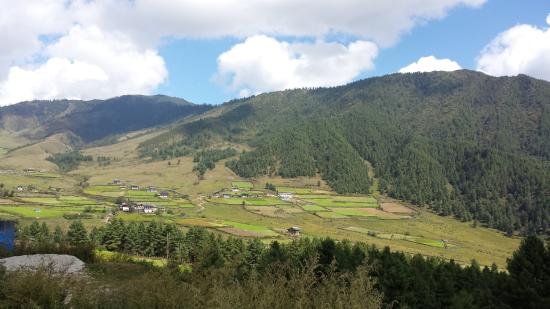
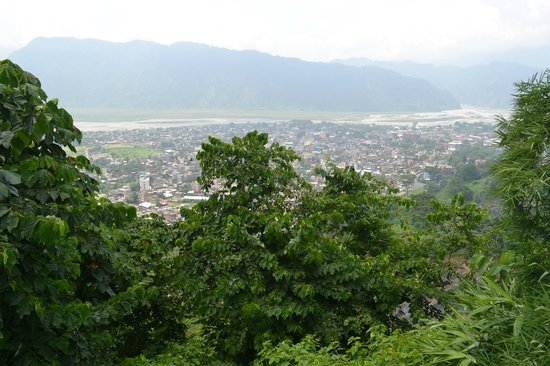
Each of these three destinations showcases a different side of Bhutan. Thimphu is the national capital—modern yet distinctly Bhutanese, with museums, markets and government architecture. Paro is the cultural gateway and home to Bhutan’s main airport, fortified dzongs and dramatic mountain scenery. Punakha, set in a fertile river valley, is the kingdom’s former winter capital and is prized for its subtropical climate, rhododendron forests and the iconic Punakha Dzong.
When to prioritise each town
- Thimphu: Choose if you want city conveniences, museums, restaurants, shopping and easy onward connections by road to other valleys.
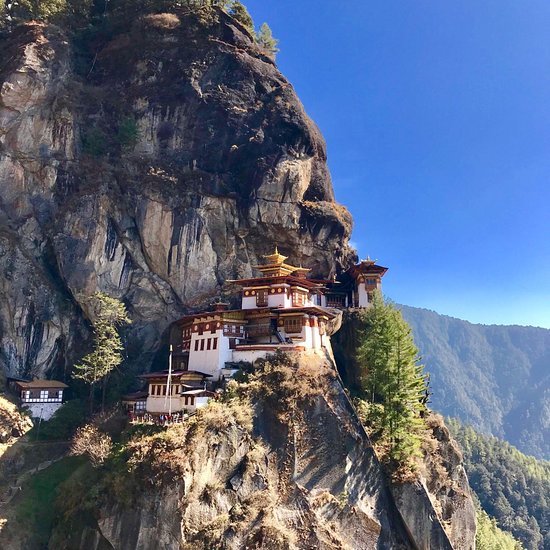
- Paro: Ideal if you fly into Bhutan, want to do the Tiger’s Nest (Taktshang), or prefer quieter mountain scenery close to the airport.
- Punakha: Best for honeymooners, nature lovers and those seeking riverside tranquility, historic dzongs and walks through rice terraces.
Neighbourhoods and what to expect
Thimphu: The heart of modern Bhutan
Thimphu is compact enough to explore over a few days. Key neighbourhoods include:
- Centrally near Clock Tower: Close to government offices, shops, cafes and the main market—excellent for first-time visitors who want walkable convenience.
- Chang Lam and Norzin Lam: Busiest streets with eateries, handicraft shops and nightlife options. Good for budget and mid-range stays.
- Above the town near Motithang: Offers quieter hotels and guesthouses with views of the valley; good for families and those preferring calmer surroundings.
Paro: Gateway with mountain charm
Paro town centres around the river and main bazaar. Areas to consider:
- Paro town centre: Small and easy to navigate—close to the National Museum, Rinpung Dzong and eateries. Great for short stays and day trips.
- Near the airport and valley ridge: Lodges and resorts here offer dramatic views and easy access for early or late flights.
- Outskirts towards Taktsang trailhead: Choose if your priority is an early start for the Tiger’s Nest hike and serene mountain vistas.
Punakha: River valley tranquillity
Punakha town is spread along the Mo Chhu and Pho Chhu rivers. Key zones:
- Town centre near Punakha Dzong: Convenient for historic sites, markets and short walks. Expect modest guesthouses and boutique hotels.
- Riverside and east bank: Many resorts and luxury lodges with river views and gardens—popular with couples and relaxation seekers.
- Upstream villages and farm stays: For those seeking homestay experiences, simple hospitality and immersion in rural life.
Accommodation types and who they suit
- Luxury hotels and resorts: Found in all three towns, often with Bhutanese architecture, spa services and extensive grounds. Great for honeymooners, families wanting comfort and travellers with higher budgets.
- Heritage and boutique hotels: Converted traditional houses or modern hotels with local decor. Ideal for culture-focused travellers who value design and authenticity.
- Mid-range hotels and lodges: Comfortable options with good service and breakfast included. Best for most travellers wanting value and convenience.
- Guesthouses and homestays: The most authentic way to connect with Bhutanese life—often family-run, with simple rooms and home-cooked meals. Choose for cultural immersion and budget travel.
- Ecotents and camp-style stays: Limited availability but increasingly popular near trails and nature reserves, suitable for adventure seekers.
Logistics: Transport, duration and connectivity
Getting in and between towns
Most international visitors arrive via Paro airport. From Paro, Thimphu is a 1–1.5 hour drive depending on road conditions, while Punakha is around 2.5–3.5 hours from Thimphu by road. Roads are scenic but can be winding—expect slower travel during wet weather. Private transfers, shared taxis and arranged car with driver through your tour operator are standard. Domestic flights exist but are limited and subject to weather.
How long to stay in each place
- Thimphu: 1–3 nights to see cultural sites, markets and day hikes.
- Paro: 2–3 nights if you want to hike to Taktshang, visit museums and explore nearby valleys.
- Punakha: 2 nights minimum to soak up the valley, explore Punakha Dzong and enjoy short treks or river activities.
Suggested itineraries based on travel style
First-time visitors (7–10 days)
- Fly into Paro, stay 2 nights: explore Paro town, National Museum and a short hike.
- Transfer to Thimphu, stay 2–3 nights: visit Memorial Chorten, Folk Heritage Museum, weekend market and day hikes.
- Drive to Punakha, stay 2 nights: visit Punakha Dzong, suspension bridge and nearby trails.
- Return to Paro for departure; consider an overnight nearer the airport if your flight is early.
Couples and honeymooners (5–7 days)
- Stay 2 nights in a Punakha riverside resort for romance and relaxation.
- Head to Paro for 2 nights with a hike to Tiger’s Nest—return to a cosy lodge.
- Add a night in Thimphu if you want restaurants and boutique shopping.
Adventure and nature focused (7–12 days)
- Use Paro as your base for treks and high-altitude hikes.
- Stay in Thimphu for access to day hikes and to acclimatise.
- Extend into Punakha for subtropical walks, river activities and exploring lesser-trodden trails.
Practical tips for booking and staying
- Book through a licensed tour operator: Independent travel in Bhutan requires a registered operator to arrange permits and accommodation in many cases. They will also handle transfers and guides.
- Plan for altitude: Paro sits at approximately 2,200 m and Thimphu at around 2,300 m—Punakha is lower. Allow a day or two to acclimatise and stay hydrated.
- Check cancellation and flexibility policies: Weather can affect flights and road travel, so choose accommodation that offers some flexibility.
- Local festivals (Tshechus): If you plan to attend a festival, book well in advance—accommodation fills quickly during these dates.
- Currency and payments: While major cards are accepted at larger hotels, smaller guesthouses and shops prefer cash. ATMs exist but carry some local currency when visiting rural Punakha.
Tip: If you have limited time, base at Paro for convenience to the airport and major sights. If you prefer atmosphere and local life, Thimphu offers the best balance of services and culture. For tranquillity and romance, choose Punakha.
Who should stay where — quick decision guide
- Families: Thimphu for convenience, services and family-friendly hotels.
- Solo travellers: Paro for safety, easy access to main hikes and a calm environment; Thimphu for social life and markets.
- Couples/honeymooners: Punakha’s riverside resorts and quiet lodges are perfect for privacy and romance.
- Culture seekers: Thimphu and Paro—both offer museums, dzongs and cultural performances.
- Trekkers/adventure seekers: Paro valley provides immediate access to high trails; Thimphu can serve as acclimatisation base.
Accessibility and family considerations
Bhutan is generally family-friendly, but consider walking distances to some dzongs and temples. Hotels in Thimphu and Paro offer a range of room types and amenities suitable for children. Punakha’s riverside lodges sometimes require short walks or crossings over suspension bridges; check with your lodge if mobility is a concern. Medical facilities are adequate in Thimphu and Paro for basic needs; for specialised care you may need evacuation to larger centres.
Final recommendations
If you must choose one base: pick Paro if your time is short or you’re flying in and out; choose Thimphu for a balanced cultural-city experience with easier logistics; select Punakha for quiet, romantic and nature-centred stays. Many visitors split time between two or all three to experience Bhutan’s varied landscapes—this is the ideal approach if your schedule allows.
Whichever town you choose, book through a registered operator, allow time for altitude adjustment and leave room in your itinerary for unexpected discoveries—Bhutan rewards slow travel and mindful exploration.
Safe travels and may your stay in Bhutan be filled with peaceful valleys, warm hospitality and memorable mountain moments.