What to Wear in Ladakh in Every Season
Practical, season-by-season wardrobe advice for Ladakh covering fabrics, layering, footwear and accessories, with tips for acclimatisation, cultural respect and packing smart for high-altitude travel.
By TravMe Holidays travel team · · Updated · 6 min read
Ladakh is a land of dramatic skies, stark mountains and sudden weather swings. Choosing the right clothes makes the difference between enjoying its high-altitude beauty and enduring cold, sunburn or discomfort. This guide explains what to wear in Ladakh through every season, plus packing tips and local considerations so you travel comfortably and respectfully.
Understanding Ladakh's climate and why clothing matters
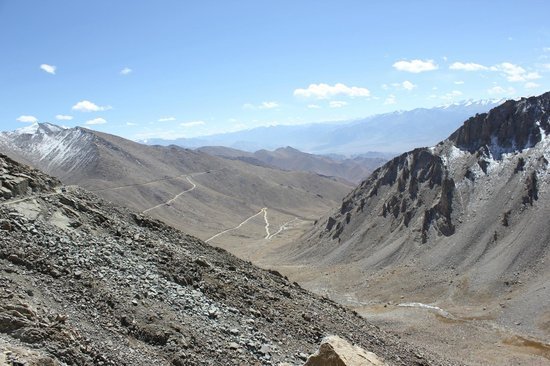
Ladakh sits at 3,000–5,500 metres above sea level, where the air is thin, UV radiation is intense and temperatures can change rapidly between day and night. Even during warm afternoons, nights can be bitterly cold. Wind chill, altitude-related dehydration and dusty roads also influence clothing choices. Dressing smartly—using layers, sun protection and windproof outerwear—keeps you comfortable and safe.
General wardrobe principles for all seasons
- Layering is essential: Start with a moisture-wicking base layer, add insulating mid-layers, and finish with a windproof/waterproof outer layer.
- Prioritise fabrics: Choose merino wool, technical synthetics and down rather than cotton. Cotton retains moisture and chills you quickly.
- Sun protection: Wide-brimmed hat or cap, high SPF sunscreen, UV-blocking sunglasses (category 3 or 4) and lip balm are must-haves.
- Footwear: Sturdy, ankle-supporting trekking shoes or boots with good grip are ideal. Carry sandals for guesthouses and hot-spring visits.
- Windproof and waterproof: A lightweight shell with taped seams protects against wind and sudden rain or snow.
- Pack compact warmth: A packable down jacket or insulated vest saves space and provides strong warmth-to-weight ratio.
What to wear in summer (June to August)
Summer is the most popular season for Ladakh. Days are generally warm and sunny, but temperatures can still drop at night and at higher altitudes. Expect large diurnal variations.
Daytime
- Lightweight long-sleeve shirts (UV-protective) to block strong sun and dust.
- Lightweight trekking trousers or convertible zip-off pants; avoid shorts in high-altitude sun exposure.
- Fleece or thin insulating layer in the morning.
- Sunglasses, sunscreen and a broad-brimmed hat.
Evening and nights
- Down jacket or thick insulated jacket for evenings and higher passes.
- Warm hat, gloves and thermal socks.
Notes
Though summer roads are mostly dry, dust and strong winds make a windproof outer shell helpful. Consider gaiters for dusty treks and a balaclava for chilly, windy mornings.
What to wear in shoulder seasons (May and September)
Shoulder months are unpredictable: you may encounter pleasant days, sudden snow at higher elevations or chilly winds. Dress in versatile layers.
- Base layers: merino or synthetic top and bottom.
- Mid-layer: fleece or light insulated jacket.
- Outer shell: windproof waterproof jacket and pants—useful during snow flurries or rain.
- Warm hat and gloves for higher passes; carry crampon-friendly footwear if you plan snow routes.
What to wear in autumn (October to early November)
Autumn sees clear skies and cold temperatures, with nights growing colder as the season progresses. This is a beautiful time for photography, but prepare for near-winter conditions after sunset.
- Thermal base layers for mornings and nights.
- Insulated jacket (down or synthetic) and an extra fleece.
- Sturdy, insulated footwear; wool or thermal socks.
- Windproof trousers and a waterproof shell for higher trails and passes.
What to wear in winter (December to February)
Winter in Ladakh is harsh: heavy snow, sub-zero daytime temperatures and extremely cold nights. Travel is limited to some parts, so if you go, dress for serious cold.
- Heavy down parka with a hood—look for long cut and high insulation fill.
- Multiple insulating mid-layers (fleece, down sweater, wool layers).
- Warm base layers (thermal top and bottom) made from merino or technical fabrics.
- Windproof and insulated trousers; over-trousers add protection for extreme conditions.
- Insulated, waterproof boots suitable for snow, with good tread and room for thick socks.
- Thick wool gloves with liner gloves, thermal hat, neck gaiter and face protection.
What to wear in spring (March to April)
Spring is transitional—snow melts, roads improve but nights remain cold. UV is rising, and weather remains changeable.
- Layering similar to shoulder seasons: base, mid and outer layers.
- Pack a lightweight down jacket plus a heavier one if you visit high passes.
- Waterproof shell as spring can still bring late snow or rain in higher zones.
Accessories and specialised gear
- Sunglasses: UV-blocking, wrap-around styles protect against glare and snow blindness.
- Sun hat and sunblock: broad-spectrum SPF 50+ recommended.
- Neck gaiter or buff: dust, sun and cold protection in one.
- Gloves: thin liners for dexterity and insulated outer gloves for warmth.
- Hydration pack and insulated water bottles: at altitude, warm liquids are comforting and dehydration is a risk.
- Daypack rain cover and small repair kit for zips and buckles.
Packing checklist — essentials for any season
- Base layers (2–3 sets) — merino or synthetic.
- Insulating mid-layer(s) — fleece and one down/synthetic jacket.
- Windproof/waterproof shell jacket and trousers.
- Trekking trousers and a pair of comfortable pants for evenings.
- Warm hat, sun hat, gloves (liner + insulating), neck gaiter.
- Sunglasses with high UV protection, sunscreen and lip balm with SPF.
- Trekking boots, casual shoes or sandals, multiple pairs of socks (technical + wool).
- Small first-aid kit, personal medications and altitude sickness remedies if advised by your doctor.
Clothing considerations for women and modesty
Ladakhis are warm and conservative. While Leh town and tourist areas are flexible, it’s respectful to avoid overly revealing clothes in villages or monastic areas. Long trousers, shawls or light scarves are useful for temple visits and interactions with local families. For ladies, sports bras and thermal innerwear provide comfort and modesty during active days.
Kids and elderly travellers — special considerations
Children and older adults are more susceptible to cold and altitude effects. Pack extra warm layers, comfortable insulated footwear, and ensure they have sun protection and enough liquids. Keep jackets and thermal layers easily accessible during travel, and avoid overexertion during acclimatisation.
Buying or hiring gear in Ladakh
Leh has shops selling outdoor clothing and rental services for down jackets, sleeping bags and trekking boots. Rental is convenient for lightweight travel or sudden needs, but quality varies. If you rely on rented gear, inspect items carefully for insulation, fit and condition before leaving town.
Tips for maintaining warmth and comfort
- Keep a warm layer accessible in your daypack; weather can change quickly on passes and river valleys.
- Avoid cotton near the skin and change damp clothes promptly to prevent chill.
- Layer trap warm air; a vest combined with a shell can be surprisingly effective for active days.
- Use hand warmers on very cold days; they are lightweight and helpful for long waits at viewpoints or passes.
- Stay hydrated and eat calorie-rich snacks—your body needs more energy to stay warm at altitude.
Pro tip: Pack a small, lightweight down jacket for emergencies even in summer—its warmth-to-weight ratio is invaluable at high altitude.
Cultural and practical dressing etiquette
Be mindful when photographing locals—ask permission. In monasteries and remote villages, wear modest clothing and remove shoes where required. Bright colours are welcome, but neutral and earth tones blend well with the landscape and respect local sensibilities.
Final checklist before you leave
- Check seasonal weather forecasts and road/pass statuses.
- Confirm accommodation has proper heating in colder months.
- Pack a small repair kit and a few safety pins for quick fixes.
- Ensure important layers and medication are in carry-on if flying into Leh.
With suitable clothing and a little planning, Ladakh’s dramatic landscapes become inviting rather than intimidating. Whether you travel in balmy summer sun or crisp winter stillness, prioritise layering, sun protection and windproof outerwear—these simple choices will keep you comfortable and free to enjoy one of India’s most magical high-altitude destinations.
Safe travels and warm layering!