Two Weeks in Ladakh: A Slow Travel Itinerary
A gentle, two-week slow travel plan for Ladakh that balances acclimatisation, culture and scenic drives—ideal for travellers who want to savour mountain life rather than rush.
By TravMe Holidays travel team · · Updated · 7 min read
Two weeks in Ladakh offers the perfect rhythm for slow travel: time to acclimatise, to linger in high-altitude villages, to explore monasteries, and to take long walks where the sky feels as big as the landscape. This itinerary avoids the checklist sprint and instead prioritises gentle drives, local experiences, and mindful pacing so you return home relaxed and changed.
How to use this itinerary
This plan assumes arrival in Leh (by air or road) and a total of 13–14 nights on the ground. It emphasises rest days after high passes, optional add-ons depending on interests, and realistic driving segments. Adjust days according to your arrival and departure times. The focus is on immersing yourself in Ladakhi life—homestays, tea-house conversations, short hikes, and mindful pauses at high-altitude lakes.
Essential planning and permits
Before you go, take care of practicalities so your trip flows smoothly.
- Acclimatisation: Spend at least 48 hours in Leh after arrival—avoid heavy exertion, stay hydrated, and sleep well. Altitude sickness can affect anyone regardless of fitness.
- Permits: Indian citizens usually need an Inner Line Permit (ILP) for certain restricted border areas; foreign nationals need a Protected Area Permit (PAP) for Leh and other sensitive zones. Permits are issued in Leh (DC office) or arranged by travel agents; check current rules before travel.
- Best time to visit: June to September is the main season when roads are open and weather is stable. Shoulder months can be quieter but expect colder nights and possible road closures.
- Health and safety: Carry a basic altitude first-aid kit, avoid alcohol for the first 48 hours, and consult your doctor for medication options like acetazolamide if you have a history of altitude issues.
Day-by-day slow travel itinerary
Days 1–3: Arrival in Leh — rest, wander, and gentle walks
Arrive in Leh, check into your guesthouse or homestay and take the first two days very easy. Spend mornings sipping sweet butter tea or lemon tea, and afternoons on short, relaxed walks around Leh bazaar and the riverbank.
- Visit Leh Palace and the small market for local handicrafts.
- Walk to Shanti Stupa around sunset for sweeping views over town.
- Optional short treks: the Leh to Spituk walk or light hikes near Shey.
Days 4–5: Shey, Thiksey and Hemis — monastery circuit at a slow pace
Dedicate a couple of days to the cultural heartland around Leh. Drive or hire a local cab and take your time at each site.
- Shey Palace: Former summer palace of Ladakhi kings, with a calm atmosphere—sit and absorb the landscape.
- Thiksey Monastery: A grand gompa resembling the Potala, with prayer halls and resident monks—ask politely before photographing interiors.
- Hemis: Possibly schedule a full morning here to explore its quiet courtyards and museum.
Days 6–8: Nubra Valley — slow rides, sand dunes and village life
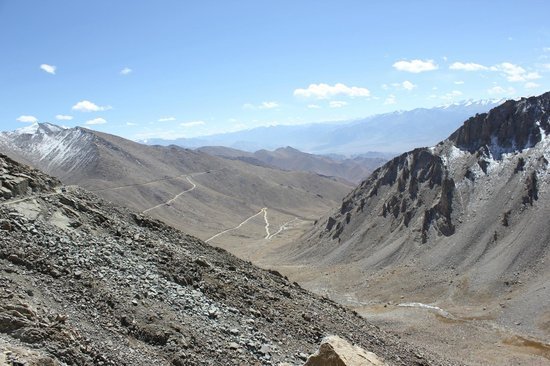
Head over Khardung La to Nubra Valley. Instead of cramming multiple stops, stay in Hunder or Diskit and use one or two easy excursions as focal points of the days.
- Wander through Diskit village and its monastery; climb to the giant Maitreya statue for sunrise or sunset.
- Visit Hunder’s cold desert and take a gentle walk on the dunes—avoid camel rides if you prefer low-impact travel.
- Consider a homestay in a local village to experience everyday Ladakhi hospitality and home-cooked food.
Days 9–10: Return to Leh via local stops — slow drives and terraces
Return to Leh at a relaxed pace, stopping at lesser-known hamlets and viewpoints. Use this time to rest and refuel for the journey eastwards.
- Take scenic breaks at vantage points rather than pushing to reach Leh quickly.
- Explore small markets and buy local apricots, chilgoza or handicrafts as gifts.
Days 11–12: Pangong Tso — long lake days and stargazing
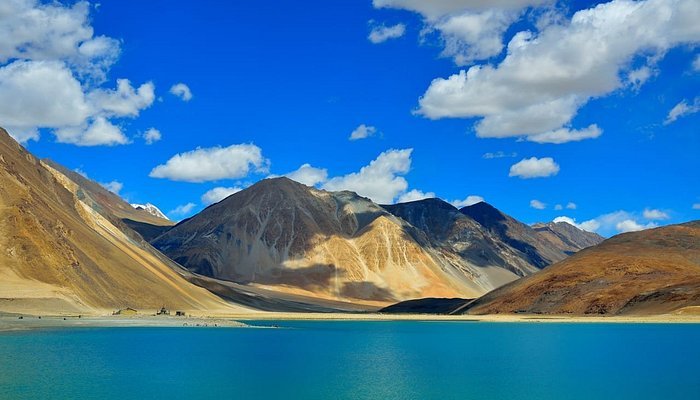
Pangong requires an early start from Leh but is worth slow days once you arrive. Choose a lakeside camp or a basic guesthouse at Spangmik and spend two nights to truly soak in the lake’s changing colours.
- Walk the lakeshore at different times of day—morning mists and late-afternoon hues are especially beautiful.
- Bring extra warm layers for evenings; night temperatures drop sharply.
- Stargazing: with minimal light pollution, Pangong is excellent for clear-sky viewing—allow time after dinner to step outside and just look up.
Days 13–14: Tso Moriri and Tso Kar — high-altitude wetlands and remote villages
If you prefer quieter lakes, swap Pangong for Tso Moriri or add it if your energy and permits allow. Tso Moriri is more remote and tranquil; Tso Kar is a shallow salt lake with birdlife and an excellent place for reflective walks.
- Plan an overnight in Korzok near Tso Moriri to experience nomadic culture and yak herder villages.
- Walk along the lakeshore, watch migratory birds and chat with locals where possible.
- Return to Leh via scenic pasturelands and take one final evening for packing and relaxation.
Slow travel tips and local experiences
Slowing down in Ladakh is about more than time—it’s an attitude. Here are ways to deepen your experience without rushing.
- Choose homestays: Stay with local families where possible. You’ll learn daily rhythms, taste traditional meals, and support the local economy directly.
- Walk more, drive less: Opt for short local walks and village explorations on foot. The scale of the landscape rewards slow footsteps and quiet observation.
- Engage respectfully: Learn a few Ladakhi phrases, ask before photographing people, and attend a morning prayer at a gompa when available.
- Support local artisans: Buy pashmina, handwoven belts, apricot-based foods and prayer flags from co-operatives rather than roadside stalls.
- Eat locally: Try thukpa, skyu, apricot juice and local bread. Avoid imported packaged food where possible to reduce waste and enjoy fresher meals.
Packing list and practical gear
Pack for layers and for both sun and cold. High-altitude weather is changeable even in summer.
- Warm layers: down jacket, fleece, thermal base layers, gloves and a warm hat.
- Sun protection: wide-brimmed hat, high-SPF sunscreen, sunglasses with UV protection.
- Footwear: comfortable walking shoes and an insulated pair for evenings.
- Hydration: reusable water bottle with purifier tablets or filter; drinking plenty of water aids acclimatisation.
- Daypack for walks, basic first-aid including altitude medication if advised by your physician, and hydration salts.
Transport and driving advice
Roads in Ladakh range from excellent paved stretches to rough high-altitude terrain. For slow travel, choose quality over speed.
- Hire local drivers: Experienced local drivers know how to manage high passes and altitude changes; they also add local knowledge and can introduce you to lesser-known spots.
- Self-drive caution: If you plan to self-drive, ensure you have a suitable vehicle, spare parts, and familiarity with mountain driving. Adapt speeds to road conditions and weather.
- Allow buffer time: Mountain roads can be unpredictable—acknowledge extra time for breaks, photo stops, and unexpected closures.
Responsible travel in Ladakh
Ladakh’s fragile environment and unique culture reward travellers who tread lightly.
- Respect water scarcity—use water sparingly and avoid stringing up long laundry runs in public areas.
- Dispose of waste responsibly; carry a day bag for rubbish and use designated bins when available.
- Support conservation-friendly accommodation and initiatives that benefit local communities.
- Avoid buying or taking away artefacts that belong to monasteries or community spaces.
Slow travel in Ladakh is not about doing more—but about being more present. Let the pace of the plateau reshape your sense of time.
Optional extensions and alternatives
If you have extra days or prefer alternate routes, consider:
- Kargil and the Suru Valley for remote trekking options and different cultural interactions.
- Markha Valley or Chadar (winter) treks if you have time and a trekking plan with proper permits and guides.
- Mixing Pangong and Tso Moriri—both are superb but plan for additional driving days and permit requirements.
Final practical checklist
Before you set out from Leh on your slow Ladakh journey, make sure you have:
- All necessary permits (ILP/PAP) and copies of ID.
- Contact details of your accommodation and a local emergency contact.
- Enough cash for remote areas—ATMs can be unreliable outside Leh.
- Chargers and a power bank; electricity can be intermittent in camps and remote guesthouses.
Two weeks allows you to move slowly and still see the high points of Ladakh. By prioritising acclimatisation, choosing homestays, and planning relaxed drives, you access the quieter, more meaningful parts of this high desert—its people, monasteries, lakes and the wide-open sky. Take a deep breath, let the altitude slow your pulse, and allow Ladakh to reveal itself without hurry.