Travelling in Northeast India During Monsoon: What You Should Know
Monsoon in the Seven Sisters brings emerald landscapes, dramatic waterfalls and offbeat travel experiences — but it also means roads, permits and health precautions need careful planning. This guide helps you travel smart and safely.
By TravMe Holidays travel team · · Updated · 7 min read
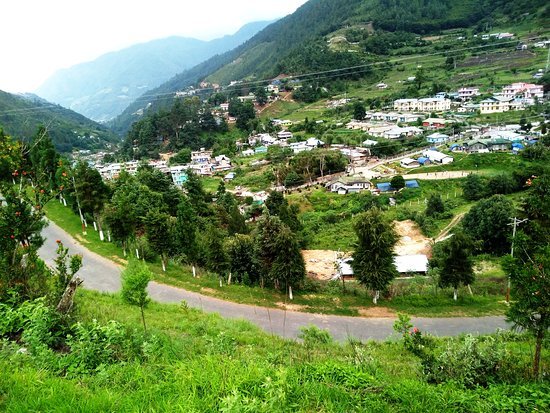
Monsoon transforms the Seven Sisters — Assam, Arunachal Pradesh, Meghalaya, Nagaland, Manipur, Mizoram and Tripura — into a lush, emerald panorama. Rains revive rivers, make waterfalls thunder and carpet the hills in mist, creating some of the most cinematic landscapes in India. At the same time, heavy precipitation affects roads, treks, wildlife sightings and local life. This guide gives practical, first-hand advice to help you enjoy the region safely and respectfully during the rainy season.
Understanding Monsoon in the Seven Sisters
The Northeast monsoon season generally runs from June to September, with pre-monsoon showers starting in May and post-monsoon rains lingering into October in some areas. Rainfall patterns vary considerably across the seven states. Meghalaya (home to Cherrapunji and Mawsynram) receives some of the heaviest downpours on earth, while parts of Arunachal Pradesh and Nagaland have intense but relatively shorter spells of rain. Coastal plains of Assam experience flooding more frequently than higher-elevation states such as Mizoram.
Weather patterns and microclimates
Expect frequent showers, sudden heavy downpours and persistent mist in highlands. Temperatures generally moderate — warm and humid in the valleys, cool in the hills. Microclimates mean the weather can change quickly: a sunny morning can become a wet afternoon, so pack for variability.
Travel Logistics: Roads, Flights and Permits
Monsoon affects connectivity across the Northeast, so planning and flexibility are essential.
Road travel and driving tips
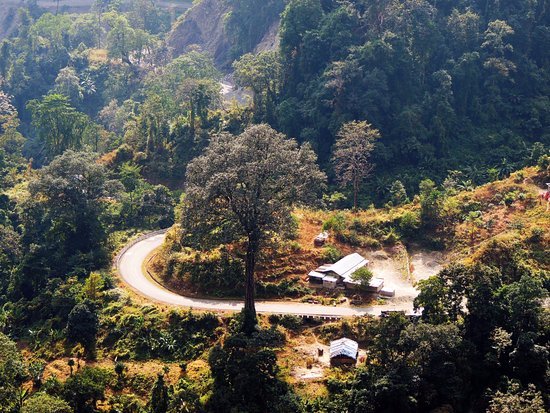
- Road conditions: Landslides and waterlogged stretches are common in the hills. National Highways tend to be better maintained, but rural and hill roads can be narrow, pitted and slippery.
- Vehicle choice: Prefer a high-clearance vehicle or SUV for hill drives. Local shared taxis and state transport buses operate, but may run on reduced schedules during heavy rain.
- Driver experience: Hire experienced local drivers for mountain routes — they know diversion routes and safe times to travel.
- Time your travel: Start early to avoid driving during afternoon downpours and reduced visibility.
Flights and rail
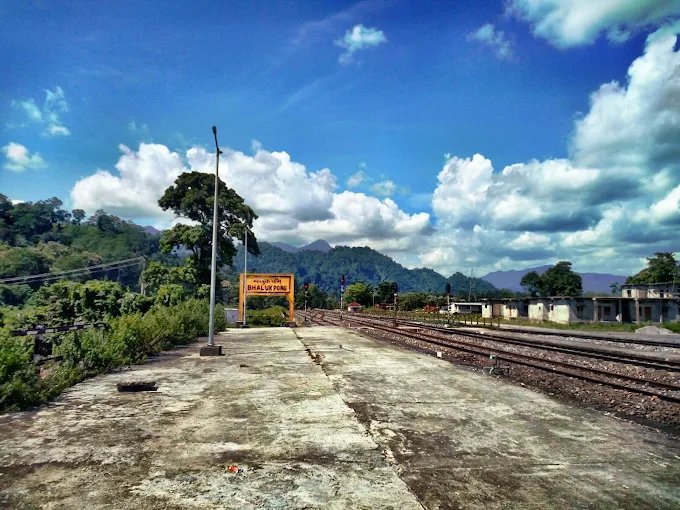
Major towns — Guwahati (Assam), Imphal (Manipur), Aizawl (Mizoram), Itanagar’s nearest airport, Agartala (Tripura) and Dibrugarh (Assam) — retain air links, but flights can be delayed or diverted during storms. Book flexible tickets and allow buffer days in your itinerary. Rail connectivity is improving; the Northeast Frontier Railway operates on key routes but expect disruptions during severe weather.
Permits and local regulations
Certain states in the Seven Sisters require Inner Line Permits (ILP) or Protected Area Permits, especially for Arunachal Pradesh, Mizoram, and Nagaland. Apply well in advance, check validity and carry hard copies. During monsoon, local authorities may impose temporary travel restrictions in landslide-prone areas — keep updated through official state tourism websites or local contacts.
Packing and Gear Essentials
Packing right can make or break your monsoon experience.
- Waterproof outerwear: A breathable, waterproof jacket and rain trousers. Avoid purely plastic ponchos for long treks.
- Footwear: Quick-dry trekking shoes with good grip; lightweight sandals for evenings. Carry gaiters if you plan long hikes on muddy trails.
- Backpack protection: Dry sacks or large raincovers. Keep electronics in waterproof pouches.
- Clothing: Lightweight, quick-dry layers, a warm fleece for hill evenings and spare socks.
- Accessories: Umbrella (compact), microfiber towel, trekking pole for slippery paths, headlamp, and insect repellent.
- First-aid and medicines: Oral rehydration sachets, antiseptics, anti-diarrhoeal meds, and prescription medicines in original packaging.
Health, Hygiene and Safety
Monsoon brings particular health considerations — water-borne and vector-borne diseases rise, and remote access can complicate emergency care.
Vaccinations and preventive care
- Ensure routine vaccinations are up to date; discuss travel vaccines with your doctor if you plan remote trekking or extended stays.
- Carry a mosquito net or check accommodations for screens — dengue and malaria vectors are active in many parts of the Northeast.
Food and water safety
Stick to bottled or boiled water. Eat freshly cooked food from reputable establishments and avoid roadside salads or uncooked items if water quality is uncertain. Pack oral rehydration salts and know where the nearest medical facilities are in each town you visit.
Emergency preparedness
Keep local emergency numbers handy, register with your tour operator or host, and carry offline maps. In remote areas, network coverage can be intermittent; consider a portable power bank and a local SIM card with good regional coverage.
Activities and Attractions During Monsoon
Monsoon opens unique experiences but sometimes closes popular ones.
Best monsoon experiences
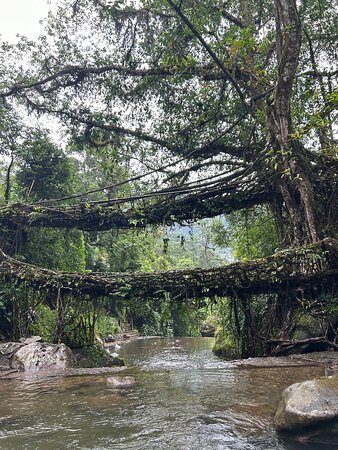
- Waterfalls and living root bridges: Many waterfalls are at their most spectacular. Meghalaya’s living root bridges become photogenic, moss-draped walkways — but trails can be slippery.
- Tea gardens: Assam tea estates are luminous after rains; walks in newer plantation trails are serene and aromatic.
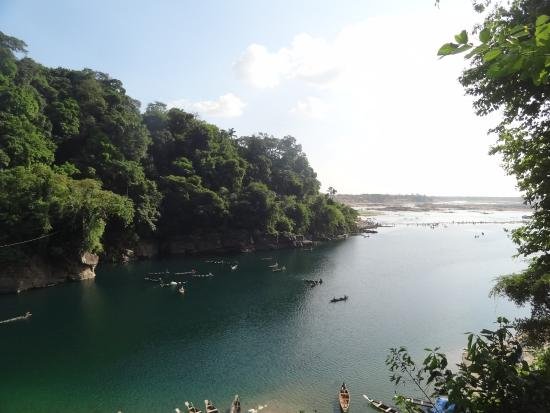
- Wildlife and birding: Migratory birds may be less visible, but resident species thrive after rains. Brahmaputra riverine ecosystems look vibrant; boat rides in calmer weather can be magical.
- Festivals: Some local festivals fall during the monsoon or just after; they provide insight into tribal cultures, music and cuisine. Check local calendars before you travel.
Activities to avoid or modify
- Trekking in high-altitude or exposed ridges is risky due to landslides and slippery trails; pick lower-elevation routes or postpone high-risk treks.
- River crossings and rafting can be dangerous when rivers are swollen; only travel with authorised operators who monitor conditions.
Responsible and Respectful Travel
Monsoon affects local communities and ecosystems. Practise low-impact travel to support sustainable tourism.
- Respect local schedules: heavy rain can disrupt daily life; be patient and flexible.
- Avoid single-use plastic: carry a reusable water bottle and refuse bags for wet waste.
- Support local businesses: choose homestays, local guides and community-run experiences to ensure your spending helps residents.
- Follow trail etiquette: stick to marked paths to avoid accelerating erosion and landslides.
If in doubt, choose safety over ambition — postponing a trek or taking a longer road detour keeps both you and the local environment safer.
Photography Tips for Rainy Landscapes
Monsoon skies and cloudscapes are dramatic. A few simple tips can help you capture the mood without damaging gear.
- Use weather-sealed cameras or keep gear in waterproof bags; microfibre cloths help clear mist and droplets.
- Shoot early morning or late afternoon for soft light; overcast conditions are ideal for saturated colours and long exposures on waterfalls.
- Carry a small tripod and neutral density filters for silky waterfall shots; a lens hood reduces raindrops on glass.
Planning Your Itinerary and Booking
Flexibility is the most valuable part of a monsoon plan.
- Build buffer days into your itinerary for delays and local recommendations.
- Book accommodation with flexible cancellation policies; homestays and small guesthouses appreciate advance notice but may not have strict online systems.
- Engage a local tour operator for logistics like permits, drivers and up-to-date weather advisories — this is especially helpful for multi-state trips across the Seven Sisters.
State-by-State Quick Notes
Useful pointers for each of the Seven Sisters in monsoon.
- Assam: Brahmaputra swells and flood-prone plains; tea gardens look spectacular. River navigation can be affected.
- Meghalaya: Expect heavy rain in Khasi and Jaintia hills — plan for slippery trails but unforgettable waterfalls and root bridges.
- Arunachal Pradesh: Remote valleys can have sudden landslides; respect permit rules and local advisories.
- Nagaland and Manipur: Hilly terrain with rich tribal culture; roads may be affected, so travel with local knowledge.
- Mizoram: Lush hills and fewer tourists; homestays are a good option but services may be limited in rain.
- Tripura: Gentler monsoon; archaeological sites are pleasant to visit with fewer crowds but check local conditions for access.
Monsoon travel in the Seven Sisters rewards patience and curiosity. The rains bring a raw, intimate beauty that few seasons match — provided you prepare, remain flexible and respect local conditions. With the right gear, sensible planning and a readiness to adapt, you can experience some of India’s most dramatic landscapes at their most alive.
Conclusion: Travel smart by prioritising safety, local guidance and flexibility. The Seven Sisters in monsoon offer extraordinary scenery, unique cultural encounters and quieter experiences — travel thoughtfully and the rewards will be unforgettable.