The Mughal Road Drive to Kashmir via Pir Ki Gali
Drive the historic Mughal Road through Pir Ki Gali for a spectacular, offbeat Kashmir entry. Practical tips, route stops, safety and seasonal advice for travellers.
By TravMe Holidays travel team · · Updated · 6 min read
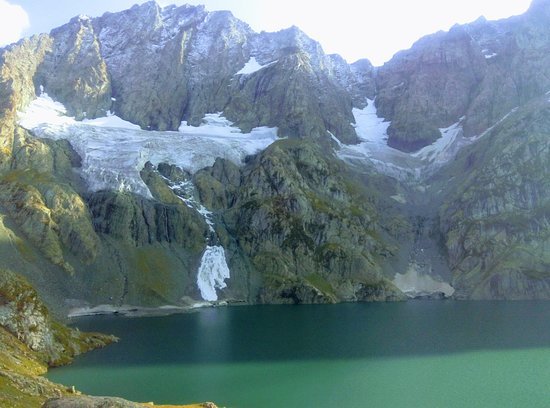
The Mughal Road, winding across the Pir Panjal range and threading through the high saddle of Pir Ki Gali, is one of the most atmospheric ways to reach Kashmir. This drive blends history, dramatic landscapes and a sense of wilderness—ideal for travellers who prefer a scenic, contemplative approach to the Valley rather than the standard highway.
Why choose the Mughal Road?
The Mughal Road is more than a route; it is a journey through centuries. Once a key connector for emperors and traders, the road was restored for modern vehicles and now offers an alternative to the Jammu–Srinagar highway. You get high-mountain passes, ancient ruins, alpine meadows and fewer crowds. For photographers, nature lovers and those who enjoy slow travel, the Mughal Road is a memorable choice.
Understanding Pir Ki Gali
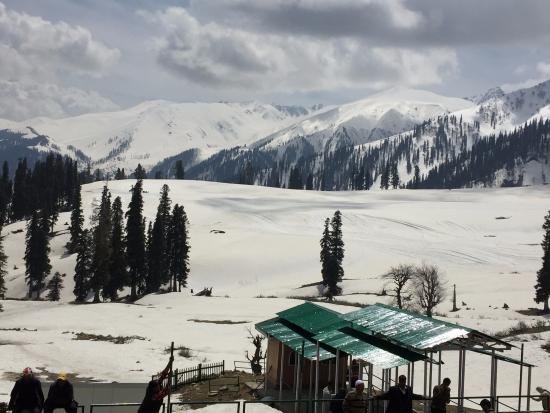
Pir Ki Gali is the highest motorable point on the Mughal Road and a natural saddle in the Pir Panjal range. The site holds local cultural significance—'pir' meaning a saint or spiritual guide—and offers sweeping views of surrounding peaks and valleys. Weather here is unpredictable; snow and thick clouds can appear even in late spring, so preparation is essential.
Route overview and suggested itinerary
Typical itineraries start from Rajouri or Bufliaz and traverse the Mughal Road to join Shopian or Pulwama in the Kashmir Valley. The full stretch is a few hours of driving under good conditions, but you should plan for stops and possible delays.
Sample 2-day itinerary
- Day 1: Rajouri/Bufliaz to Pir Ki Gali — acclimatise at mid-elevation stops, enjoy late afternoon light at the pass, overnight at a guesthouse or in Shopian if roads permit.
- Day 2: Shopian to Srinagar — explore apple orchards, stop at local bazaars, arrive in Srinagar by evening.
Key stops along the way
- Bufliaz and surrounding villages — for local food and a glimpse of traditional life.
- Pir Ki Gali — the high saddle and photo stop.
- Ancient Mughal-era ruins and mosques — scattered along the road, worth short detours.
- Shopian and Pulwama — apple country with markets and simple guesthouses.
Best time to travel
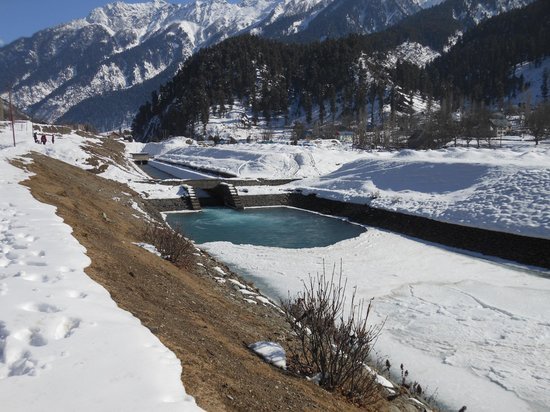
Summer and autumn are the most reliable seasons. From late May to October the road is generally open and the weather milder, with alpine meadows in bloom and fairer driving conditions. Monsoon can bring landslips and reduced visibility, while winter closes the pass under snow. Early autumn also gives clear skies and pleasant days, with the added bonus of harvest activity in downstream orchards.
Permits, regulations and checkpoints
Depending on your origin and the current regulations, there may be security checkpoints and identity verifications along the route. Always carry original ID—passport for foreign nationals, and valid photo ID for Indian travellers. Check current travel advisories and road status before departure; local authorities and district websites usually post updates during seasons of heavy snowfall or maintenance work.
Vehicle and driving advice
Road conditions can vary from smooth tarmac to stretches with gravel or loose stones. A well-maintained vehicle with good ground clearance is recommended—many travellers prefer an SUV for comfort and confidence. Before you depart:
- Service brakes, suspension and cooling system.
- Check tyre tread and keep a spare, jack and puncture repair kit.
- Top up engine oil and coolant; fuel up at larger towns since pumps are scarce at high altitude.
Drive at a steady, controlled pace. Be cautious on narrow sections and approach blind bends slowly. Mountain weather can change quickly; reduce speed in rain, fog or snow. Use low gears on steep ascents and descents to reduce brake wear. If you encounter military convoys or local traffic rules, follow instructions from personnel on duty.
Safety and health considerations
Altitude at Pir Ki Gali can affect people who ascend rapidly. Symptoms of mild altitude sickness include headache, nausea and breathlessness. To reduce risk:
- Ascend gradually where possible and rest at intermediate altitudes.
- Stay hydrated and avoid heavy exertion on your first day at altitude.
- Carry basic medication for headaches and stomach upsets, and consult a healthcare professional if you have any chronic conditions before travel.
Mobile network coverage is patchy; inform someone of your travel plan and expected checkpoints. Carry a paper map or pre-download offline navigation. A portable power bank and warm clothing are essential in case of unscheduled stops.
Where to eat and what to try
Along the Mughal Road you will find small dhabas and home-cooked-style eateries that serve hearty food—dal, roti, rice, local vegetables and simple meat dishes. In Shopian and Pulwama, try local apple preparations when in season and sample Kashmiri flavours such as noon chai, kehwa and pulao in more established eateries. Carry snacks, water and warm beverages for stretches where dining options are limited.
Accommodation options
Options range from basic guesthouses in hill towns to more comfortable hotels and houseboats once you reach Srinagar. On the route itself, expect simple stays—clean rooms, local hospitality and authentic home-cooked food. If you prefer comfort, plan to reach Shopian or Srinagar by nightfall and book in advance during peak season.
Photography and wildlife
The Mughal Road is a photographer’s delight—sweeping mountain vistas, cloudscapes at Pir Ki Gali and seasonal flora. Early morning and late afternoon give the best light. Wildlife sightings can include mountain birds and small mammals; keep distance and avoid feeding animals. Respect private land and local customs when photographing people and villages—ask permission before taking portraits.
Travel tip: Carry multiple layers of clothing. Temperatures swing widely from sunny valley mornings to chilly, windy passes—being able to add or remove layers makes the drive far more comfortable.
Responsible travel and cultural notes
Respect local customs and religious sensitivities. Dress modestly in villages and when visiting places of worship. Keep waste to a minimum—carry any non-biodegradable trash with you until you find proper disposal facilities. Supporting local businesses, purchasing regional handicrafts or eating at village eateries helps the local economy and builds meaningful encounters.
Contingencies and emergency planning
Always check the weather forecast and road bulletins the night before and the morning of your drive. Have a contingency plan for delays: extra food, warm clothes, an emergency sleeping bag and a basic first-aid kit. Note the location of the nearest town with fuel and medical facilities. If you are travelling during shoulder seasons, allow extra time as snow clearance or earthwork can close stretches unexpectedly.
Final tips for a memorable drive
- Start early to make the most of daylight and clearer mountain weather.
- Take regular breaks to enjoy viewpoints—rushing reduces the enjoyment and increases fatigue.
- Converse with local drivers or guesthouse hosts for on-the-ground advice about conditions ahead.
- Keep flexible plans; the real joy of the Mughal Road lies in its surprises—an unexpected meadow, a lonely shrine, a brilliant sunset over Pir Ki Gali.
Driving the Mughal Road via Pir Ki Gali is an invitation to slow down and appreciate Kashmir from a different perspective: higher, quieter and steeped in history. With sensible preparation and a respectful approach to the landscape and its people, this route can become one of your most cherished memories of the Valley.
Conclusion
The Mughal Road drive to Kashmir via Pir Ki Gali is more than a passage—it is an experience that combines rugged mountain beauty, cultural echoes and the rewards of deliberate travel. Prepare well, respect local conditions, and leave room for the unexpected; the journey will repay you with panoramas and encounters you will not forget.