Taking the Train to Kashmir via Katra: A Traveller's Guide
A practical traveller's guide to taking the train to Kashmir via Katra, covering routes, transfers, timings, safety, and tips for combining the Vaishno Devi pilgrimage with a Kashmir holiday.
By TravMe travel team · · 6 min read
Travelling to Kashmir by train via Katra is an increasingly popular option for Indian travellers who want to combine the spiritual journey to Vaishno Devi with a scenic road trip into the Valley. This guide will help you plan the rail-leg, onward road connections, seasonal considerations, and the small practicalities that make the journey smooth and memorable.
Why travel to Kashmir via Katra?
Katra is the railhead for the Vaishno Devi shrine and a convenient gateway to Jammu and the Kashmir Valley. Taking a train to Katra allows pilgrims and tourists to avoid long road stretches from other cities, arrive refreshed after overnight travel, and use Katra as a launch point to explore Jammu division and transfer onward to Srinagar by road. For travellers wanting to combine pilgrimage, nature and adventure, this route is sensible and economical.
Rail options and how they work
Indian Railways connects Katra to many major cities through direct and connecting services. Depending on your origin city you may find direct trains to Katra, or you may travel to nearby junctions such as Jammu Tawi or Udhampur and switch to a short connecting train or road transfer.
Direct trains to Katra
Direct trains to Katra run from several metros and large cities. These trains are often scheduled overnight so you can sleep through most of the journey and arrive early in the morning, ready to begin your pilgrimage or road trip. Check the current timetable and book in advance—popular dates and festival seasons can sell out quickly.
Alternatives: Jammu Tawi and Udhampur
If direct seats to Katra are not available, Jammu Tawi and Udhampur are the nearest major railway stations. Jammu Tawi is a larger railway hub with more frequent long-distance connections; from there you can hire a taxi, book a bus, or take a local train to Katra. Udhampur is closer to Katra and may be convenient for some schedules. Always plan transfers in advance and allow buffer time for delays.
From Katra to Srinagar: road transfer essentials
Once you reach Katra, travellers heading into the Kashmir Valley will proceed by road to Srinagar. The drive runs through scenic mountain landscapes and several towns, and includes stretches where road conditions and traffic can affect travel time.
Travel time and distance
The road journey from Katra to Srinagar typically takes several hours and is best done during daylight. Travel time depends on weather, roadworks, and traffic; allow a flexible schedule rather than a rigid timetable. Leave early in the morning to take advantage of daylight and avoid night-time driving in hilly stretches.
Road options and modes of transport
- Private taxi: Most comfortable and flexible. You can stop en route and manage luggage easily. Agree fare and itinerary up front, or use metered services where available.
- Shared cabs: Cheaper than private taxis and fairly common between Katra and Srinagar. Shared cabs depart when full, so expect variable departure times.
- Buses: Government and private buses operate on the Jammu–Srinagar route. These are economical but slower and less comfortable than taxis.
Combining Vaishno Devi with Kashmir sightseeing
Many travellers perform the Vaishno Devi yatra and then continue to Kashmir. This combination needs logistical planning because the yatra involves trekking, darshan queues, and potentially overnight halts.
Practical sequence
A typical sequence is: arrive at Katra station, proceed to the Bhawan area (if doing the yatra), complete the pilgrimage, return to Katra to collect luggage or rest, and then start the road journey to Srinagar the following morning. If you prefer not to trek immediately after a long rail journey, allow a rest day in Katra.
Luggage and storage
Many pilgrims travel light. If you need to stow larger luggage while trekking to Vaishno Devi, look for official or authorised luggage storage services in Katra. Always keep important documents, medicine, and valuables with you.
When to travel: seasons and timing
Kashmir has pronounced seasons and the timing of your journey affects road conditions and sightseeing options.
Best time for weather and accessibility
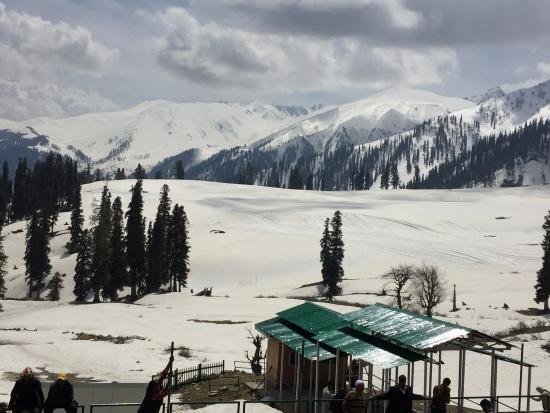
Late spring to early autumn offers pleasant weather and fully open roads to Srinagar and hill stations. Summers bring greenery, blooming gardens and comfortable temperatures compared to the plains. Winters can be magical with snow, but road access may be disrupted by heavy snowfall or avalanches; if travelling in winter, monitor weather and road bulletins closely.
Monsoon and landslide risks
The monsoon can cause landslides and slushy conditions in certain stretches. If travelling during or just after heavy rains, keep flexible plans and allow extra time for delays.
Booking and practical tips
Small preparations save headaches. Here are actionable tips for a smooth rail-plus-road journey.
Train reservations and tickets
- Book early, especially for weekends, festival seasons and the Vaishno Devi pilgrimage peak periods.
- Check quotas and current train routes; sometimes special trains are scheduled for festivals.
- Carry physical and digital ID proofs for ticket checks and security clearances.
Packing and comfort
- Carry layered clothing—temperatures change between the plains and higher altitudes.
- Bring basic medications, motion-sickness tablets if you are prone to car sickness, and a small first-aid kit.
- Keep snacks and water for the road leg; while there are dhabas and stops en route, choices may be limited in some stretches.
Safety and security
There are routine security checks in and around Katra and along the Jammu–Srinagar route. Cooperate with authorities, carry ID, and avoid unregulated taxis. For night travel, prefer drivers with experience on mountain roads or choose to travel during daylight.
On-the-road experiences and stops worth considering
The drive from Katra to Srinagar can be a highlight if you plan a few meaningful stops.
- Scenic viewpoints: There are several viewpoints along the way—pull over safely to take in the vistas and photographs.
- Local towns: Small towns on the route offer local snacks, tea and a glimpse of regional life.
- Hill stations and short detours: If time permits, consider short detours to nearby hill stations or picnic spots; discuss with your driver while planning.
Connectivity, money and amenities
Mobile connectivity improves in many stretches but can be patchy in remote areas. Carry sufficient cash as some small vendors may not accept cards. ATMs are available in larger towns but not at every stop—withdraw in advance where convenient.
Sustainable and respectful travel
When travelling through religious sites and sensitive ecological zones, respect local customs and follow Leave No Trace principles. Avoid plastic litter, ask before photographing locals, and support local businesses where possible.
Tip: If your itinerary mixes pilgrimage and leisure, factor in downtime. Vaishno Devi involves physical exertion and crowds—rest adequately before setting out on the road to Kashmir.
Sample itinerary ideas
Here are a couple of realistic itinerary frameworks that combine rail travel via Katra and a Kashmir visit:
- Arrive by overnight train to Katra; rest and complete Vaishno Devi yatra; next morning start by road to Srinagar, stopping en route; spend 3–4 days exploring Srinagar and nearby attractions.
- Arrive and do a short Katra stay (1–2 days) for the yatra; drive to a nearby hill station for a night; continue to Srinagar for a longer valley itinerary including Gulmarg, Pahalgam or Sonamarg.
Final checklist before you leave
- Train tickets and PNR confirmation.
- ID proofs and any necessary permits.
- Contact numbers for your pickup taxi or hotel.
- Essential medicines, chargers and power bank.
- Weather-appropriate clothing and comfortable walking shoes.
Travelling to Kashmir via Katra offers a blend of devotion and discovery: a rail journey that reduces fatigue, a historic pilgrimage experience, and a dramatic road entry into one of India’s most beautiful regions. With sensible planning—bookings in advance, weather awareness, and realistic timing—you can turn this combined route into a smooth and unforgettable travel experience.