Stok Palace Museum: The Royal Home of Ladakh
Explore Stok Palace Museum in Ladakh — a living royal residence turned museum showcasing Ladakhi royal artifacts, thangkas, coronation robes and more, set against the dramatic Indus valley backdrop.
By TravMe Holidays travel team · · Updated · 6 min read
Perched on a gentle rise above the Indus River near Leh, Stok Palace Museum offers an intimate glimpse into Ladakh's royal past. Less crowded than many Himalayan attractions, this museum sits within a lived-in palace where the former royal family still lives, allowing visitors to experience authentic Ladakhi history, art and ritual objects in a warm, personal setting.
Why visit Stok Palace Museum?
Stok Palace Museum is more than a repository of antiques. It is a cultural window into the courts of Ladakh: the princely lineage, their ceremonial life and the artistic traditions shaped by Tibetan Buddhism and Himalayan geopolitics. For travellers who want context alongside artefacts, Stok delivers — with painstakingly preserved royal garments, coronation paraphernalia, Buddhist icons, thangkas and family photographs that together tell a coherent story of a region at the crossroads of cultures.
Brief history and royal context
The Stok royal family played a central role in Ladakh's modern history. Though Ladakh's kingship system ceased its political role after integration into India, the family remained a respected custodian of local traditions. The palace itself was built by members of the royal household and was later adapted to include museum galleries. Today it balances the dual function of being a private residence and a public museum, preserving household heirlooms and sacred objects that are otherwise rarely displayed.
The lineage and legacy
Visitors will notice the blend of secular regalia and religious items — a reflection of how Ladakhi rulers traditionally combined temporal authority with spiritual patronage. Family portraits, ceremonial swords, royal coats and coronation robes reveal the pomp and pageantry of Ladakhi court life, while the extensive collection of thangkas and ritual implements betrays the deep-rooted Buddhist devotional fabric that defined governance and culture.
What to see inside the museum
Stok Palace Museum's holdings are compact but carefully curated. Exhibits are arranged to convey both daily life in the palace and the ritual dimensions of Ladakhi royalty.
- Royal garments and regalia: Coronation robes, formal hats and embroidered coats used during important ceremonies. The textiles display traditional Tibetan-influenced motifs and fine needlework.
- Thangkas and religious art: Delicate painted thangkas depicting deities, protectors and mandalas. These are often ritually consecrated and used in private chapels.
- Sacred implements: Ritual bells, dorjes, butter lamps and other liturgical objects that reflect the palace’s role as a religious patron.
- Photographs and letters: Archival photographs of the royal family, their interactions with British and Indian officials, and letters that provide context to Ladakh’s 20th-century transitions.
- Household items and antiques: Silverware, furniture and Himalayan crafts that illustrate the daily lifestyle and aesthetic preferences of the royal household.
Highlights not to miss
- The coronation robe — often the most photographed piece due to its fine embroidery and colours.
- A set of rare thangkas with pristine pigments and detailed iconography.
- The palace chapel, if accessible — a tranquil space where royal devotion is still practised.
Practical information for visitors
Planning ahead will help you make the most of a visit to Stok Palace Museum. The museum is close to Leh, but travel in Ladakh demands time and acclimatisation.
Location and access
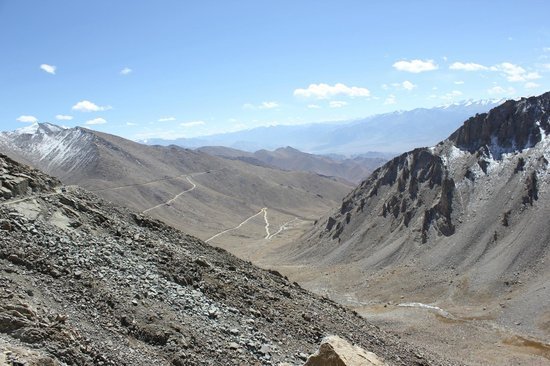
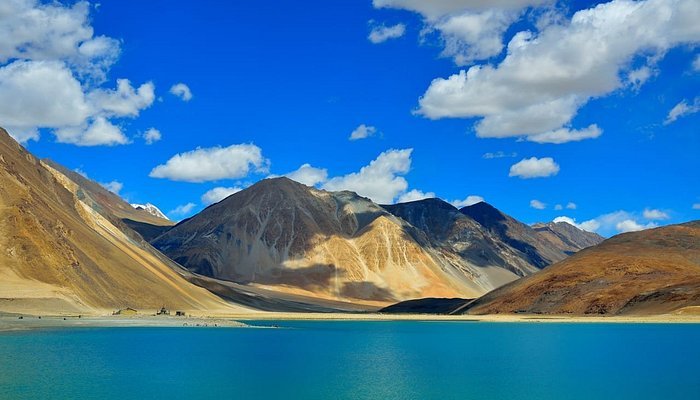
Stok Palace is located about a short drive from Leh town along the Indus River valley. The road is well-travelled and the journey offers sweeping views of barren mountains and riverine plains. Many travellers combine the visit with a trip to Stok Monastery or nearby nomadic camp sites.
Opening hours and entry
Opening times can be seasonal and are often adjusted to local needs and religious schedules. It is best to check locally in Leh or ask your hotel or travel agent in advance. As this is a small, partly private museum, note that organised group visits or photography permissions may require prior notice.
Entry protocol and etiquette
- Dress respectfully. Modest clothing that covers shoulders and knees is advisable, especially if you plan to see the chapel.
- Ask before photographing inside display rooms or the palace precincts. Some ritual objects may be sensitive and off-limits for photos.
- Maintain a quiet, respectful demeanour. The palace is still a living household and a place of worship.
- Tip or purchase a guidebook if offered — it supports local custodians and helps preservation efforts.
Best time to visit
Ladakh’s tourism season runs mainly from late spring to early autumn. The summer months offer the most reliable road access and clearer skies. Winters bring heavy snowfall, limited road connectivity and chilly conditions that make sightseeing difficult. Early morning light enhances photography opportunities, with the palace and the Indus valley glowing against arid mountains.
How to include Stok Palace in your Ladakh itinerary
Stok Palace Museum fits comfortably into a Leh-centric itinerary or as a gentle stop en route to higher passes and monasteries. Here are a few ways to include it:
- Half-day visit from Leh: Combine the museum with Stok Monastery and a short village walk to experience local life.
- Photography-focused tour: Visit mid-morning to catch soft light on the palace facade, then drive to nearby vantage points by the Indus for sunset shots.
- Cultural day: Pair your visit with Leh Palace, Shanti Stupa and the bustling Leh market to get historical, spiritual and contemporary perspectives of Ladakh.
Nearby attractions and experiences
Stok makes an excellent base for a handful of local experiences.
- Stok Monastery: A short walk from the palace, the monastery offers ritual performances and a chance to observe monastic life.
- Stok Kangri trekking area: For seasoned trekkers, the approaches near Stok lead toward higher alpine terrain and base camps.
- Local homestays and cafes: Small guesthouses and family-run cafés offer Ladakhi hospitality and home-cooked meals — a good way to support local livelihoods.
Accessibility and comfort tips
Altitude is the key consideration when visiting Stok. Leh sits at high elevation and even a short trip to Stok involves similar heights. Allow at least 48 hours in Leh to acclimatise, hydrate well, avoid heavy exertion and carry basic medication for altitude-related discomfort.
On-site comforts
The palace and museum are modest in amenities. Wear comfortable shoes for uneven floors and narrow staircases. Pack a light jacket — temperature swings between sun and shade can be significant. Carry water and any required snacks, though there are small shops and teahouses nearby in peak season.
Supporting conservation and respectful tourism
Stok Palace Museum is a fragile cultural resource. Your visit can contribute positively by following these simple steps:
- Follow signage and staff instructions — do not touch delicate textiles or thangkas.
- Prefer local guides and services to larger external operators so benefits remain in the community.
- Buy local crafts or books if available; proceeds often help maintenance of the museum collection.
- Share photographs and stories responsibly — credit local custodians and avoid sharing images of sacred rituals without permission.
Visiting Stok Palace Museum is as much about connection as observation. The quiet dignity of the place rewards slow, attentive travel.
Final tips and recommended itinerary
Plan a relaxed visit, especially if you are acclimatising in Leh. A suggested half-day schedule could look like this:
- Morning: Depart Leh after breakfast, reach Stok and spend 60–90 minutes at the museum and palace grounds.
- Late morning: Walk to Stok Monastery and enjoy a tea at a nearby homestay.
- Afternoon: Return to Leh or continue to nearby trekking trails or villages for sunset photography along the Indus.
Conclusion
Stok Palace Museum is an understated gem in Ladakh — intimate, authentic and filled with stories that deepen an understanding of the region’s royal and religious life. For travellers who prefer meaningful cultural encounters over crowded spectacle, a visit here enriches any Ladakh itinerary. Respectful curiosity, a willingness to listen and a gentle pace will leave you with memories of a place where history is still lived, not just displayed.