Staying in Homestays in Ladakh: A Complete Guide
Discover why homestays in Ladakh are the best way to experience local culture, tips for booking, acclimatisation, etiquette, practical packing and responsible travel advice to make your stay smooth and memorable.
By TravMe Holidays travel team · · Updated · 5 min read
Choosing a homestay in Ladakh transforms a trip from sightseeing into a warm cultural exchange. From rooftop tea sessions under clear Himalayan skies to sharing meals with local families, homestays offer authenticity, comfort and an insight into Ladakhi life that hotels rarely match. This guide covers everything you need to know—where to stay, how to prepare, and how to be a respectful guest.
Why Choose a Homestay in Ladakh?
Homestays in Ladakh provide more than a bed: they offer context. Hosts often share stories about local customs, explain Buddhist practices, teach cooking or weaving, and introduce guests to off-the-beaten-path hikes and viewpoints. Staying with locals also supports local economies directly and encourages sustainable tourism models that preserve Ladakh’s fragile environment and culture.
Where to Find the Best Homestays
Ladakh’s homestays vary by region, each with its own advantages.
- Leh town: Convenient for acclimatisation and services, Leh homestays are ideal for first-night rests, exploration of markets and monasteries, and arranging permits and transport.
- Nubra Valley: Known for its sand dunes and highland villages, homestays here offer rustic charm, gentle walks and opportunities to meet Shyok and Nubra communities.
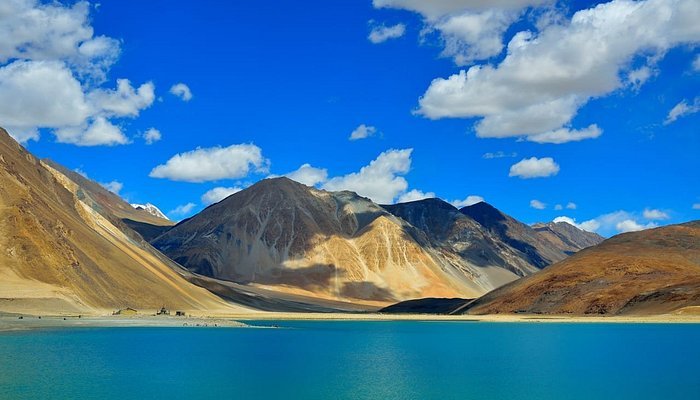
- Pangong Tso and Surrounds: Family-run homestays near Pangong are perfect for early-morning lake visits and long, peaceful evenings under the stars.
- Tso Moriri: Quieter than Pangong, homestays around Tso Moriri are for birdwatchers and travellers seeking serenity and high-altitude culture.
- Zanskar and Remote Villages: For the adventurous, these homestays offer deep cultural exchange and access to dramatic trekking routes; facilities are basic but authentic.
Types of Homestays and Facilities to Expect
Homestays range from simple guest rooms in family homes to larger guesthouses with several rooms. Facilities may include:
- Heated rooms or traditional kall stone stoves (sometimes both)
- Shared or attached bathrooms—expect variations in water availability
- Communal dining areas and rooftop terraces
- Charging points (often limited) and intermittent Wi-Fi
- Local guides or hosts who can arrange treks, pony rides, or cultural activities
Booking Tips and When to Go
Peak season in Ladakh is summer and early autumn when roads are open and weather is milder. Book homestays in advance if you plan to travel during this window, especially around popular spots like Pangong. For remote areas, inform hosts about your arrival time—roads, conditions and travel schedules are unpredictable.
- Use trusted booking platforms, official local networks or direct referrals from other travellers.
- Confirm essential details—meals, bathroom arrangements, heating, and whether the host can meet you on arrival.
- Ask about power availability and whether hot water is provided at a set time.
Permits and Practicalities
Certain areas of Ladakh require permits for Indian and foreign nationals. Leh is a permit hub; if you plan to visit Nubra, Pangong, or other restricted zones, ensure permits are arranged. Hosts often help with paperwork or advise where to obtain permits.
- Carry multiple ID copies and any permit documentation.
- Keep some cash in small denominations; ATMs are limited outside Leh and may not always be functional.
- Power cuts are common—carry a power bank and warm batteries for cameras.
Acclimatisation and Health Considerations
Altitude sickness is a real risk. The best practice is to spend the first 24–48 hours in Leh (3,500 m) doing minimal exertion, drinking plenty of fluids, and avoiding alcohol. Homestays are an excellent place to rest and monitor how you feel.
- Inform hosts if you feel unwell—many have local contacts and know where to get medical help.
- Pack a basic altitude sickness kit and consult your doctor before travel.
- Move slowly on hikes and allow extra time for walking and driving at altitude.
Food and Dining Etiquette
Homestay meals are a highlight—hearty, simple and made with local ingredients. You’ll commonly be served thukpa, momos, locally reared yak or mutton dishes, and barley-based staples. Hosts appreciate polite compliments and even small offers to help with serving or dishwashing.
- Inform hosts about dietary restrictions in advance—many will gladly accommodate vegetarian diets, but options can vary in remote areas.
- Accepting tea or snacks when offered is a good gesture and opens conversation.
Local Etiquette and Cultural Respect
Being a respectful guest enhances your experience and preserves cultural ties. Simple gestures go a long way.
- Remove shoes before entering living spaces unless the host says otherwise.
- Dress modestly when visiting homes or monasteries.
- Ask before photographing people, religious sites, or ceremonies.
- Learn a few local phrases—“Jullay” (a friendly greeting) is appreciated.
Safety, Security and Responsible Travel
Safety in Ladakh is generally good, but conditions are dynamic due to weather and terrain. Follow practical safety steps:
- Share your itinerary with hosts and family; keep local emergency numbers and host contacts handy.
- Use licensed drivers and confirmed transport for long distances—roads can be challenging.
- Respect the environment: avoid littering, use refillable water bottles where possible, and support homestays that practise sustainable habits.
Tip: Bring eco-friendly toiletries and avoid single-use plastics to minimise your footprint in Ladakh’s fragile environment.
Packing Essentials for a Homestay Stay
Packing right makes homestay life comfortable. Key items include:
- Warm, layered clothing, thermal innerwear and a windproof jacket
- Good walking shoes and warm socks
- Hat, sunglasses and high-SPF sunscreen (sun at altitude is strong)
- Personal medications, basic first-aid kit and any special dietary supplements
- Power bank, universal adapter and spare camera batteries
- Reusable water bottle with purification tablets if you prefer
Connecting with Hosts and Making the Most of Your Stay
Homestays are about relationships. Arrive with curiosity and an open mind. Ask hosts about daily routines, local festivals and family histories. Offer to help in small ways—joining in meal prep or farm chores can be rewarding and provides authentic interaction that benefits both guest and host.
Conclusion
Staying in a homestay in Ladakh is a gateway to deep cultural experiences, unforgettable hospitality and unique landscapes. With the right preparation—respect for local customs, careful packing, attention to acclimatisation and responsible travel practices—you’ll leave with meaningful memories and support the communities that make Ladakh so special. Plan ahead, be flexible, and let the warmth of Ladakhi homes enrich your journey.