Srinagar to Leh Highway: Route, Stops and Travel Tips
A practical, route-focused guide for driving or riding the Srinagar–Leh highway, covering major stops, road conditions, acclimatisation advice, permits and smart tips to make your Ladakh overland journey safe and memorable.
By TravMe Holidays travel team · · Updated · 8 min read
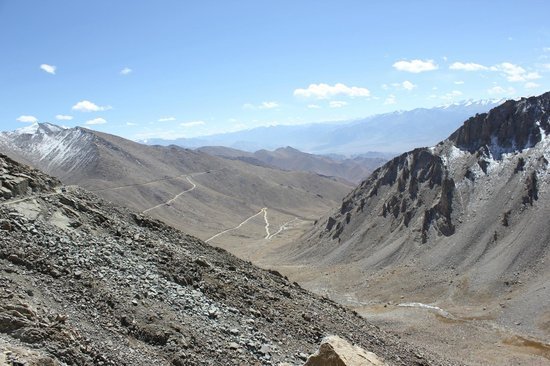
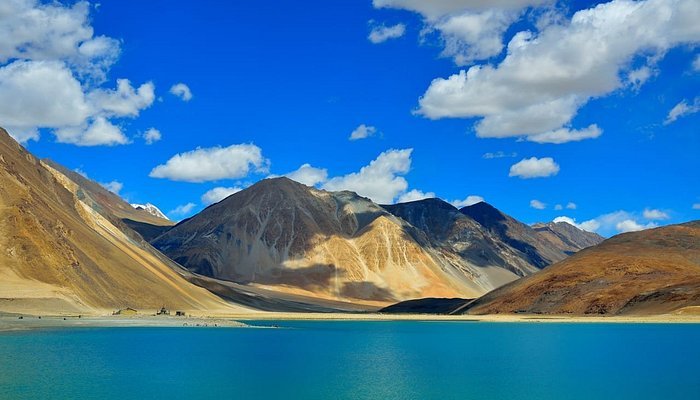
The Srinagar–Leh highway is one of the most dramatic high-altitude roads in India, threading through alpine meadows, stark mountain ranges and historic towns on its way to the high plateau of Ladakh. Whether you are planning a road trip on a motorcycle, a self-drive in a SUV or a comfortable drive with a chauffeur, this guide explains the route, recommended stops, practical tips and safety advice to help you enjoy the journey without surprises.
Overview of the Route
The Srinagar–Leh highway connects Srinagar in the Kashmir Valley to Leh, the administrative capital of Ladakh. The road climbs out of verdant Kashmir through high mountain passes, crosses the Indus and Zanskar valleys, and delivers travellers to the cold desert of Ladakh. The typical road length is around 420–430 km and can take 10–14 hours of driving depending on conditions, but most travellers break the trip into two or three days to acclimatise and explore.
Key stretches and landmarks
- Srinagar to Sonamarg — green valley, river views and the gateway to the higher passes.
- Zoji La pass — the first major high pass that opens the route into Ladakh’s rain-shadow region.
- Drass and Kargil — historical towns with war memorials and essential services like fuel and eateries.
- Lamayuru and Moonland — lunar-like landscapes and ancient monasteries, a great place to rest.
- Fotu La and the Indus valley — the final climb and descent into the Leh region.
How to Plan Your Journey: Timing and Road Access
The highway is generally open in summer and autumn, typically from late May or early June until October, but exact opening and closing depend on winter snow and spring clearance. Monsoon and unseasonal snow can also affect accessibility, so always check local updates before departure.
Best time to travel
- June to September: prime months with clearer roads, mild daytime temperatures and most services open.
- May and October: shoulder months — quieter but weather can be unpredictable and some facilities may be closed.
Road conditions
Road quality varies along the route — some stretches are newly surfaced while others are narrow, potholed or subject to landslides. Expect single-lane diversions, military convoys and repair work. Snowmelt in early summer and late-season rains can create water crossings and slush. Drive conservatively and plan for delays.
Stops You Shouldn’t Miss
Breaking the journey into two or three days allows time for acclimatisation and sightseeing. Here are popular overnight stops and attractions en route.
Sonamarg
A scenic first stop with meadows and glacier-fed rivers. Good for a breakfast stop, local short walks and checking vehicle readiness before the high passes.
Drass
Known as one of the coldest inhabited places, Drass has basic accommodation and food, and a poignant war memorial. It’s a practical stop for fuel and to rest if you prefer a relaxed pace.
Kargil
A major town with hotels, restaurants, medical facilities and multiple petrol pumps. Kargil is a sensible overnight stop if you want to split the trip evenly and explore local monasteries and markets.
Lamayuru
Famous for its moonlike landscapes and a centuries-old monastery, Lamayuru is a delightful stop before the final stretch to Leh. Time your visit for the monastery prayer and the dramatic sunset over the folds of rock.
Mulbekh and Fotu La
Small settlements where you can stretch your legs and enjoy panoramic mountain views. Fuel availability is limited beyond Kargil, so top up when you can.
Permits, Identity and Border Checks
Passing through military zones and sensitive areas means you will encounter armed checkpoints. Carry valid identity documents for all travellers. Requirements vary with nationality and the latest rules, so confirm current permit rules before you leave.
- Indian nationals: always carry government-issued photo ID and vehicle documents. Check local guidance on any inner-line or regional permits for certain border zones.
- Foreign nationals: usually need Protected Area Permits (PAP) to enter Ladakh. Permits can be arranged through authorised travel agents or at certain government offices; check the latest regulations well in advance.
Health and Acclimatisation
The road climbs rapidly from valley altitudes to high plateaus; altitude sickness is the most common health risk. Allow time to acclimatise and watch for early symptoms.
Practical acclimatisation advice
- Plan at least one full rest day in Leh before undertaking strenuous activity.
- Stay hydrated, eat light meals and avoid alcohol and smoking during ascent.
- Recognise symptoms: headache, nausea, dizziness, shortness of breath and poor sleep. If symptoms worsen, descend to a lower altitude and seek medical help.
- Consider carrying Diamox (acetazolamide) after consulting your doctor; it can aid acclimatisation for some travellers.
- Portable oxygen cylinders and pulse oximeters are useful additions for travellers with health concerns or for group trips.
Tip: Avoid pushing too far on your first day. A relaxed schedule reduces the odds of acute mountain sickness and makes the journey more enjoyable.
Vehicle Choices and Preparation
Choose a vehicle that suits the route and your comfort level. Many Indian travellers opt for motorcycles, SUVs or tempo travellers for group trips.
Vehicle recommendations
- Motorbikes (350–500cc or higher): popular for the freedom they offer; suitable for experienced riders comfortable with high-altitude riding and variable surfaces.
- High-clearance SUVs: preferred for families and those who want a more comfortable ride over rough patches.
- Taxi or private car with experienced driver: a good option if you want to relax and enjoy the scenery.
Pre-trip checks
- Service brakes, clutch, suspension and battery; check tyre condition and pressure (altitude affects pressure).
- Carry a basic tool kit, puncture repair kit and spare tyre. For bikes, carry spare tubes and essential spares.
- Fuel planning is crucial: petrol stations are limited between Kargil and Leh; top up whenever possible and consider carrying extra fuel in an approved canister.
Safety, Driving Tips and Road Etiquette
Safe driving ensures a pleasant trip for everyone. Mountain driving requires patience, respect for local rules and attention to changing road conditions.
On the road
- Drive slowly over passes and in narrow sections. Use low gears for steep ascents and descents.
- Watch for military convoys and follow instructions from officials; do not overtake convoys and maintain safe distance.
- Be cautious of oncoming traffic on blind corners. Use the horn sparingly and signal clearly.
- Avoid night driving; visibility and roadside assistance are limited after dark.
Local etiquette
- Respect local customs near monasteries and religious sites — dress modestly and ask before photographing monks or prayer rituals.
- Leave no trace: dispose of rubbish responsibly and avoid burning non-biodegradable waste.
Connectivity, Cash and Facilities
Connectivity and services improve as you approach Leh, but gaps remain along the highway.
- Mobile networks: BSNL often provides broader coverage across remote stretches; private operators may have pockets of coverage near towns.
- ATMs and card acceptance: available in Srinagar, Kargil and Leh; carry sufficient cash for interim stops. Many small dhabas still prefer cash.
- Fuel and food: petrol pumps are reliably available in major towns like Kargil and Leh; small settlements have limited supplies. Carry snacks, water and a filled thermos for long stretches.
Sample 3-Day Itinerary
This sample splits the journey for acclimatisation and sightseeing while keeping daily driving durations reasonable.
- Day 1: Srinagar to Kargil — stop at Sonamarg, cross Zoji La, quick stops at Drass and reach Kargil; explore local markets and stay overnight.
- Day 2: Kargil to Lamayuru/Alchi — visit Kargil war memorial in the morning, drive towards Lamayuru via Mulbekh and Fotu La, explore Lamayuru monastery and stay local.
- Day 3: Lamayuru to Leh — relaxed morning at the monastery, final drive to Leh; take an acclimatisation day in Leh on arrival before any higher excursions.
Packing Checklist
Pack for altitude, cold evenings and brief warm spells during the day.
- Layered clothing: thermal liners, fleece, windproof jacket and a warm down jacket for nights.
- Headlamp, sunglasses with UV protection and sunscreen; high altitudes mean stronger sun exposure.
- Medications: basic first-aid kit, altitude medication if prescribed, personal prescriptions and diarrhoea remedies.
- Water purification tablets or a filter, power bank for electronics, plug adapters and spare batteries.
- Copies of permits, ID, driving licence and vehicle papers in waterproof folders.
Food and Accommodation Options
You will find simple dhabas and cafes serving hot meals along the route. In towns like Kargil and Lamayuru, guesthouses and hotels range from basic to comfortable. Leh offers everything from budget guesthouses to boutique hotels and homestays.
Dietary tips
Keep meals light and easily digestible while ascending. Local Ladakhi cuisine such as thukpa, momos, butter tea and barley-based dishes are nourishing and readily available in Leh and larger stops.
Emergency Preparedness
Carry a basic emergency plan: inform someone of your itinerary, carry a physical map in case GPS fails, and have local emergency numbers saved. Travelling with a group or local guide increases safety, especially in uncertain weather conditions.
Final Words
The Srinagar–Leh highway is both a physical journey and an emotional one — a route where landscapes shift dramatically and small towns welcome travellers with warmth. With careful planning, respect for altitude and local rules, and the right equipment, this road delivers an unforgettable introduction to Ladakh’s stark beauty. Take your time, prioritise safety, and let the changing vistas be a slow, memorable part of the adventure.
Happy and safe travels from TravMe Holidays — may your Ladakh road trip be clear, scenic and full of discovery.