Shey Palace and Its Giant Buddha Statue
Explore Shey Palace near Leh, home to Ladakh's giant Shakyamuni Buddha, with history, architecture, travel tips, best time to visit, and nearby attractions for a memorable high-altitude experience.
By TravMe Holidays travel team · · Updated · 6 min read
Perched on a gentle ridge a short drive from Leh, Shey Palace and its colossal Shakyamuni Buddha offer a fascinating glimpse into Ladakh’s royal past, Buddhist devotion, and Himalayan artistry. This site is both historically significant and visually striking — an essential stop on any journey through the high-altitude landscapes of Ladakh.
Quick overview: What is Shey Palace?
Shey Palace was once the summer residence of Ladakh’s kings and later a monastic complex. The most remarkable feature is the giant gilded statue of Shakyamuni Buddha seated within the temple, flanked by smaller figures and surrounded by colourful murals. The current shrine preserves centuries-old artistic traditions and serves as an active religious site for locals and visiting pilgrims.
History and cultural significance
Shey was historically the capital of Ladakh before the rise of Leh. The palace complex dates back several centuries, with significant development under the Namgyal dynasty. The giant Buddha was commissioned as a symbol of peace and royal patronage of Buddhism. Over time the palace and monastery have seen cycles of construction, neglect and restoration, reflecting the region’s changing political and religious landscape.
Royal connections
The palace served as the seat of Ladakhi rulers during certain seasons and was an important administrative and ceremonial centre. Royal patronage ensured that artisans and monks embellished the temple with intricate murals, sculptures and ritual paraphernalia — much of which survives in various conditions today.
Religious importance
The Shakyamuni Buddha at Shey is a focal point for devotees, especially during local festivals and rituals. Monks conduct daily prayers and rituals, and visitors often witness the saffron-robed clergy performing ceremonies. The statue’s iconography and surrounding reliefs adhere to Tibetan Buddhist artistic conventions and are valuable for understanding regional variants of Himalayan Buddhism.
Architecture and the Giant Buddha
Shey Palace blends secular and sacred architecture. From the exterior, the complex looks like a fortress-like structure with whitewashed walls and red ochre bands typical of Ladakhi palaces. Inside, the temple houses the majestic Shakyamuni statue, gilded and serene, set against a backdrop of frescoes and prayer niches.
The statue
The Shakyamuni is notable for its scale and craftsmanship. Seated in the traditional meditative posture, the figure is richly decorated with gold leaf, semi-precious stones and detailed robes. The expression is calm and compassionate, intended to inspire devotion and reflection. The statue’s size and ornamentation make it an outstanding example of Himalayan Buddhist sculpture.
Murals and artifacts
Surrounding the statue are wall paintings depicting Buddhist cosmology, deities, and scenes from the life of the Buddha. Several ritual objects, thangka paintings and ancient manuscripts are preserved, though conservation is an ongoing challenge due to altitude, temperature variation and limited resources.
Getting there and practicalities
Shey Palace lies about 15–18 kilometres from Leh town, along the main highway toward the Indus Valley and parts of eastern Ladakh. The drive takes roughly 30–45 minutes depending on road conditions and traffic. Visitors commonly reach Shey as part of a half-day circuit that includes Thiksey Monastery and Stok Palace.
By road
- Private car or taxi from Leh: The most convenient option; drivers usually know the route and can wait or return later.
- Shared taxis and local buses: Available but less frequent; check schedules in Leh and be prepared for waits.
Permits and entry
Indian nationals do not need special permits for Shey beyond standard identification checks in Ladakh. Foreign nationals travelling to certain border areas of Ladakh require Inner Line Permits (ILP). If you are following a longer itinerary that crosses restricted zones, confirm permit requirements with local authorities or your tour operator before travel.
Opening hours and etiquette
The temple is usually open during daylight hours, but exact times can vary by season and by monastic schedule. Dress modestly, remove footwear before entering the prayer halls, and request permission before photographing the interior or monks. Keep noise levels low and respect ongoing rituals.
Best time to visit
Ladakh’s tourist season runs from late spring to early autumn. The most pleasant months for visiting Shey are June to September when roads are open and temperatures are moderate. Winters are harsh, with heavy snow and very low temperatures; many facilities close and some roads are inaccessible.
Seasonal considerations
- Summer (June–September): Mild days, chilly nights, full accessibility, peak tourist season.
- Shoulder seasons (May and October): Cooler, fewer crowds, but weather can be unpredictable.
- Winter (November–April): Cold and snowy, limited services; not recommended for casual travellers.
Altitude and health precautions
Shey sits at high altitude, similar to Leh (around 3,500 metres). Visitors must acclimatise properly to avoid acute mountain sickness (AMS). Arrive in Leh and rest for at least 24–48 hours before visiting sites like Shey. Hydrate well, avoid strenuous activity initially, and consider medications for altitude only after consulting a doctor.
Practical health tips
- Carry a basic first-aid kit and any personal medication.
- Avoid alcohol and heavy meals during the first day or two.
- Move slowly and pay attention to symptoms such as headache, nausea or breathlessness; descend if symptoms worsen.
Photography and visuals
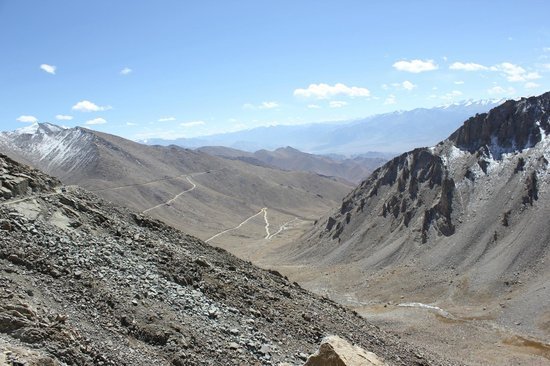
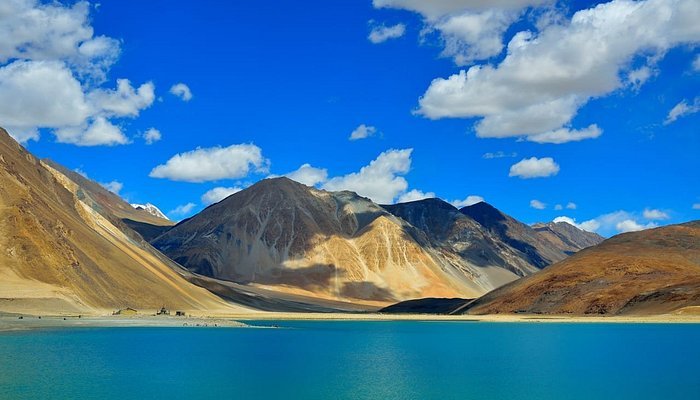
Shey Palace and the giant Buddha are visually striking. Exterior shots of the palace against the backdrop of the Indus Valley and rugged peaks make great compositions. Inside, light can be dim; ask permission before using flash. Respect signs and the wishes of monks: in some areas photography may be restricted to preserve artefacts and the sanctity of the space.
Nearby attractions and combined itineraries
Shey is commonly visited together with other cultural sites near Leh. A convenient circuit includes:
- Thiksey Monastery — a large, scenic gompa with its own impressive assembly hall and panoramic views.
- Stok Palace and Museum — home to the Ladakhi royal family’s museum collection and a glimpse into local history.
- Leh Palace — an imposing medieval structure overlooking Leh, offering great views of the town and surrounding peaks.
- Indus Valley drives — the route itself is scenic, with opportunities for photography and short walks.
Accommodation and staying near Shey
Leh is the main base for accommodation, from guesthouses and homestays to luxury hotels. Staying in Leh gives you easy access to Shey and other sites while allowing time to acclimatise. For a quieter stay, look for boutique guesthouses in nearby villages, but check for basic amenities and heating, especially outside peak season.
Responsible travel and conservation
Shey Palace and its artifacts are sensitive to environmental stress and visitor pressure. Help conserve the site by following these guidelines:
- Do not touch frescoes, statues or ritual objects.
- Carry out any litter and avoid plastic where possible.
- Respect monastic schedules and community customs; support local guides and handicrafts ethically.
Visiting Shey is as much about quiet reflection as it is about sightseeing — move with curiosity and respect, and the place reveals itself in layers.
Tips for a memorable visit
- Plan your visit in the morning to avoid afternoon crowds and to get softer light for photographs.
- Hire a local guide to gain historical context and insights into the murals and ritual life.
- Combine Shey with Thiksey and Leh Palace for a full cultural day that minimises travel time.
- Carry cash in small denominations; some local vendors and temple donations may not accept cards.
- Learn a few local courtesies: a simple namaste, removing shoes, and speaking softly go a long way.
Conclusion
Shey Palace and its giant Shakyamuni Buddha are essential to understanding Ladakh’s royal history and spiritual life. The site offers a rich blend of art, architecture and devotion set against the dramatic backdrop of the Himalaya. With proper acclimatisation, respectful behaviour and thoughtful planning, a visit to Shey becomes a serene, memorable highlight of any Ladakh trip.