First-Timer's Guide to Planning a Seven Sisters Holiday
Practical first-timer’s guide to planning a trip to Seven Sisters (Nohsngithiang Falls) in Meghalaya — when to go, how to get there, where to stay, suggested itineraries and responsible travel tips.
By TravMe Holidays travel team · · Updated · 7 min read
Seven Sisters Falls (locally known as Nohsngithiang) is one of Meghalaya’s most spectacular waterfalls, cascading in seven elegant streams over a steep cliff near Cherrapunji (Sohra). For first‑time visitors, the falls are easy to pair with classic Khasi Hills experiences — misty viewpoints, root bridges, living landscapes and warm local hospitality. This guide will help you plan a relaxed, safe and memorable Seven Sisters holiday from travel logistics to packing lists and insider tips.
Why visit Seven Sisters?
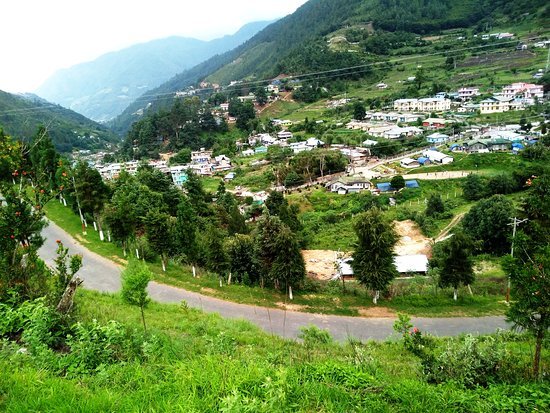
Seven Sisters is iconic for its multi‑stream drop and the dramatic backdrop of the Shillong Plateau. The falls are especially photogenic during and just after the monsoon, when multiple ribbons of water thunder down the rock face. Beyond the waterfall itself, the region offers an immersive experience of Meghalaya’s living root bridges, caves, unique flora and Khasi culture. It’s a great pick if you want accessible adventure without long treks.
Best time to go
Timing matters for weather, accessibility and views.
- Post‑monsoon (September–November): Often the best compromise — water levels remain impressive while roads and viewpoints are less muddy. Days are clear and mornings often offer dramatic mist.
- Monsoon (June–August): Spectacular falls at their fullest, but heavy rain can make some viewpoints and trails slippery or inaccessible. Travel during this season requires flexibility.
- Winter (December–February): Cooler and drier, with clearer skies. Falls may be reduced in volume but the landscape remains beautiful.
- Spring (March–May): Pleasant temperatures and blooming rhododendrons higher up. Water flow is moderate.
Getting there
Seven Sisters Falls is located near Cherrapunji (Sohra), in East Khasi Hills district of Meghalaya. Most travellers use Shillong or Guwahati as gateways.
From Guwahati
Guwahati (Assam) is the major transport hub: an international airport, railway connections and good road links. From Guwahati, the drive to Cherrapunji takes roughly 3.5–5 hours depending on traffic and weather. Shared taxis and private cabs are available; many travellers prefer to hire a car with a local driver familiar with Shillong‑Cherrapunji roads.
From Shillong
Shillong is the closest major town (about 1.5–2 hours by road). Shillong has frequent state and private buses, taxis and car hire options. Staying a night or two in Shillong before heading to Seven Sisters helps with acclimatisation and local orientation.
Local transport
Once you reach Cherrapunji, the falls are a short drive away; some viewpoints have parking for cars and buses. Walking paths and short downhill walks may be required for the best viewpoints — wear good footwear. Public transport options inside Cherrapunji are limited; pre‑booked taxis are convenient for a day of sightseeing.
Permits, safety and local rules
For most domestic travellers no special permits are required to visit Seven Sisters. However, some sensitive areas in Meghalaya require permissions for foreigners; check current regulations if you are a non‑Indian national. Keep these safety points in mind:
- Weather changes quickly — carry rain gear and warm layers.
- Stay behind barriers at viewpoints. Rocks near waterfalls are slippery; avoid getting too close to the edge.
- If trekking to lesser‑known spots, inform your accommodation or driver and travel with a guide where paths are unclear.
- Mobile connectivity can be patchy; download maps and share your plans with someone.
Where to stay
Accommodation options range from guesthouses and homestays to comfortable hotels. Popular bases are:
- Cherrapunji (Sohra): Closest base to Seven Sisters and many natural attractions. Local stays give quick morning access to viewpoints.
- Shillong: More dining and nightlife options; useful if you prefer a city base and day‑trip to the falls.
- Local homestays in villages: A great way to experience Khasi hospitality and home‑cooked food, often arranged through local tourism networks.
Suggested itineraries
Choose the itinerary that matches your pace and time.
Weekend (2 days)
- Day 1: Arrive Shillong; explore Police Bazar and local cafés. Overnight in Shillong.
- Day 2: Early drive to Cherrapunji; visit Seven Sisters Falls, Eco Park viewpoints, Mawsmai Cave, and Nohkalikai Falls; return to Shillong or stay overnight in Cherrapunji.
Long weekend (3–4 days)
- Day 1: Arrive Guwahati/Shillong; transfer to Cherrapunji and relax. Overnight in Cherrapunji.
- Day 2: Full day visiting Seven Sisters Falls, Nohkalikai, Mawsmai Cave, and local living root bridge viewpoints.
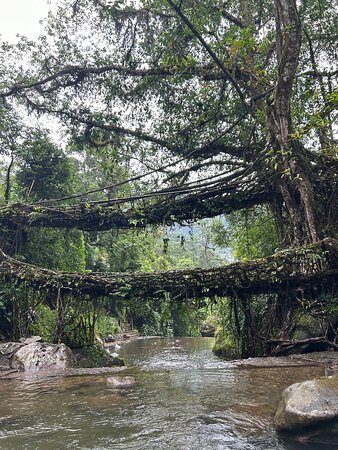
- Day 3: Trek to Nongriat (if fit) to see the Double Decker Living Root Bridge; return to Shillong.
- Day 4: Optional Shillong sightseeing (Elephant Falls, Shillong Peak) and depart.
Slow travel (5–7 days)
Combine time in villages, longer treks into the rainforest, local farming experiences and cultural exchange — ideal for nature lovers who want depth over speed.
What to pack
Pack smart for wet weather, humidity and cool evenings.
- Good walking shoes with grip; a lightweight pair of sandals for evenings.
- Waterproof jacket or poncho and a small umbrella.
- Quick‑dry clothing, layers and a warm sweater for early mornings or winter trips.
- Daypack with water, snacks, sunscreen and insect repellent.
- Camera or smartphone with extra batteries/portable charger — the falls are a photographer’s delight.
- Basic first‑aid kit and any prescription medicines.
Food and dining
Meghalaya’s cuisine blends local Khasi dishes with Assamese and broader Northeastern flavours. In Cherrapunji and Shillong you’ll find:
- Local restaurants offering rice, bamboo shoot dishes, fish preparations and pork preparations typical of Khasi cuisine.
- Cafés in Shillong serving continental and Indian dishes — useful if you prefer familiar options.
- Homestay meals are often simple, fresh and home‑cooked — a great way to taste local flavours.
Responsible travel tips
Meghalaya’s ecosystems are fragile. Small changes in behaviour go a long way.
- Avoid single‑use plastics: Carry a refillable water bottle. Many accommodations can refill it.
- Stick to marked paths: Prevent soil erosion and protect vegetation.
- Support local businesses: Hire local guides, eat at village homestays and buy handicrafts from artisans.
- Respect local customs: Ask before photographing people and private properties.
Tip: Early mornings and late afternoons offer the best light for photos and fewer crowds at the main viewpoints.
Photography and framing tips
To capture the waterfalls and landscapes well:
- Use a fast shutter or higher ISO during low light to avoid blur if you don’t have a tripod.
- For silky water effects, a tripod and neutral density filter are ideal — otherwise try steadying your camera on a rock.
- Include foreground elements (rocks, trees, people) to give scale and depth to your images.
- Weather can be dramatic — embrace mist and clouds for moody shots rather than waiting for perfect sunshine.
Health and connectivity
Basic healthcare facilities are available in Shillong and larger towns; carry any essential medicines and a basic first‑aid kit. Travellers with specific health needs should plan ahead and inform their accommodation. Mobile networks are generally available in towns and many viewpoints, but signal can be weak in remote areas. Keep offline maps and emergency contacts handy.
Local experiences not to miss
- Visit a Khasi village to learn about matrilineal family traditions and community life.
- Trek to the living root bridges near Nongriat for a unique blend of nature and indigenous engineering.
- Explore Mawsmai Cave and other limestone caves in the area for a glimpse of subterranean geology.
- Attend a local market in Mawlai or Sohra to sample fresh produce and handicrafts.
Packing checklist (quick)
- Waterproof jacket, warm layer, quick‑dry clothes
- Sturdy walking shoes, socks, sunhat
- Portable charger, camera, extra SD cards
- Refillable water bottle, snacks, insect repellent
- Copy of ID, any permits, accommodation confirmations
Final planning tips
Book accommodation and transport in advance during peak seasons. Build flexibility into your schedule to allow for weather delays. If you are short on time, prioritise a sunrise or early morning visit to Seven Sisters to enjoy the falls in softer light and fewer crowds. If you have more time, add a homestay or trek to deepen your Meghalaya experience.
Seven Sisters is a perfect introduction to Meghalaya’s dramatic landscapes and warm local culture. With sensible planning, the right gear and an open mind, you’ll come away with lasting memories of misty cliffs, roaring water and quiet village life.
Conclusion: Plan your Seven Sisters holiday around the season you prefer, pick an accommodation base that suits your pace, and respect the local environment and culture. Whether you’re a photographer, nature lover or curious traveller, Seven Sisters and the surrounding Khasi Hills offer a compact, rewarding escape.