Road Trip to Bumthang from Punakha via Trongsa
A scenic, culturally rich road trip from Punakha to Bumthang via Trongsa, covering mountain passes, historic dzongs and hidden hikes. Practical tips on driving, stops, permits and altitude acclimatisation for a memorable Bhutan journey.
By TravMe Holidays travel team · · Updated · 6 min read
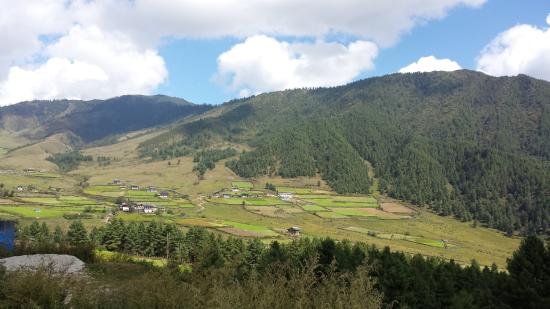
The drive from Punakha to Bumthang via Trongsa is one of Bhutan’s most rewarding road journeys: it threads through terraced valleys, conifer forests and high ridgelines, and offers intimate encounters with the kingdom’s spiritual heartlands. This route is ideal for travellers who want to soak in Bhutanese culture, architecture and Himalayan landscapes at a relaxed pace.
Why choose the Punakha–Trongsa–Bumthang route?
This road trip links western and central Bhutan, passing through regions that have played pivotal roles in Bhutanese history. Punakha, the ancient capital with its dramatic river confluence and whitewashed dzong, contrasts beautifully with Bumthang’s high valley serenity and Trongsa’s commanding fortress perched above a narrow gorge. The route serves both nature lovers and cultural pilgrims.
Distance, duration and basic itinerary
The road distance from Punakha to Bumthang via Trongsa spans roughly 300–350 km depending on exact start and end points and detours. Because mountain roads are winding and variable, driving time is best estimated in stages, and most travellers take 3–4 days to make the journey with sensible stops.
Typical 3–4 day breakdown
- Day 1: Punakha to Pele La and continue to Wangdue or a night halt en route for acclimatisation.
- Day 2: Cross Pele La, descend into Trongsa region. Overnight in Trongsa to explore the dzong and local museums.
- Day 3: Trongsa to Bumthang via high passes and scenic valleys; arrive Bumthang in evening.
- Optional Day 4: Extra rest day in Bumthang for hikes, monastery visits and cultural immersion.
Road conditions and driving tips
Bhutan’s national highways are generally well maintained, but expect single-lane stretches, sudden narrowing, occasional landslides and slow-moving trucks. Weather—especially during the monsoon—can affect road safety and travel times.
Vehicle and driver
- Most travellers hire a 4x4 vehicle with an experienced local driver. This is the safest and most comfortable option for mountain driving.
- If self-driving, ensure the vehicle is well serviced, with good tyres and spare parts, and that you have experience on steep, narrow Himalayan roads.
Driving etiquette and safety
- Keep left and be prepared to yield on narrow sections; larger vehicles may need space to pass.
- Watch for blind corners; use the horn sparingly to announce your presence.
- Carry a basic first-aid kit, warm clothing, water and snacks—stops can be few and far between.
Key stops and attractions en route
The route is rich with cultural sites, scenic viewpoints and short hikes. Building time into your schedule to explore will make the trip much more rewarding.
Punakha Dzong and the confluence
Start your journey with a visit to Punakha Dzong (if you haven’t already). The dzong’s riverside setting is iconic and provides a calm, reflective beginning to the trip. Take in the views of the confluence of the Pho Chhu and Mo Chhu rivers before you head uphill.
Pele La Pass
Pele La (pass) is the traditional gateway between western and central Bhutan. The pass offers views over rhododendron forests and, during spring, stunning blooms. Short walks here are rewarding; be mindful of changing temperatures as altitude rises.
Trongsa Dzong and Ta Dzong
Trongsa sits midway and dominates the narrow valley—its dzong is one of the most impressive fortresses in Bhutan. Nearby Ta Dzong, once a watchtower, now houses a museum explaining Bhutan’s royal history and the central region’s strategic importance. Allow ample time to explore both.
Chendebji Chorten
En route you can stop at Chendebji Chorten, modelled after the great Boudhanath Stupa and set against a backdrop of pine forests. It’s a peaceful spot for reflection and photography.
Bumthang Valleys and monasteries
Bumthang is actually a cluster of four valleys—Chokhor, Ura, Tang, and Chhume—each with its own character. Key sites include Jakar Dzong, Jambay Lhakhang and Kurjey Lhakhang, which contain relics and legends central to Bhutanese spirituality. Light treks and walks around the valleys reveal pastoral life and apple orchards.
Altitude and acclimatisation
Elevation rises significantly over this drive: Punakha sits at a lower altitude while passes like Pele La and sections approaching Bumthang are much higher. Altitude sickness is a risk for some travellers.
Practical acclimatisation advice
- Plan gradual ascents and include rest days, especially around Trongsa or early in Bumthang.
- Stay hydrated, avoid alcohol for the first 24–48 hours at higher elevations, and eat light, balanced meals.
- Recognise symptoms of acute mountain sickness—headache, nausea, dizziness—and descend if they worsen.
Permits, documentation and local regulations
All foreign visitors to Bhutan travel on a pre-arranged, government-approved itinerary. If you are booking through TravMe Holidays, permits and local logistics are handled for you. Ensure you carry your passport and permit documents while travelling.
Best time to travel
Spring (March–May) and autumn (September–November) are ideal for clear skies, wildflowers and stable roads. Monsoon months bring lush greenery but also road disruptions. Winter offers crisp skies and fewer tourists, though higher passes can be cold and occasionally snowbound.
Where to stay
Accommodation ranges from traditional lodges to comfortable hotels and boutique resorts. Trongsa and Bumthang both offer guesthouses and hotels that blend local architecture with modern comforts. Staying in homestays or small lodges can provide intimate cultural interactions, especially in Bumthang.
Food and dining
Bhutanese cuisine is hearty and flavourful—expect dishes featuring red rice, buckwheat, local dairy and Ema Datshi (chillies and cheese). In Bumthang you’ll find specialties like buckwheat noodles and yak-based dishes. Carry some familiar snacks if you have dietary preferences, as choices can be limited in remote stretches.
Local customs and responsible travel
Bhutan places strong emphasis on cultural respect. Dress modestly when visiting dzongs and monasteries, remove shoes where required, and ask before photographing locals. Support local economies by buying handicrafts and choosing family-run eateries and homestays.
Tip: Slow down and let the landscape unfold—this route is as much about contemplative travel as it is about ticking off sights.
Packing checklist
- Warm layers and windproof jacket—nights and passes can be cold.
- Comfortable walking shoes for short hikes and temple visits.
- Basic medication, sunscreen, water bottle and altitude sickness remedies if advised by your doctor.
- Copies of passport, permit and emergency contacts; keep digital backups.
Photography and connectivity
Scenic viewpoints, monasteries and local life offer excellent photo opportunities. Be mindful of drone regulations and monastery policies. Mobile connectivity improves around towns but can be patchy in valleys—use it as an excuse to unplug and enjoy the moment.
Recommended pace and final tips
Don’t rush. Allow extra time for spontaneous stops and minor delays. Travel with a flexible mindset—road works, weather and local festivals can alter plans but often add much to the experience. Communicate with your driver or guide about pacing, rest preferences and any health concerns.
Whether you’re drawn by the spiritual sites of Trongsa, the quiet valleys of Bumthang or the dramatic landscapes between, the road trip from Punakha to Bumthang is a journey that rewards patience, curiosity and a willingness to immerse in Bhutan’s rhythms.
Conclusion
This road trip is a perfect synthesis of Bhutan’s cultural depth and Himalayan scenery. With mindful planning—respect for local customs, sensible acclimatisation and a relaxed itinerary—you’ll find the Punakha–Trongsa–Bumthang drive one of the most memorable travel experiences in the Himalaya. TravMe Holidays can help tailor the route, permits and vehicle arrangements so you can focus on the views, the monasteries and the quiet moments in between.