Responsible Travel in Ladakh: How to Leave No Trace
A practical guide to responsible travel in Ladakh, covering waste management, cultural respect, low-impact trekking, water and energy conservation, community support and safety at high altitude.
By TravMe Holidays travel team · · Updated · 7 min read
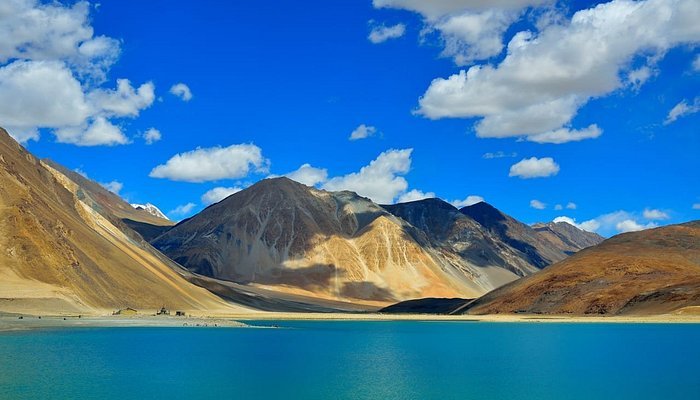
Ladakh is a landscape of stark beauty, high passes and ancient culture. Its fragile environment and sparse communities need careful stewardship from every traveller. This guide explains practical, respectful steps you can take to leave no trace while enjoying Ladakh's deserts, monasteries and high-altitude trails.
Understand Ladakh's Fragile Environment
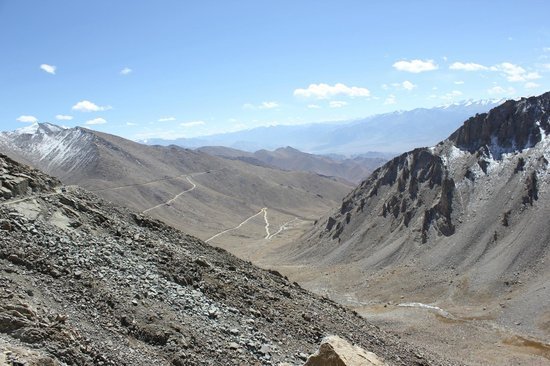
Ladakh sits on the cold desert plateau of the Trans-Himalaya. Low precipitation, thin soils and slow plant growth mean ecosystems recover very slowly from damage. Human settlements are spread thin, water is a precious resource fed by seasonal glaciers and melt streams, and waste disposal infrastructure is limited in many places. Before you pack your bags, acknowledge that your choices will have a disproportionate impact here compared with lower-altitude, better-served destinations.
Why your behaviour matters
- Vegetation is fragile: trampling can destroy plants that take many years to regrow.
- Water scarcity: overuse or pollution of local water sources can harm communities and wildlife.
- Waste burden: plastic and non-biodegradable litter accumulates in valleys and near trails.
- Cultural sensitivity: monasteries, festivals and traditional livelihoods deserve respectful engagement.
Planning Ahead: Permits, Routes and Local Guidance
Good planning reduces impulse decisions that can harm the environment. Research permits required for restricted areas such as Nubra, Pangong, or parts of eastern Ladakh, and apply through official channels. Choose established routes, and travel with local guides or operators who follow low-impact practices.
Choose responsible operators
- Ask about their waste management, fuel and energy practices, and community partnerships.
- Prefer companies that hire local staff, use local guides and pay fair wages.
- Look for operators who limit group sizes, have clear environmental policies and support conservation or cultural projects.
Reduce Plastic and Waste: Pack In, Pack Out
Ladakh has made strides against single-use plastic, with bans in many areas, but the enforcement and waste collection remain uneven. Your best bet is to bring a zero-waste kit and ensure nothing you bring is left behind.
Practical items to pack
- Reusable water bottle and water purification method (filter or tablets) to avoid buying packaged water.
- Reusable shopping bag and containers for food or purchases.
- Biodegradable soaps and toothpaste (use sparingly and away from water sources).
- Sturdy trash bags to carry non-biodegradable waste until you find proper disposal points.
Tip: Carry a small roll of duct tape and zip ties to repair gear instead of discarding it; a little repair can prevent waste.
Human Waste Management on Trails and Campsites
Human waste is a major issue on popular trails and camping areas. In places without toilets, it is important to follow safe, sanitary practices that protect water sources and respect local norms.
Leave No Trace toilet practices
- Use established toilets where available; many villages and campgrounds have community or portable toilets.
- When nature calls, go at least 60 metres away from water sources, trails and campsites.
- Dig a cathole 15–20 cm deep in mineral soil (avoid fragile alpine vegetation) and cover it thoroughly after use.
- Pack out used toilet paper in sealed bags if local practice or regulations require it; carry a small trowel for digging and a sealable pouch for sanitary waste.
Water Use and Conservation
Glacier-fed streams and village taps are shared resources. Tourists should minimise water use and avoid contaminating sources.
Simple water-saving habits
- Carry enough water for a day and treat natural water, rather than relying on bottled water.
- Take shorter showers and avoid baths; use grey water sparingly and scatter it away from streams and fields.
- Never wash dishes or clothes directly in streams; use a small basin and dispose of soap water in a place where it can soak into the ground away from waterways.
Fuel, Fires and Campsite Impact
Firewood is scarce in many parts of Ladakh. Burning wood or creating multiple campfires damages vegetation and contributes to air pollution in cold months. Use low-impact cooking methods and camp responsibly.
Low-impact camping checklist
- Use gas stoves or approved camping stoves rather than collecting wood.
- Camp on durable surfaces: rock, gravel or established campsites rather than fragile tundra.
- Keep fires small and use them only where permitted; better still, avoid open fires altogether.
- Pack out all non-burnable waste and scatter only biodegradable organic scraps far from trails and water.
Wildlife and Flora: Observe, Don't Disturb
Ladakh hosts species adapted to cold, high-altitude conditions. Disturbing wildlife or collecting plants threatens fragile populations.
Wildlife etiquette
- Keep distance from animals and avoid feeding them — human food harms their diet and behaviour.
- Use binoculars and long lenses for viewing and photography; avoid encroaching on nesting areas or migration routes.
- Stick to trails to protect plant life and microhabitats.
Respecting Culture and Sacred Sites
Ladakh's Buddhist and Muslim communities have long traditions. Respectful behaviour fosters goodwill and preserves cultural integrity.
How to be a respectful visitor
- Ask permission before entering a monastery or private home; observe local dress codes and remove shoes when required.
- Keep noise low near religious sites and during ceremonies; silence shows respect and helps the experience be meaningful for locals.
- Seek consent before photographing people, especially monks, pilgrims and children; some places restrict photography inside prayer halls.
- Buy local crafts and services to support livelihoods rather than taking items such as religious artifacts or fossils that are part of cultural heritage.
Support Local Economies and Community Initiatives
Responsible travellers channel spending to benefit local people. Choose homestays, guided walks run by village cooperatives, and eateries that source ingredients locally.
Ways to give positive impact
- Prefer locally owned guesthouses, eco-cafes and licensed guides.
- Ask about community fees or conservation levies — many villages use these funds for infrastructure and habitat protection.
- Participate in community tourism programmes or cultural exchanges that are led by local people and aim for fair distribution of benefits.
Climate Awareness and Carbon-Conscious Travel
Ladakh is already experiencing the effects of climate change through glacial retreat and changing weather patterns. Minimise your carbon footprint where possible, and consider offsetting only through reputable local or international programmes that fund verified mitigation or community resilience projects.
Lower-carbon travel tips
- Combine trips to reduce the number of flights or long drives; avoid last-minute itinerary changes that rely on extra transport.
- Use shared transfers or public transport where practical instead of private vehicles for single travellers.
- Support renewable energy and conservation projects in Ladakh, such as solar initiatives in villages, rather than unknown offset schemes.
Health, Safety and Responsible Adventure
High-altitude safety is a part of responsible travel. Illness or risky behaviour can place strain on local resources and emergency services.
Health-smart practices
- Acclimatise gradually and know the signs of acute mountain sickness; carry a basic first-aid kit and medication advised by a doctor.
- Inform hosts and guides of any medical conditions and travel insurance that covers high-altitude rescue or evacuation.
- Stick to established trails and heed local advice on weather and river crossings; avoid solo adventures in remote high-altitude terrain.
Advocacy: Leave the Place Better Than You Found It
Responsible travel extends beyond personal behaviour. Advocate for better infrastructure, join local clean-up drives, and share constructive feedback with tour operators and authorities to improve waste management and visitor education.
Small actions add up: a few travellers properly managing their waste, water use and behaviour can inspire whole groups and communities to adopt safer, more sustainable practices.
Quick Checklist Before You Go
- Pack reusable items: bottle, bags, cutlery, mug and containers.
- Bring biodegradable personal care items and carry trash bags.
- Book local guides and accommodation where possible.
- Plan your route, altitude profile and permits; inform someone of your itinerary.
- Learn basic Ladakhi and respectful cultural practices; ask before photographing or entering sacred spaces.
Travelling responsibly in Ladakh is both a duty and a privilege. With thoughtful preparation, respectful behaviour and a willingness to learn from local hosts, you can enjoy one of India's most spectacular landscapes while helping preserve it for future generations.
Conclusion: By reducing waste, conserving water and energy, protecting wildlife and respecting culture, every visitor can play a part in keeping Ladakh pristine. Leave no trace not as a slogan but as a daily habit — for the landscape, for its people and for the travellers who will follow.