Punakha to Phobjikha Valley: What to See on the Way
A practical travel guide for the scenic drive from Punakha to Phobjikha Valley, covering must-see stops such as Dochula Pass, Gangtey Monastery, local hikes, wildlife viewing and practical tips for a smooth trip.
By TravMe Holidays travel team · · Updated · 7 min read
The drive from Punakha to Phobjikha Valley (also called Gangtey Valley) is one of Bhutan’s most rewarding road journeys: a gradual change in landscape from rippling river valleys and rice terraces to rhododendron-clad ridges and a wide high-altitude bowl famous for the black-necked cranes. This guide outlines what to see and do en route, how to prepare, and when to visit so you can make the most of this gentle, scenic transition.
Overview of the Route
The route from Punakha to Phobjikha covers a mix of twisting mountain roads, a high mountain pass, and quiet rural lanes. Typical journeys head back through Wangdue Phodrang district, climb to the Dochula Pass, drop towards Trongsa or take a direct turn to Wangdue and onward to the Pelela Pass before descending into the Phobjikha basin. Expect altitudes to range from around 1,200 metres in Punakha up to 3,100 metres at Dochula and approximately 3,000 metres in the Phobjikha bowl.
Key Stops and Sights on the Way
1. Punakha Dzong and Suspension Bridge (Optional morning start)
If you are departing from Punakha early, take a final stroll around the Punakha Dzong compound and cross the historic suspension bridge. The dzong’s riverside setting is photogenic in morning light and offers a calm start before ascending through forested slopes.
2. Wangdue Phodrang (Town and viewpoint)
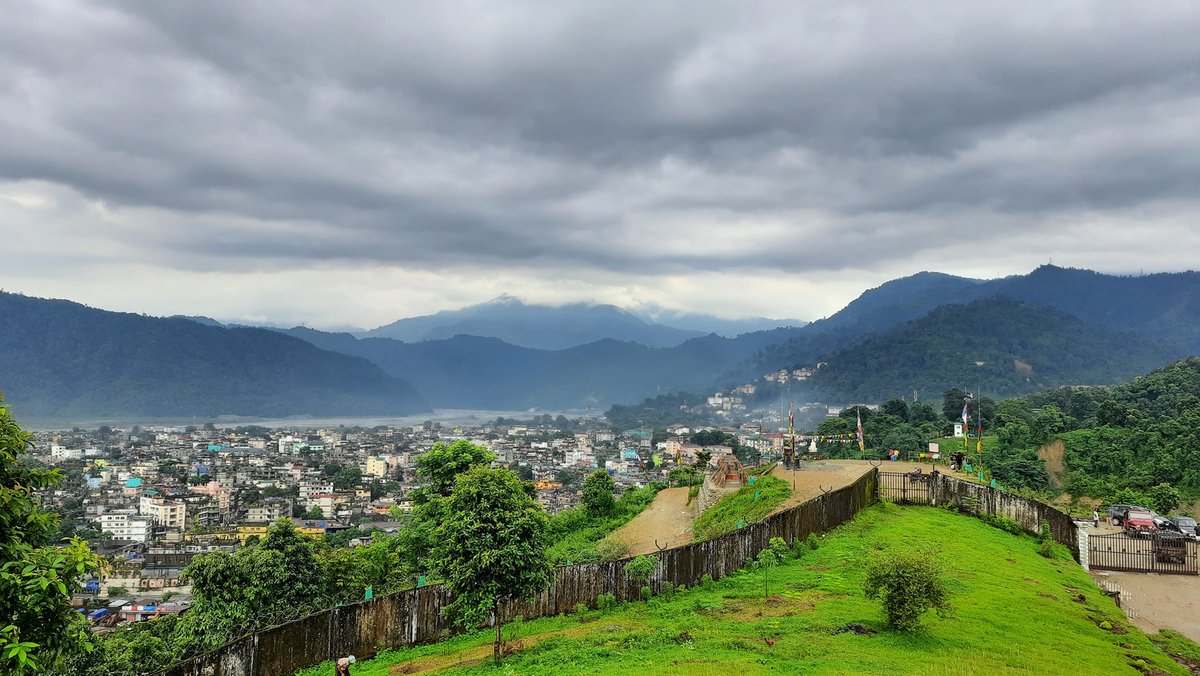
Perched above the Wangdue valley, the town is a convenient place to stretch your legs. Walk to the viewpoint above town for sweeping views of the valley and terraced farms. If time permits, visit a local market or stop for tea at a roadside stall to sample Bhutanese snacks.
3. Dochula Pass (3,100 metres) — Landscapes, Chortens and Tea House
Dochula is a highlight on nearly every central Bhutan itinerary. The pass is crowned by 108 memorial chortens (stupas) and offers panoramic views of the Himalaya chain on clear days. A traditional mountain tea house at the pass provides hot drinks and snacks. On winter mornings the sunrise over the snow-capped peaks is memorable, though weather is changeable — always check visibility before planning to linger.
4. Lumitsawa and Pelela Pass — Rolling Ridge Roads
After Dochula, the road undulates through pine forests and rhododendron slopes. The Pelela turn-off leads to a lesser-travelled route with crisp mountain air, alpine meadows and occasional grazing yaks. This stretch is particularly beautiful in spring when rhododendrons are in bloom and in autumn when the skies clear.
5. Traditional Villages en Route
Small villages with whitewashed houses, prayer flags and mani walls punctuate the drive. These are good places to pause and observe rural Bhutanese life: women tending fields, children walking to school and farmers with traditional tools. Respect local customs if you wish to photograph people, and always ask permission.
6. Gangtey Monastery (Gangtey Goenpa)
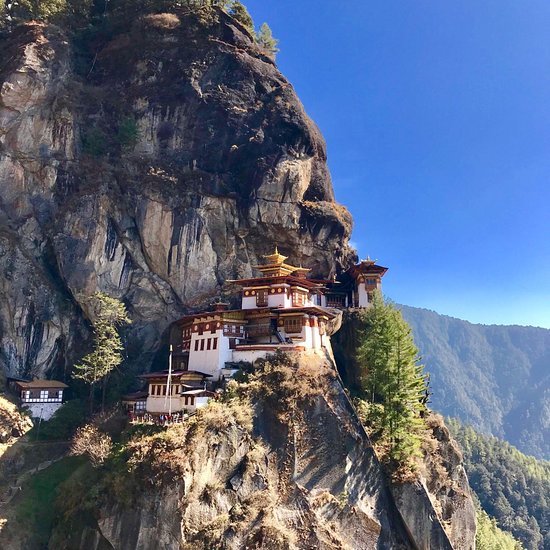
The monastery sits on a ridge overlooking the wide Phobjikha basin. It is the religious centre for the valley and an important Nyingmapa (Nyingma) institution. A guided visit to the monastery offers insights into Bhutanese monastic life, traditional thangka painting and seasonal rituals. The monastery complex also provides excellent vantage points for sunrise and sunset photography.
7. Phobjikha Valley Floor — Gangtey Nature Trail and Crane Viewing
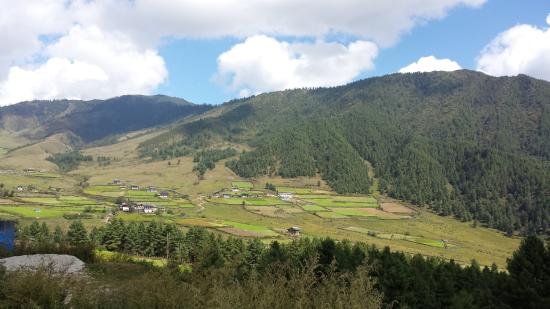
The valley floor is an expansive glacial basin of wetlands and meadows. The Gangtey Nature Trail is an easy, well-signposted walk that takes you through wetlands and past farmhouses, giving a close-up view of the valley’s ecology. In winter (typically November to March), the valley becomes a major wintering ground for migratory black-necked cranes — visit the information centre and local viewing areas to learn about conservation efforts and to watch the cranes at dawn and dusk.
Hikes, Walks and Short Treks
Phobjikha offers a range of short walks and longer hikes suitable for casual walkers and seasoned trekkers alike.
- Gangtey Nature Trail: A 3–4 km loop through wetlands and marshes, ideal for birdwatching and gentle walking.
- Monastery to Valley Walk: A 30–60 minute descent from Gangtey Monastery to the valley floor; good for sunrise/sunset photos.
- Ridge Walks: Several ridge trails around the valley offer panoramic views and opportunities to spot small mammals and highland birds.
- Longer Treks: The area links to multi-day treks for those wanting to explore higher passes and neighbouring valleys — check local guides for current trails and conditions.
Wildlife, Birds and Flora
Phobjikha is biologically rich. The most famous resident is the black-necked crane, a conservation flagship species that winters here. The wetlands also attract moss birds, Himalayan monal and other alpine species. The slopes host rhododendrons, hemlock, azaleas and mixed conifer forests. Carry binoculars and a field guide if you enjoy birdwatching, and respect wildlife by keeping distance and minimising noise.
Best Time to Travel
Choosing when to travel depends on your priorities:
- Winter (November–March): Ideal for crane watching and crisp, clear skies. Nights are cold and mornings may be frosty; daytime temperatures are comfortable with proper layering.
- Spring (March–May): Rhododendron blooms and milder weather make this a picturesque time for drives and hikes.
- Autumn (September–November): Good weather and clear mountain views, a popular season for travellers.
- Monsoon (June–August): Lush green landscapes but heavier rain and occasional road disruptions — a quieter time with fewer tourists.
Practical Travel Tips
- Altitude awareness: Phobjikha sits around 3,000 metres. Take time to acclimatise, drink plenty of water, and look out for mild symptoms of altitude sickness such as headaches or loss of appetite. Descend if symptoms worsen.
- Road conditions and time: Bhutan's mountain roads are well maintained compared with many Himalayan regions, but they remain winding and sometimes narrow. Drive times can be longer than expected; allow extra time for stops and photo breaks.
- Hiring a driver or guide: Many travellers use a local driver familiar with mountain driving and local etiquette. Guides can enhance your understanding of culture, monasteries and natural history.
- Fuel and services: Fuel stations are limited in rural stretches; top up when you can. Basic roadside dhabas or tea houses offer snacks and hot drinks, but carry essentials if you have dietary needs.
- Respect local customs: Remove hats and sunglasses when entering monasteries, walk clockwise around chortens and pray wheels, and avoid loud behaviour near religious sites.
- Photography: Temples, landscapes and wildlife are highly photogenic. Ask before photographing people, and note that photography inside some monastery rooms may be restricted.
Tip: Early morning and late afternoon are the best times for crane sightings and soft light across the valley. Plan an overnight stay in Gangtey to catch both.
Where to Stay and Eat
Phobjikha and Gangtey offer a range of accommodation from simple guesthouses to comfortable lodges with local charm. Many establishments provide home-cooked Bhutanese meals — great opportunities to try ema datshi (chili and cheese stew), local buckwheat or buckwheat noodles in season. Book ahead in peak season and in winter if you want guaranteed rooms near the reserve.
Responsible Travel and Conservation
The Phobjikha Valley is a conservation success story. Local communities, the Royal Society for the Protection of Nature and government agencies collaborate closely to protect the cranes and the wetland habitat. Travel respectfully: stick to marked trails, avoid disturbing roosting cranes, follow guidelines at viewing areas and support local conservation-minded enterprises. Small actions like carrying reusable water bottles and avoiding single-use plastics help keep the valley pristine.
Sample Day Itinerary
- Early departure from Punakha, brief stop at Punakha Dzong for photos.
- Tea stop at Dochula Pass; short walk among the chortens and photo time.
- Drive through Lumitsawa/Pelela region with a lunch stop in a roadside eatery or village house.
- Arrive in Gangtey in the afternoon, visit Gangtey Monastery and viewpoint.
- Evening walk on the Gangtey Nature Trail; watch for cranes at dusk (winter months).
- Overnight in Gangtey or Phobjikha valley to savour sunrise and valley calm.
Final Notes
The Punakha to Phobjikha journey blends heritage, landscape and wildlife into a single, memorable travel day or short trip. Whether you are stopping at cultural monuments, breathing in mountain air at Dochula, or quietly watching cranes in the wetland, the route rewards patience and a curious spirit. Allow time to slow down—Bhutan’s pace reveals its best stories when you let the road set the rhythm.
Safe travels and may your cameras and memories capture the calm beauty of this special highland valley.