Planning a Kashmir Trip on a Budget Without Missing the Highlights
Practical, budget-friendly tips for experiencing Kashmir's top sights — Srinagar, Gulmarg, Pahalgam and Sonamarg — using smart transport, affordable stays and local food without missing highlights.
By TravMe Holidays travel team · · Updated · 7 min read
Kashmir is often portrayed as a lavish dream of houseboats, snowy peaks and emerald valleys. Visiting on a budget does not mean missing out. With smart planning, flexible travel, local transport and choice of stays, you can cover Srinagar, Gulmarg, Pahalgam and Sonamarg and enjoy the flavours, landscapes and culture without breaking the bank.
Why Kashmir is achievable on a budget
Kashmir’s accessibility from major North Indian cities, a range of accommodation options from guesthouses to budget hotels, and affordable local food make it a surprisingly economical destination. Many key experiences — strolling Mughal gardens, watching a shikara glide at sunrise, walking in alpine meadows — cost little to no money. The main expenses tend to be transport and seasonal premiums, both of which can be optimised.
Best time to go for value and experience
- Shoulder seasons (late spring and early autumn): April–June and September–October offer pleasant weather, fewer crowds than peak summer and better rates than peak holiday times.
- Winter: If you want snow and can tolerate cold, winter can be cheaper but expect more limited services and occasional road disruptions.
- Peak summer (July–August): Best weather but higher prices and more tourists; early booking helps, but budget travellers will find better deals outside this window.
How to plan an affordable itinerary
A compact itinerary reduces travel time and expenses. Here’s a practical 5–7 day route that covers highlights efficiently:
- Day 1–2: Srinagar — Arrive, explore Dal Lake, Mughal gardens (Shalimar Bagh, Nishat Bagh), Shankaracharya Temple and the old city bazaars.
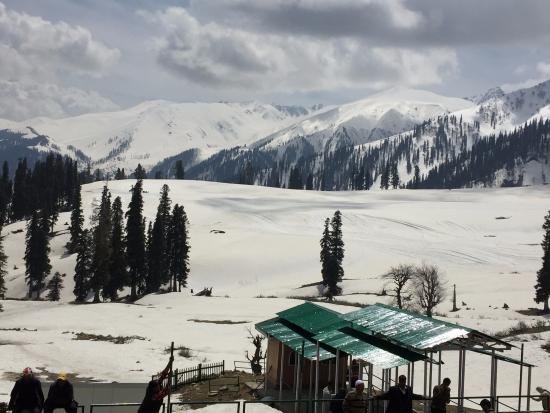
- Day 3: Gulmarg — Early transfer, walk around the meadows, take a gondola ride if budget permits, else enjoy chairlift-free trails and local cafes.
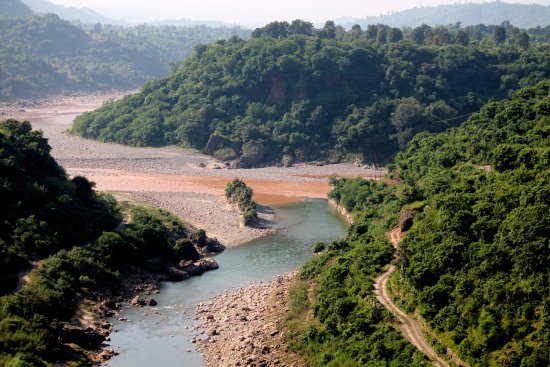
- Day 4–5: Pahalgam — Head to the Lidder Valley, do short treks to Aru or Betaab Valley, or simply relax by the river.
- Day 6: Sonamarg (optional) — A day trip for alpine scenery and easy hikes; best if you have an extra travel day.
This loop minimises back-and-forth: Srinagar acts as the hub with day trips to Gulmarg and Sonamarg, and an onward trip to Pahalgam fits naturally into travel schedules.
Transport: getting there and moving around cheaply
Transport can be a big part of the budget, but there are cost-effective options:
- By air: Flying to Srinagar is the fastest option; book well in advance and use fare alerts. Arranging airport transfers with a guesthouse or shared taxi can reduce costs over private cabs.
- By train/bus: The nearest major railhead is Jammu Tawi; from there buses and shared taxis connect to Srinagar. Overnight buses and trains to Jammu plus a daytime road journey can be economical if you have time.
- Local travel: Shared taxis and state-run buses are the cheapest for inter-town travel. Negotiate shared rides with other travellers at hotels or travel desks. Within towns, auto-rickshaws, cycle-rickshaws and walking are the most wallet-friendly ways to get around.
- Car rental: Hiring a car with driver is convenient for groups; split costs among travellers to make it comparable with slower public options.
Budget accommodation: where to stay
Kashmir offers homespun hospitality across price points. Choices to save money include:
- Guesthouses and homestays: Local homestays give authentic experiences and are often much cheaper than hotel chains. They’re great for meeting locals and enjoying home-cooked meals.
- Budget hotels and inns: In Srinagar and major towns you’ll find decent budget hotels. Look for places with good reviews, central location and included breakfast to cut food costs.
- Houseboats: If you want the houseboat experience, consider sharing with other travellers to split costs or stay for one night instead of multiple nights.
- Advance booking: Use comparison sites and local travel agents. Booking ahead during shoulder seasons yields better rooms at lower rates.
Eat well for less
Food in Kashmir is rich and hearty. You can enjoy it without overspending:
- Eat where locals eat: small dhabas and family-run restaurants serve authentic wazwan delicacies, rice dishes and stews at modest prices.
- Try local snacks: Noon chai (salted pink tea), kahwa (saffron tea) and bakery items are inexpensive and filling.
- Share larger dishes: Order family-style menus and share to taste more while keeping costs down.
- Carry snacks: For day trips to meadows and passes, carry packed food from Srinagar markets to avoid high-priced tourist spots.
Must-do experiences on a budget
These highlight experiences are affordable or free if approached cleverly:
- Shikara ride on Dal Lake: A short shikara ride at sunrise or sunset is emblematic; split a ride with others or opt for a shorter duration for savings.
- Mughal gardens and Shankaracharya: Entry to public gardens and temple viewpoints is generally inexpensive and offers great photo opportunities.
- Gulmarg meadows: Walking and picnicking in the meadows is free. If the gondola is beyond budget, explore trails and viewpoints on foot.
- Short treks in Pahalgam: Many nature walks and valley views are free. Pony rides and guides are optional extras — negotiate or join other travellers to split hire fees.
- Local markets: Wander Srinagar’s bazaars for handicrafts and street food; practise polite bargaining for souvenirs.
Permits, security and practicalities
Kashmir is generally safe for tourists, but stay informed and prepared:
- Carry valid photo ID at all times; officials may ask for it during movement between towns or at checkpoints.
- Check local advisories before travel. Road conditions can change with weather and occasional security-related movement restrictions can affect specific areas.
- Travel insurance that covers trip interruptions and medical emergencies is advisable, especially in winter or during high-altitude visits.
- Respect local customs and dress modestly in conservative areas; this helps in positive interactions and smoother travel.
Packing smart to save money
Packing well avoids last-minute purchases and extra costs:
- Layered clothing: Temperatures can vary widely between valleys and passes. Layers prevent costly purchases of warm clothes en route.
- Good walking shoes: Comfortable footwear saves money by preventing blisters and keeping you mobile without hiring transport.
- Basic first-aid and medications: Carry essentials to avoid paying higher prices in tourist spots.
- Reusable water bottle with filter: Helps reduce purchases and is handy on day treks.
Saving tips and money hacks
- Travel midweek and in shoulder seasons for lower rates on stays and transport.
- Share rides and rooms: Connect with fellow travellers through social media groups or guesthouses to split costs on taxis and pony/gondola rides.
- Negotiate politely for long-distance taxi fares and for pony/guide services; ask for a breakdown of costs.
- Use local SIM or offline maps: Plan routes and check schedules to avoid unnecessary detours or pricey last-minute transport.
- Choose a home-cooked meal: Homestays often include meals that save money and introduce you to Kashmiri cuisine.
Tip: Keep a flexible itinerary. Delays are possible in mountain weather; giving yourself an extra buffer day can prevent expensive rescheduling.
Responsible travel reminders
Travelling responsibly keeps the region beautiful and supports local economies:
- Support local businesses — buy crafts from government-run emporia or certified cooperatives to ensure fair prices reach artisans.
- Minimise plastic use and carry out what you bring in, especially in fragile alpine environments.
- Respect wildlife and natural habitats; avoid off-trail walking in sensitive high-altitude meadows.
Sample daily budget framework
Rather than fixed numbers, think in categories: accommodation, food, transport and activities. Prioritise experiences you value — e.g., a single houseboat night or one gondola ride — and economise elsewhere. Sharing costs, eating local and taking public or shared transport will reduce your daily outlay substantially without compromising experiences.
Kashmir is eminently do-able on a modest budget with a mix of planning, flexibility and local choices. Whether it’s drifting on Dal Lake, walking the Gulmarg meadows or sipping kahwa in an old city courtyard, the essence of Kashmir is accessible to travellers who prioritise experiences over luxury.
Conclusion: With a sensible route, smart transport choices, simple accommodation and a willingness to share experiences, you can see Kashmir’s main highlights without stretching your budget. Keep an open mind, respect local norms and savour the scenery — the valley rewards those who travel thoughtfully.