Planning a Bhutan Trip on a Budget Without Cutting Corners
Practical, budget-friendly strategies for visiting Bhutan without sacrificing experience—covering permits, transport, lodging, food, activities and sustainable tips tailored for Indian travellers.
By TravMe Holidays travel team · · Updated · 6 min read
Bhutan’s dramatic mountain scenery, vibrant culture and measured approach to tourism make it an alluring destination. While the country often gets a reputation for being expensive due to its high-value tourism policies, you can plan a fulfilling trip on a modest budget without cutting corners on safety, comfort or authentic experiences. This guide explains how to keep costs sensible while enjoying Bhutan’s highlights responsibly.
Understand entry rules and paperwork
Before you book anything, check the entry requirements that apply to your nationality. Indian nationals do not need a visa to enter Bhutan but must obtain an Inner Line Permit (ILP) or an entry permit at the border or at the immigration office in Thimphu. Other nationalities usually require a visa processed through a licensed Bhutanese tour operator and are subject to the daily sustainable development fee.
Key practical tips:
- Carry valid photo ID as required: for Indian travellers this is typically your passport or voter ID—confirm the accepted documentation before travel.
- Apply for permits at official immigration counters when you enter by land (Phuentsholing/Jaigaon) or at Paro Airport on arrival if flying in.
- If you plan to visit restricted highland zones or remote communities, expect to apply for special permits in advance through the immigration office.
Choose the right time to travel
Bhutan’s seasons influence prices and availability. Peak months (spring and autumn) offer clear skies and festival dates but can be busier. Off-season and shoulder-season travel (late spring after monsoon onset or winter) can help reduce accommodation costs and availability issues—however, check weather implications for high passes and rural access.
Getting there: flights versus land entry
Two common entry routes each have budget benefits:
- By air (Paro): Flying is the quickest way to reach central Bhutan. Book flights early and be flexible with dates. Watch for periodic seat sales and compare fares from different Indian gateway cities that service Paro.
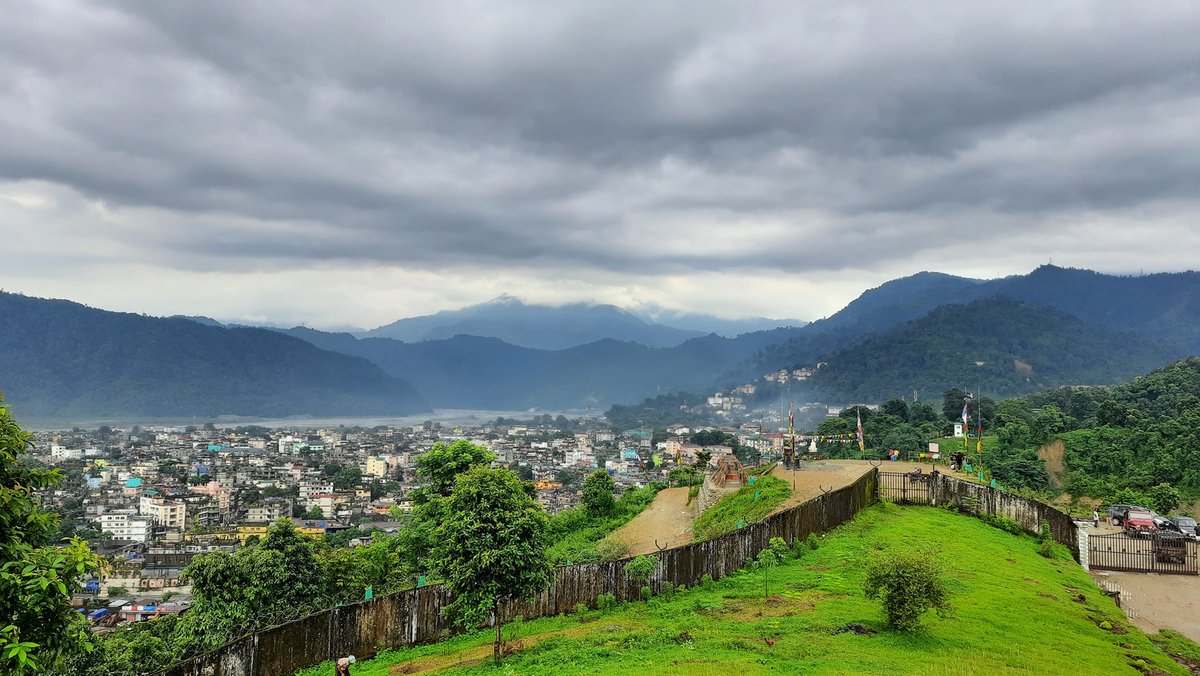
- By land (Phuentsholing/Jaigaon): Crossing overland from West Bengal is often the most budget-friendly option. From Jaigaon, clear immigration at Phuentsholing and travel onward to Thimphu or Punakha by bus or shared taxi. Land entry allows you to combine a low-cost overland experience with internal travel savings.
Internal bus and shared taxi networks connect major towns. Public buses are the most economical, while shared taxis are faster and still affordable when split among travellers. Reserve private hires only when necessary for remote destinations or tight itineraries.
Smart, affordable accommodation without compromise
Bhutan has a range of accommodation that suits budget-minded travellers without compromising safety or comfort.
- Guesthouses and small hotels: Family-run guesthouses in districts like Thimphu, Paro and Punakha provide clean rooms, warm hospitality and home-cooked food—often at much lower rates than large hotels.
- Hostels and dorm-style stays: In towns frequented by backpackers, hostels and dorm rooms are emerging. They’re ideal for solo travellers and groups seeking to save on lodging costs.
- Homestays and village stays: For a deeper experience and better value, consider homestays offered in rural areas. They provide cultural interactions and hearty meals.
Book essential nights (first and last) in advance, and be flexible for mid-trip stays where you can negotiate directly upon arrival—especially off-season.
Eat well for less
Bhutanese food is delicious, and eating like a local is one of the best ways to save money while enjoying authentic cuisine.
- Dine at local eateries and cafes for staples like ema datshi, momos, noodles and buckwheat-based dishes. These are substantially cheaper than hotel restaurants and give a real taste of local life.
- Visit markets for fresh fruit, snacks and baked goods—many towns have small bakeries serving affordable, filling items.
- If you have dietary needs, larger towns have vegetarian and international options; discussing choices with guesthouse hosts can also yield budget home-cooked meals.
Transport inside Bhutan: move smart
Once inside Bhutan, transport can be kept inexpensive if you mix public and private options sensibly.
- Public buses: Use scheduled buses between major towns—these are the cheapest option for long-distance travel.
- Shared taxis: For more convenience and speed, shared taxis are commonly available and cost-effective when costs are split.
- Local taxis and rides: For short hops inside towns, use metered or agreed fares; negotiate fares for longer hires before you start.
- Hiking and walking: Many attractions are best reached on foot; this saves money and is environmentally friendly.
Experience high-value activities affordably
Don’t skip the essentials—dzongs, monasteries, short hikes and markets are often low-cost or free. Here’s how to prioritise experiences without overspending:
- Plan one or two paid highlights (a guided cultural tour, museum entry, or a half-day guided hike) and fill the rest of the itinerary with free or low-cost activities like village walks, local markets and self-guided temple visits.
- Attend a local festival (tshechu) if your dates align. Festivals offer incredible cultural immersion—get there early for best spots and reasonable food options from local vendors.
- For multi-day treks or remote excursions, use licensed Bhutanese operators to ensure permits and safety; look for group departures to lower per-person costs rather than private treks.
Communications, cash and practicalities
Small practical choices can reduce unexpected costs.
- Currency: The Bhutanese Ngultrum is pegged to the Indian Rupee and Indian currency is generally accepted. Carry some cash—remote areas may have limited card facilities.
- SIM cards and connectivity: Purchase a local SIM from official outlets in towns for reasonable data rates. You’ll need ID for registration.
- Travel insurance: Always have travel insurance that covers trekking and high-altitude activities. Cheap insurance with limited cover is a false economy if you end up needing evacuation or emergency care.
Sustainable and respectful budget travel
Bhutan places a strong emphasis on cultural preservation and environmental protection. Travelling responsibly aligns with budget travel because it encourages slow travel, public transport and local services:
- Respect dress codes in dzongs and monasteries—modest clothing helps you avoid unnecessary complications and re-entry delays.
- Use refillable water bottles where possible; many guesthouses provide boiled water. Avoid single-use plastics and dispose of waste responsibly.
- Support local businesses: buying a meal, local handicraft or hiring a village guide channels money directly into the community and often gives you a richer experience for the price.
Common pitfalls to avoid
- Don’t assume all services accept cards—carry cash, particularly in smaller towns and rural areas.
- Don’t book every arrangement through a single expensive operator—mix local bookings with pre-booked essentials for balance.
- Avoid last-minute itinerary changes that force private hires; plan realistic travel times between mountain towns to avoid costly private taxis.
Sample 7–10 day budget-friendly itinerary
This sample combines cultural and scenic highlights with affordable logistics. Adjust number of days based on your time and pace.
- Day 1–2: Enter via Phuentsholing, proceed to Thimphu. Explore town, local markets and Tashichho Dzong on foot.
- Day 3–4: Thimphu to Punakha (shared taxi or bus). Visit Punakha Dzong, take a short hike to Khamsum Yulley Namgyal Chorten.
- Day 5: Travel to Paro region. Light walks, visit local museums and markets.
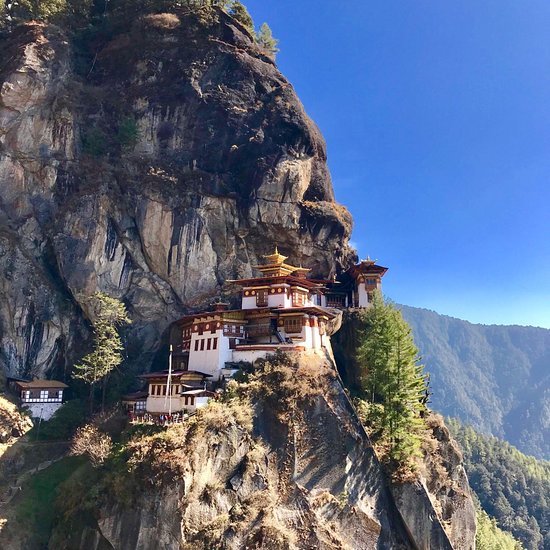
- Day 6: Hike to Taktsang (Tiger’s Nest) or opt for a lower-impact viewpoint hike if the full trek is too demanding. Spend evening in Paro.
- Day 7: Return to Phuentsholing for border crossing or fly out from Paro depending on your entry/exit plan.
Packing list and final tips
Pack layers for variable mountain weather, sturdy walking shoes, a small first-aid kit, sun protection and a refillable water bottle. Keep copies of important documents, and leave room in your luggage for locally-made souvenirs.
Travel slowly, prioritise experiences over quantities, and you’ll discover that Bhutan’s true riches—its people, monasteries and landscapes—are perfectly accessible to budget-conscious travellers.
Bhutan rewards thoughtful travellers. With some preparation—smart timing, sensible transport choices, local dining and accommodation—you can keep costs modest while enjoying a meaningful, comfortable and respectful trip. Whether you arrive by road or by air, plan your permits and transport, choose local hosts and guides, and let the pace of the country guide your budget-friendly journey.