Paro to Thimphu Drive: Chuzom, Tachog Lhakhang and Other Stops
A scenic 55-minute drive links Paro and Thimphu, dotted with spiritual, historical and photo-worthy stops like Chuzom and Tachog Lhakhang. This guide outlines must-see places, practical tips and cultural pointers for a memorable road trip in Bhutan.
By TravMe Holidays travel team · · Updated · 7 min read
The drive from Paro to Thimphu is more than a transfer between an airport town and the capital — it is a gentle introduction to Bhutan’s landscape, culture and spirituality. In roughly an hour you move from valley farms to the wide Thimphu Bowl, passing rivers, suspension bridges and sanctuaries. This guide highlights key stops like Chuzom and Tachog Lhakhang, plus lesser-known sights and practical advice to get the most from this short but rich route.
Overview of the Route
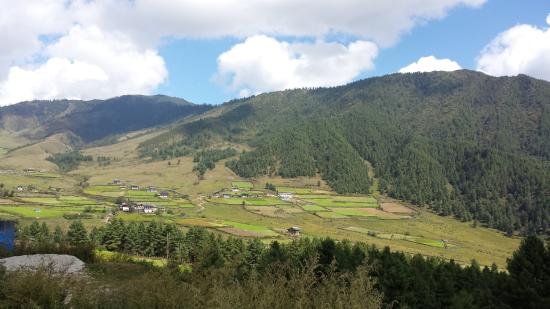
The Paro–Thimphu road runs east from Paro Valley, climbs gradually and crosses several tributaries of the Paro Chhu before joining the Wang Chhu that flows through Thimphu. The journey covers varying elevations and micro-climates, offering views of terraced fields, pine-clad ridges and the changing architecture as you approach the capital. Because the road is well maintained and popular with both locals and visitors, expect intermittent traffic, especially near urban centres.
Key Stops and Sights
Chuzom: Confluence and Spiritual Crossroads
Chuzom is where the Paro Chhu meets the Thimphu or Yoe Chhu — a literal meeting of waters that carries deep symbolic meaning. A striking feature here is the trio of chortens (stupas) built in different architectural styles representing Bhutan’s religious influences: Tibetan, Bhutanese and Nepali. The chortens stand on a small promontory above the road and the confluence, making it a contemplative spot to pause.
Visitors often stop to photograph the chortens and the river junction, or to offer a quiet moment of reflection. If you do get out, be mindful of traffic and dress modestly. The site is small and respectful behaviour is expected: remove your hat if you enter any shrine area and avoid loud conversations.
Tachog Lhakhang: A 12th-Century Stupa and the Upside-Down Temple
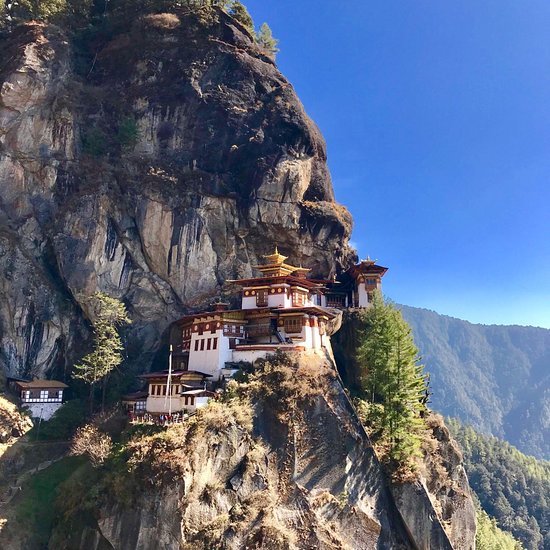
Tachog Lhakhang is an iconic monastery perched on a rocky outcrop above the road. It was founded in the 12th century by the Buddhist saint Thangtong Gyalpo, who is credited with building iron suspension bridges and introducing the tradition of opera in Bhutan. The modern complex includes a beautifully painted chorten that appears to stand on the cliff edge and a newer temple famed for its vivid frescoes.
The approach involves a short walk uphill from the parking area. The walk is worth it for the panoramic views down the valley and for the detailed murals inside the shrine. As with all religious sites in Bhutan, photography may be restricted inside; ask before taking pictures and follow any instructions from attendants.
Iron Suspension Bridge Remnants and Riverside Views
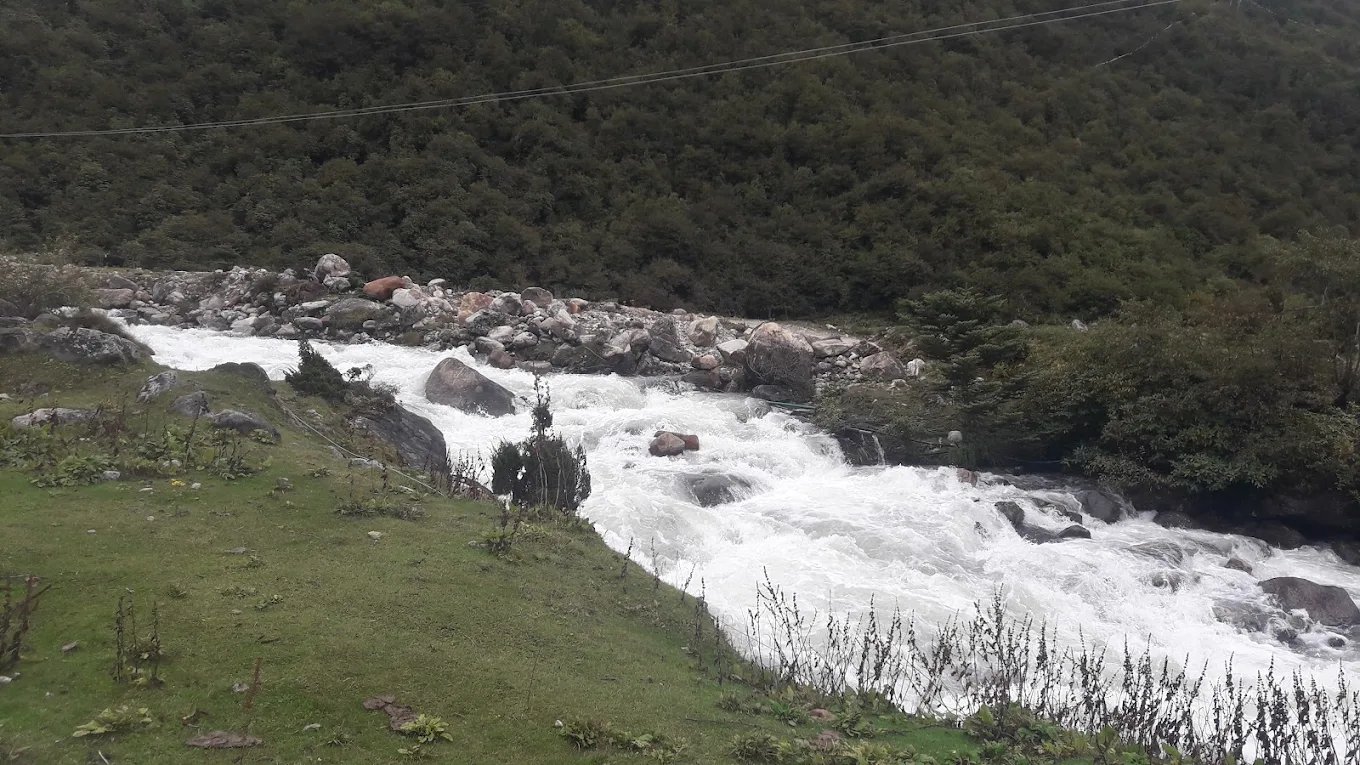
Not far from Tachog, you can spot the sites associated with Thangtong Gyalpo’s bridge-building legacy. While the original iron chains and structures may not be intact, the location evokes the engineer-saint’s spirit. The rivers here run clear and fast; in spring the rapids are animated, while winter offers a quieter, starker beauty. There are safe pullouts for photos and to watch local fishermen or farmers tending riverside fields.
Local Villages and Handloom Workshops
Between Paro and Thimphu, small villages reveal traditional Bhutanese life: houses with elaborately painted facades, prayer flags, mani walls and terraced gardens. Some villages host handloom co-operatives where women weave textiles in traditional patterns. If you have time, ask your driver to stop at a reputed workshop — you’ll learn about dyeing, patterns and the cultural importance of textiles.
Stands, Cafés and Roadside Snacks
There are a few simple stalls selling tea, local snacks and seasonal fruit. Try the local butter tea only if you’re curious and prepared for a salty, rich flavour; otherwise, a cup of sweet tea or roasted barley tea (suja variations) is usually available. These stops are also a chance to stretch your legs and interact with friendly vendors.
Practical Tips for the Journey
Timing and Seasonality
The drive is short, but traffic, weather and festival days can lengthen it. Early morning and late afternoon drives offer softer light for photography. Spring (March–May) and autumn (September–November) are the clearest times for views and pleasant temperatures; winter mornings can be crisp and occasionally misty or frosty.
Transport and Road Conditions
Most travellers travel by private car, taxi or as part of a tour with a driver-guide. Roads are paved and generally well kept but can narrow at bridges and bends. Drivers are experienced, but expect slower movement when larger vehicles or school traffic share the route. Wear seatbelts and keep windows closed in dustier conditions.
Permits and Local Customs
Indian nationals entering Bhutan typically require an entry permit at the border or arrive as part of a guided tour; check the latest regulations before travel. Once on the road, observe local customs at religious sites: remove footwear where required, avoid pointing feet at altars, and ask permission before photographing people, especially monks and farmers at work.
Packing Essentials
- Light jacket or fleece for valley mornings and higher altitudes
- Comfortable walking shoes for short uphill paths to temples
- Sun protection: hat, sunglasses and sunscreen
- Reusable water bottle and small snacks
- Binoculars and a camera with a mid-range zoom for valley vistas and monastery details
Photography and Viewing Tips
The landscape offers layered compositions: river foregrounds, colourful chortens or temples in the mid-ground and forested ridges or distant peaks as backdrop. For dramatic images, aim for sunrise or late afternoon. Wide-angle lenses capture valleys, while a 70–200mm-type zoom is handy for compressing distant ridge lines and isolating architectural details.
Be mindful of cultural sensitivities: many interiors prohibit flash or cameras. Respect 'no photography' signs and the requests of temple caretakers. If you want portraits of locals, offer a polite greeting and a small acknowledgement, and show the image if you can — it’s a good way to connect.
Short Walks and Mini-Hikes Near the Road
Several short trails near Tachog Lhakhang and other stops let you experience Bhutanese flora and get closer to rural life without committing to a full trek. These paths often ascend through pine and rhododendron groves and offer views of the Thimphu Bowl. Wear sturdy shoes and avoid straying from marked trails.
What to Expect in Thimphu
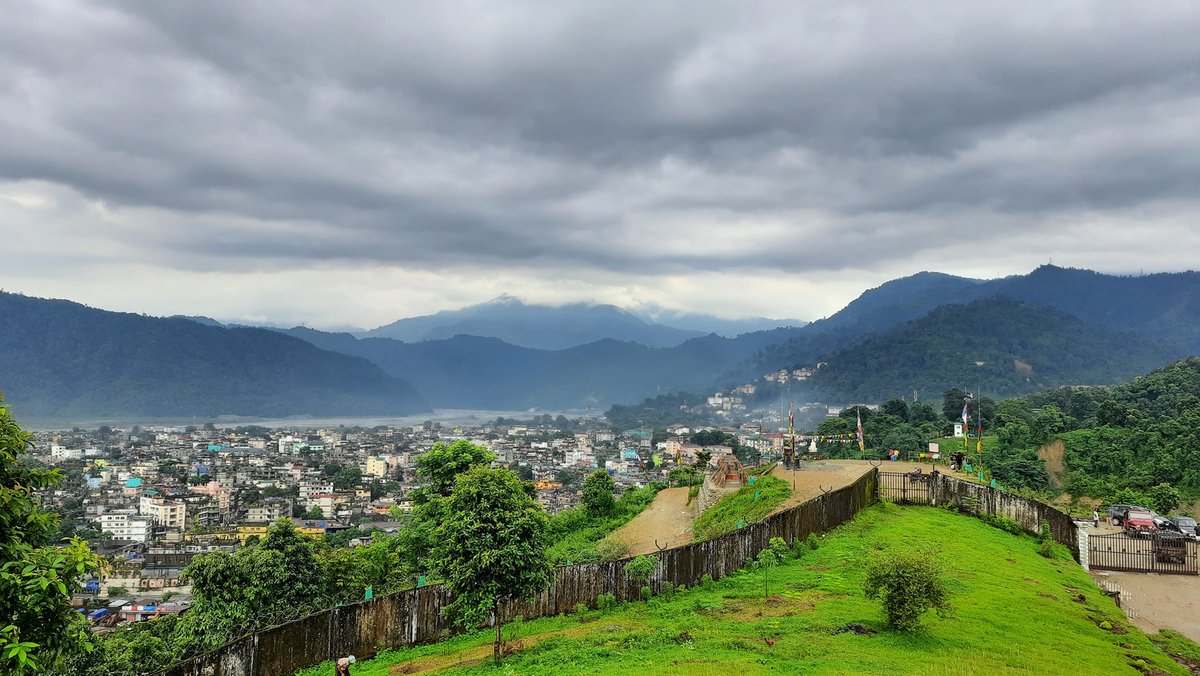
As you descend into Thimphu, the landscape opens into a broad, bustling valley with government buildings, markets and cultural centres. The transition from Paro’s quieter charm to Thimphu’s administrative energy is gentle — expect more traffic, shops and a wider range of dining options. Popular first stops in Thimphu include the Clock Tower Square, Memorial Chorten and local craft markets.
Tip: Allow time on arrival in Thimphu for acclimatisation and a relaxed stroll around a nearby market — it’s the best way to taste local life after the drive.
Responsible Travel and Cultural Respect
Bhutan places high value on cultural preservation and environmental protection. On this short road trip, small acts have a big impact: avoid littering, use toilets at rest stops, and decline plastic bags if offered. When visiting temples and villages, follow local dress codes and be sensitive during prayers and ceremonies. Your respectful behaviour helps preserve the very qualities that make the Paro–Thimphu route so special.
Suggested Itinerary Ideas
- Early-morning arrival at Paro Airport, quick visit to Rinpung Dzong if time permits, then a leisurely drive with stops at Chuzom and Tachog Lhakhang; reach Thimphu by late morning for a light lunch and market visit.
- Midday departure from Paro: combine the drive with a side visit to a handloom workshop and riverside photography; arrive in Thimphu in time for an evening cultural performance if available.
- Slow travel option: take a full day to explore each stop at leisure, include short hikes and a visit to a local farm or weaving co-op to gain deeper insight into rural Bhutanese life.
Each of these variations allows you to tailor the short drive into an enriching experience depending on your interests and energy levels.
Conclusion
The Paro to Thimphu drive is a compact introduction to Bhutan’s layered landscapes and spiritual heritage. With highlights such as Chuzom’s confluence and the dramatic Tachog Lhakhang, the route rewards those who pause and look closely. Plan for respectful stops, comfortable footwear and a camera, but also allow time to simply breathe the valley air — sometimes the slow pace and quiet views are the most memorable parts of the journey.