Northeast India in Winter: Where to Go and What to Expect
Discover how the Seven Sisters of Northeast India transform in winter — from snow-capped Tawang to misty Shillong, vibrant festivals and wildlife safaris. Practical tips, suggested itineraries, permits and packing advice for a smooth trip.
By TravMe Holidays travel team · · Updated · 6 min read
Winter in the Seven Sisters—Assam, Arunachal Pradesh, Manipur, Meghalaya, Mizoram, Nagaland and Tripura—reveals a quieter, clearer side of India’s northeastern mosaic. Crisp mornings, dramatic skies, cultural festivals and excellent wildlife-viewing combine to make December–February a rewarding time to explore. This guide outlines where to go, what to expect from weather and roads, how to prepare, and suggested itineraries to help you plan a memorable winter trip.
Why visit the Seven Sisters in winter?
Winter brings significant advantages: drier weather in many parts, reduced rainfall compared with the monsoon months, clearer mountain vistas and better visibility for wildlife. Migratory birds arrive in wetlands and floodplains, hill stations offer bracing cold and occasional frost or snow at higher altitudes, and several important festivals take place that celebrate local culture and crafts.
Highlights unique to winter
- Festivals such as Nagaland’s Hornbill and other local harvest or cultural fairs provide immersive cultural experiences.
- Clear skies give spectacular views of the eastern Himalaya in parts of Arunachal and Meghalaya.
- Birdwatching season peaks in lowland wetlands and riverine habitats in Assam and Tripura.
- Wildlife safaris in protected areas are often more productive as animals gather around water sources.
State-by-state winter guide
Assam
Assam is the primary gateway to the Northeast and a great winter choice. Mornings can be misty and chilly, but the reduced humidity means clearer days and pleasant afternoons. Kaziranga National Park is excellent for winter wildlife viewing—this is prime season for spotting greater one-horned rhinoceros, elephants and a variety of birds. River cruises on the Brahmaputra and tea-estate walks around Jorhat and Dibrugarh are especially pleasant.
Arunachal Pradesh
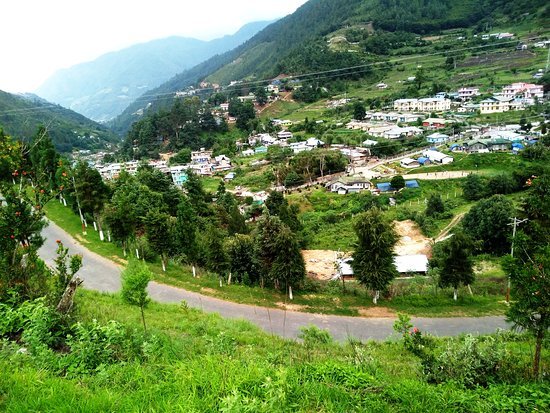
High-altitude zones such as Tawang and Bomdila become cold, sometimes snowy, offering Himalayan panoramas and an austere, monasteried landscape. Lower valleys are milder. Winter is a quieter time for treks and visits; some high passes may be closed, so check road conditions and opening of visitor facilities in advance. Inner Line Permits (ILP) or protected area permits are required for many districts—obtain these well before travel.
Manipur
Imphal and the surrounding plains are cool and dry in winter. The season is favourable for exploring cultural museums, traditional markets and the Loktak Lake region with its floating phumdis. Local festivals and traditional dance performances are often staged around winter events.
Meghalaya
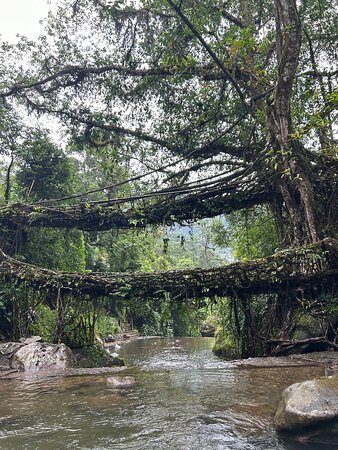
Shillong, Cherrapunji (Sohra) and Cherrapunji’s neighbouring valleys are delightful in winter: cold nights, foggy mornings and bright afternoons. Waterfalls can be less dramatic than in monsoon but the dramatic karst landscapes, living root bridges and clear views of the Khasi and Jaintia hills make winter ideal for walks. Frost is possible at higher elevations so carry warm layers.
Mizoram
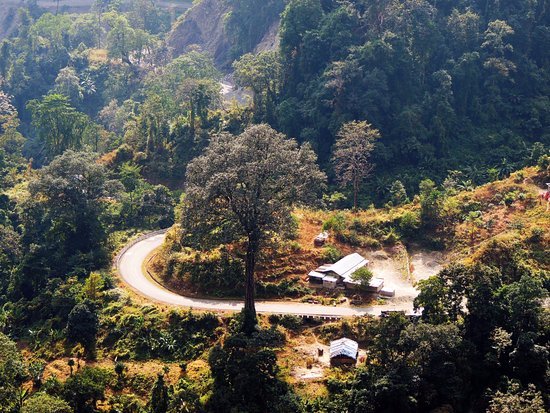
Mizoram’s hill towns and dense forests are cool and pleasant. Traditional villages and cultural experiences are at their best when the weather is dry and comfortable for exploration. Roads can be winding and slow; winter dryness generally improves accessibility.
Nagaland
Nagaland’s Kohima and surrounding areas are cool, often foggy in the mornings. The state is best known for its cultural richness—winters host festivals that showcase Naga craft, music and dance. Hornbill Festival, held in early winter in many years, attracts visitors keen to experience tribal performances and markets, though exact scheduling can vary and should be confirmed.
Tripura
Tripura is mild and dry in winter. Explore Ujjayanta Palace, local temples and rural markets. Winter is comfortable for cycling, walking tours and visiting archaeological sites without the oppressive heat of summer.
Weather and packing: what to expect
Climate varies greatly across the region—from near-subtropical plains to near-alpine conditions in Arunachal’s highlands. Plan clothing in layers and prepare for temperature swings between day and night.
Packing checklist
- Warm layers: woollen sweater, fleece, thermal innerwear for high-altitude travel.
- Light to medium down jacket for colder hill stations like Tawang or Bomdila.
- Comfortable walking shoes and a waterproof pair if you plan to trek or visit waterfalls.
- Sun protection: hat, sunglasses and sunscreen for bright days at altitude.
- Basic medicines and altitude sickness remedies if going above 3,000 m; consult your doctor.
- Power bank and a universal travel adapter; electricity supply is generally reliable but occasional outages occur in remote areas.
Permits, borders and travel logistics
Several northeastern states require permits for domestic travellers:
- Inner Line Permit (ILP) or Protected Area Permits are commonly needed for Arunachal Pradesh, Mizoram, Nagaland and parts of Manipur. The permit process varies by state—some offer online applications while others still require visiting a local office or state tourism counter.
- Carry multiple photo IDs and passport-sized photographs to speed up permit procedures.
- Border and security checks can be more frequent near sensitive areas—keep copies of permits, ID and accommodation confirmations handy.
Getting around
Road travel is the most practical way to see multiple states, though distances can be deceptively long because of mountainous terrain. Flights connect Guwahati to many regional capitals; Guwahati itself is the main rail hub with trains linking to the rest of India. Private drivers and taxis are the most flexible option for multi-day trips, while shared cabs are economical for shorter legs.
Festivals and cultural experiences
Winter is festival season in many parts of the Northeast. While precise dates change, you can expect colourful community events, craft markets and tribal dances that are welcoming to visitors.
What to look out for
- Community festivals featuring traditional attire, music and dance—ideal for cultural immersion.
- Handloom and handicraft fairs where you can buy locally woven shawls, bamboo crafts and pottery.
- Food festivals or seasonal markets offering regional delicacies; try local pork dishes, bamboo shoot preparations and smoked fish specialities.
Wildlife and birdwatching
Winter is excellent for wildlife in several states. Kaziranga in Assam, Manas and Dibru-Saikhowa are active in winter months, and wetlands attract a variety of migratory birds. Make bookings for safaris in advance because limited vehicle quotas and comfortable weather can make slots fill up faster.
Practical tips and safety
- Carry cash in smaller towns—ATMs may be scarce or out of service in remote areas.
- Respect local customs: ask before photographing people or sacred sites, and observe modest dress norms in rural communities.
- Check road conditions and local advisories in advance—mountain weather can close passes without much notice.
- Book accommodations early during festival periods; homestays are a great way to meet locals but can be limited in peak season.
- Stay health-aware: drink bottled or filtered water and follow basic food hygiene. If travelling to high altitudes, ascend slowly and allow time to acclimatise.
Suggested winter itineraries
5-day Assam & Meghalaya
- Day 1: Arrive Guwahati — relax, riverside walk and local market visit.
- Day 2: Drive to Kaziranga for an afternoon safari or evening wildlife talk.
- Day 3: Morning safari, then drive to Shillong—evening in Police Bazaar.
- Day 4: Explore Cherrapunji, Mawsmai Cave and living root bridges.
- Day 5: Return to Guwahati for departure.
9–12 day Northeast highlights
- Start in Guwahati; visit temples and take a river cruise.
- Kaziranga/Manas for wildlife safaris and tea-estate experiences.
- Shillong and Cherrapunji for hill scenery and village walks.
- Fly or drive to Dimapur/Nagaland to explore Kohima and attend cultural events where possible.
- Proceed to Imphal and Loktak Lake in Manipur, then to Agartala in Tripura if time permits.
- If you have permits and cold tolerance, include Tawang for Himalayan monasteries and snow vistas.
Final advice
Winter reveals a distinct personality of the Seven Sisters—quieter roads, clearer landscapes and intimate cultural encounters. Travel thoughtfully, allow buffer time for permits and road conditions, and embrace the region’s slow travel rhythm. Whether you’re chasing misty hilltops, festival colour or wildlife sightings, planning ahead will turn a Northeast winter trip into an unforgettable journey.
Ready to plan? Speak to a local travel specialist who can help with permits, regional flights and curated itineraries tailored to the season and your interests.