Northeast India in Summer: Cool Hill Escapes Across the Seven Sisters
Escape India’s plains heat with a summer tour of the Seven Sisters — cool hill towns, waterfalls, living root bridges and tribal cultures across Northeast India for a refreshing retreat.
By TravMe Holidays travel team · · Updated · 7 min read
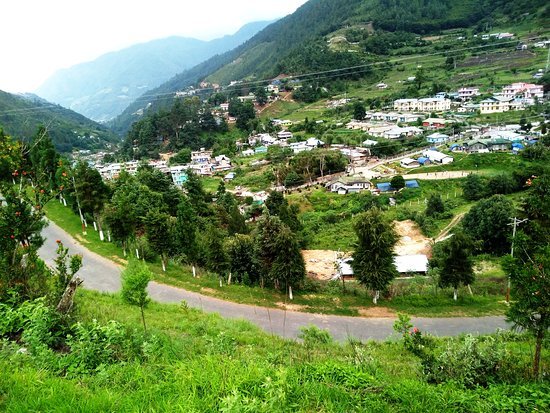
The Seven Sisters — Arunachal Pradesh, Assam, Meghalaya, Manipur, Mizoram, Nagaland and Tripura — offer some of India’s coolest summer escapes. From misty plateaus and pine-clad ridges to living root bridges and highland hamlets, the region is a sanctuary for travellers looking to trade the plains’ heat for crisp mountain air, dense forests and unique cultural encounters.
Why the Seven Sisters are perfect for a summer break
Summer in most of mainland India means stifling heat, but in the Northeast the story is different. Elevations ranging from 1,000 to over 3,000 metres keep temperatures pleasant, and frequent breeze and cloud cover create a naturally chilled atmosphere. These hill enclaves deliver cool mornings and misty evenings, dramatic waterfalls swollen by pre-monsoon showers, and a lull between the intense winter festivals and full monsoon downpours — ideal for outdoor activities and relaxed sightseeing.
Top hill escapes by state
Meghalaya: Shillong, Cherrapunji, Mawlynnong and Dawki
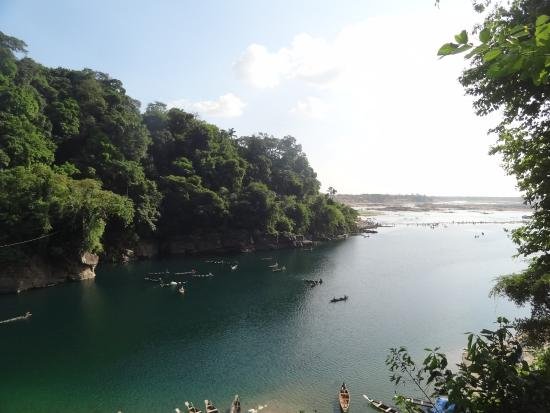
Meghalaya is the first name that comes to mind for summer cool. Shillong, the colonial-era hill town, has tree-lined lanes, coffee shops and viewpoints like Shillong Peak and Elephant Falls. Cherrapunji (Sohra) and nearby Mawsynram are famous for heavy rains, but in early summer they show spectacular waterfalls and verdant valleys. Mawlynnong, the cleanest village in Asia, and Dawki with its crystal-clear Umngot River are perfect day-trip escapes.
Arunachal Pradesh: Tawang, Ziro and Dirang
Arunachal’s high-altitude landscape is a breath of fresh air. Tawang — with its monasteries, mountain vistas and serene lakes — sits comfortably above the plain’s heat. Ziro offers verdant rice terraces and a cool plateau dotted with Apatani tribal villages; Dirang and Bomdila are smaller hill towns with pleasant weather and nature treks. Remember to check permit requirements if you plan to travel deep into border districts.
Nagaland: Kohima, Dzükou Valley and Khonoma
Nagaland’s hilly terrain and tribal homesteads are excellent summer havens. Kohima’s rolling hills and cemetery ridge offer panoramic views and cooler climes. The Dzükou Valley, straddling the Nagaland–Manipur border, is a high-altitude meadow famed for seasonal flowers and misty sunrises. Khonoma, an eco-village, blends trekking with community-led conservation.
Manipur: Ukhrul, Imphal valley fringes and hill hamlets
Manipur’s central valley is warm in summer, but its hill districts remain refreshingly cool. Ukhrul and surrounding villages are renowned for scenic trails, rhododendron forests and Tangkhul culture. Hill hamlets around Imphal offer quiet homestays and short treks into less-visited landscapes.
Mizoram: Aizawl and southern highlands
Aizawl, perched on a ridge, maintains a mild climate year-round. The state’s southern highlands and waterfall trails are ideal for those seeking solitude, rolling tea slopes and traditional Mizo hospitality. Keep in mind that administration may require permits for certain zones; plan early.
Assam: Haflong and the hills of Dima Hasao
Assam is mostly river plains, but Haflong — Assam’s only hill station — and the Dima Hasao district give a hill-station feel with cooler nights, pine forests and views over waterfalls and deep gorges. These lesser-known retreats are perfect for travellers wanting to avoid crowds.
Tripura: Jampui Hills and Unakoti
Tripura’s Jampui Hills are pleasant and green in summer, with views of rolling clouds and orange orchards. Unakoti, known for its rock-cut sculptures set amidst a forested hill, is also best visited in cooler months when walks are comfortable and the woods are fragrant.
Activities to enjoy in summer
- Trekking and day hikes: From moderate walks in Shillong to multi-day treks in Dzükou Valley and Arunachal’s high passes.
- Waterfall trails and river cruises: Dawki’s riverboat rides, numerous waterfalls in Meghalaya, and riverside walks in Assam’s hill districts.
- Cultural experiences: Visit tribal villages, night markets, and craft centres to learn local weaving, bamboo craft and cuisine.
- Birdwatching and wildlife spotting: Early mornings are excellent for endemic birds, especially in forested reserves and wetland fringes.
- Homestays and community tourism: Many hill communities offer immersive stays — a great way to learn local foods, music and customs while supporting village economies.
Suggested 7–10 day sample itineraries
Meghalaya plus short Assam hill escape (7 days)
- Day 1–2: Shillong — relax, explore local markets and viewpoints.
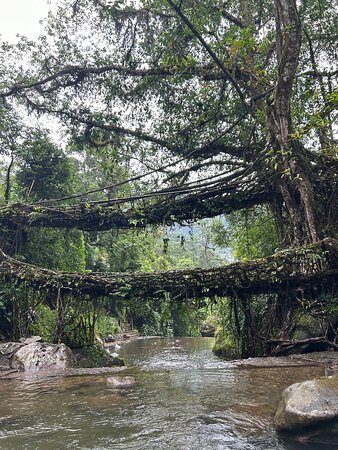
- Day 3: Cherrapunji — waterfalls and living root bridges.
- Day 4: Mawlynnong and Dawki — village walk and river boat ride.
- Day 5–6: Haflong/Assam hills or Mawphlang — quieter hill trails and sacred groves.
- Day 7: Return to Shillong and depart.
Arunachal and Ziro cultural trek (8–10 days)
- Day 1–2: Reach Itanagar and acclimatise.
- Day 3–5: Ziro Valley — explore Apatani villages and rice terraces.
- Day 6–8: Tawang — visit monasteries, lakes and highland passes.
- Return via Bomdila or Tezpur depending on road links.
Practical travel tips
Getting there and getting around
Major gateways are Guwahati in Assam and Imphal in Manipur. From these hubs, you can access most hill retreats by road or short domestic flights to smaller airstrips (subject to seasonal schedules). Roads in hilly areas are scenic but can be narrow and winding; allow extra travel time and avoid night driving where possible. Local taxis, shared jeeps and hired vehicles are common; for remote treks, book local guides.
Permits, documents and local regulations
Certain border and inner lands in the Northeast may require permits or registration, particularly for non-residents and foreign nationals. Permit rules can change, so check the latest requirements with local authorities, your tour operator or government portals before travel. Respect local customs and any community protocols, especially when visiting tribal villages.
Weather and when to go
Late spring and early summer (April–June) are ideal: temperatures are cool, rhododendrons and wildflowers are in bloom at higher elevations, and monsoon rains are usually yet to peak. Once the monsoon arrives, landslides and heavy rainfall can disrupt travel, but lowland waterfalls and forests will be at their lushest if you don’t mind wet conditions.
Packing essentials
- Layered clothing: light woollens or fleeces for mornings and evenings, breathable shirts for daytime.
- Good walking shoes with grip, and a pair of sandals for riverside walks.
- Rain shell and quick-dry clothing — pre-monsoon showers are common.
- Sun protection: hat, sunglasses and sunscreen — high altitudes still mean strong sun.
- Basic medical kit, mosquito repellent and any personal prescription medicines.
- Power bank and local SIM/data plan; connectivity can be patchy in highlands.
For a truly refreshing summer, choose smaller hill towns or community homestays: you’ll enjoy cooler air, personalised hospitality and less tourist bustle than major destinations.
Safety, health and responsible travel
Hills are generally safe, but exercise standard precautions: avoid risky sections after heavy rain, keep valuables secure, and let hosts know your plans if you trek solo. Altitude in most Seven Sisters hill stations is moderate, but allow time to acclimatise if you’re heading to high passes. Carry clean drinking water or a purification method when venturing into remote areas.
Respect local cultures and the fragile mountain ecology: follow marked trails, avoid littering, decline single-use plastics where possible, and support locally run homestays and guides to ensure tourism benefits communities.
Food and sleep: homestays, eco-resorts and hill cafes
Food across the Seven Sisters varies from rice-and-fish staples to millet, bamboo shoots, smoked meats and unique tribal side dishes. In hill towns you’ll find cosy cafés in Shillong and Aizawl, roadside eateries selling local fare, and homestays serving home-cooked meals. Homestays are often the best way to experience regional cuisine and music, and eco-resorts can provide a comfortable base with views and guided activities.
Final suggestions for planning
- Plan routes with buffer days — landslides and weather can cause delays.
- Book homestays and guided treks in advance in peak summer weeks to secure the best village experiences.
- Engage local guides for treks; they enhance safety, navigation and cultural insight.
- Carry a lightweight daypack for short hikes and village walks so you can be flexible with last-minute explorations.
Whether you pick Meghalaya’s living root bridges, the lofty monasteries of Tawang, the floral meadows of Dzükou, or the quiet charm of Jampui Hills, the Seven Sisters deliver cool, characterful summer escapes. These hill retreats combine nature, culture and adventure — perfect for travellers from India’s plains seeking crisp air, green vistas and warm hospitality.
Conclusion: The Seven Sisters are a summer blessing for those who love hills, culture and outdoor living. Plan with flexibility, respect local requirements and customs, and you’ll return with cooler memories and stories that stay long after the monsoon arrives.