Mobile Network and Internet in Ladakh: What Works Where
A practical guide to mobile network and internet connectivity in Ladakh — what networks work in Leh, Nubra, Pangong, Zanskar and along the highways, plus tips for staying connected off-grid.
By TravMe Holidays travel team · · Updated · 6 min read
Ladakh’s stark landscapes and high-altitude roads make it one of India’s most dramatic travel experiences. Connectivity here can be unpredictable: some towns have reliable 4G, while remote valleys and high passes rely on patchy voice signals, slow data or no mobile coverage at all. This guide explains which networks work where, how to prepare before you go, and the best options for staying connected while exploring Ladakh.
Overview: The connectivity landscape in Ladakh
Connectivity in Ladakh is shaped by geography and infrastructure. Leh town and major tourist hubs have the best mobile and internet access because of fibre and cellular towers. As you move into remote valleys — Nubra, Pangong, Tso Moriri, Zanskar — expect intermittent service. High mountain passes, deep gorges and long stretches of highway often fall into mobile blackspots. Seasonal factors such as winter snow, landslides, or heavy tourist traffic can also affect network performance.
Which operators are present?
Indian national operators such as BSNL, Jio and Airtel have a presence in Ladakh, but their coverage differs by location. Public sector provider BSNL historically provided the most ubiquitous voice coverage in remote areas. Private operators have expanded 4G services in recent years, especially in Leh and on popular tourist routes. No operator offers complete, uninterrupted coverage across the entire region.
What works where: town-by-town and route-wise breakdown
Leh town
Leh is the best-connected place in Ladakh. You will find strong mobile signals, reliable voice calls and usable 4G data in and around the town. Most hotels, cafes and shops offer Wi-Fi — though speeds vary. If staying in Leh for a few days, you can confidently use internet banking, video calls and navigation apps.
Nubra Valley (Diskit, Hunder)
Nubra has improved coverage near major settlements thanks to towers serving Diskit and Hunder. Expect usable voice and occasional 4G in village centres and along parts of the road. Away from villages — in sand dunes, camps or on side tracks — service becomes patchy or disappears.
Pangong Tso and Changthang
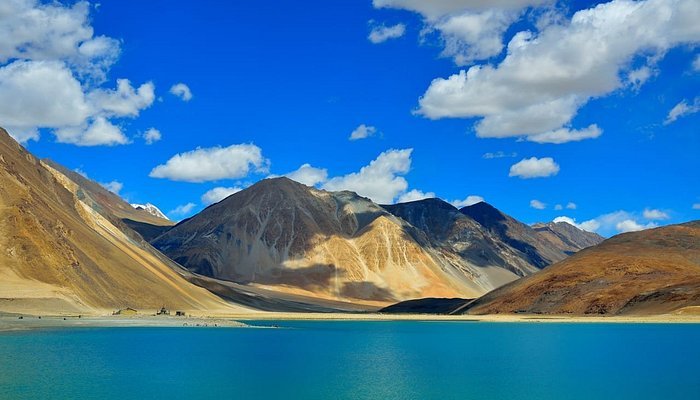
Pangong has limited cellular access. Near the lakeside camps closer to the highway and near the Chinese border, you may find intermittent voice and weak data. As you move to the far end of the lake or to remote Changthang plains, anticipate no mobile service. If you need connectivity near Pangong for logistics or emergencies, plan around the few spots where signals appear.
Tso Moriri
Tso Moriri region is sparsely populated; coverage is minimal. You might encounter brief pockets of signal near established settlements and checkposts, but overall mobile internet is unreliable. Travellers should prepare to be offline for long stretches.
Kargil and surrounding areas
Kargil town has reasonable mobile service, often with both voice and data. However, connectivity along the Srinagar-Leh highway can be inconsistent, especially in remote stretches and high-altitude passes. The Line of Control region and military zones may have restricted or controlled communications in places.
Zanskar and remote valleys
Zanskar is one of the least connected regions. Most villages have little or no mobile coverage; some may have a single operator’s basic voice service. In winter and during river-crossing treks, do not expect any reliable internet access.
High passes and highways (Khardung La, Chang La, Baralacha La, etc.)
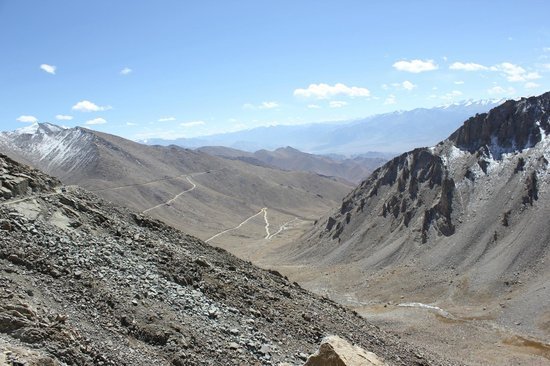
High passes are generally mobile blackspots. At times you may pick up a weak signal at pass summits or on sheltered approaches, but don’t depend on it. Long stretches of the Manali-Leh and Srinagar-Leh highways go through valleys with little or no cellular reception.
Types of connectivity beyond cell networks
Satellite phones and VSAT
For travellers and teams who must maintain constant contact in the most remote regions — scientific teams, film shoots, emergency services — satellite phones and VSAT systems are used. These are costly and require planning, permits and appropriate hardware. Recreational travellers rarely need satellite services, but they are indispensable for high-risk expeditions.
Local internet cafes and guesthouse Wi‑Fi
Many guesthouses, camps and hotels in Leh and other tourist hubs offer Wi‑Fi. Speeds fluctuate and may be slow during peak season. Internet cafes are fading but still exist in some towns for basic emailing or uploads. Always check reliability and data security before using public Wi‑Fi for sensitive transactions.
Practical tips for staying connected in Ladakh
SIM cards, eSIMs and ID requirements
- Carry a valid photo ID and copies: Most Indian SIM activations require an Aadhaar or passport and a passport-sized photograph. Foreign nationals should carry passport copies and visa pages.
- Consider buying a local SIM in Leh rather than relying on mobile roaming. Local operators will serve you better in many parts of Ladakh.
- eSIMs: Some operators offer eSIMs with data plans that can be activated before travel. These can be convenient but check regional coverage details for Ladakh before relying on them.
Power, battery life and charging
Cold temperatures drain batteries rapidly. Carry multiple power banks, spare phone batteries (if your device allows), and a car-charger if you’re on a road trip. Many homestays and camps have power cutoffs; plan to charge devices during the day and keep them warm at night to preserve battery life.
Offline tools and data-saving strategies
- Offline maps: Download Google Maps offline areas or Maps.me regions for navigation where GPS works without data.
- Offline entertainment: Download music, podcasts and books beforehand.
- Compression and low-bandwidth modes: Use messaging apps’ low-data options, reduce photo upload sizes and avoid video streaming while on cellular data in Ladakh.
Safety and emergency communication
Inform someone of your itinerary and daily check-in schedule when heading to remote areas. Carry a physical permit and printed directions. In regions with patchy networks, establish meeting points and contingency plans. If you are part of a group, radios or dedicated satellite communicators can be lifesavers in an emergency.
Tips by traveller type
For self-drive and motorbike riders
- Expect long stretches without coverage; don’t rely on live navigation alone. Carry printed maps and offline map downloads.
- Keep spare charging solutions and a small toolkit; long rides and rough roads can exhaust both gadgets and machines.
- Know the towns on your route where you can refill data, restock supplies and check weather or road conditions.
For camper and homestay travellers
- Confirm Wi‑Fi availability before booking if you need steady internet for work or urgent communication.
- If camping lakeside or in high pastures, treat connectivity as a luxury: plan for being offline and carry alternatives.
For photographers and content creators
- Backup images to an external SSD or portable drive daily. Cloud backups are possible in Leh, but uploading large RAW files will be slow elsewhere.
- Plan social media uploads from Leh or other connected towns. Use compressed previews for on-the-go posting.
Government and military restrictions
Certain border areas and restricted zones in Ladakh have controlled communications and special permit regimes. Some areas may have deliberate signal limitations or monitoring for security reasons. Always follow local authorities’ instructions and ensure you possess the required permits to enter restricted sectors.
Checklist before you go
- Buy or activate a SIM or eSIM known to work in Leh; carry ID for activation.
- Download offline maps and save important contacts locally.
- Pack at least one high-capacity power bank and a car charger adapter.
- Inform a contact back home of your itinerary and check-in schedule.
- Consider satellite communication only if your trip involves high-risk, remote activity.
Practical note: Treat Ladakh as a place to disconnect as much as connect. Good planning lets you enjoy the wilderness while having the communication backup you need for safety and comfort.
Connectivity in Ladakh is improving as infrastructure expands, but the landscape will always pose limits. By understanding where networks work, preparing backups and adopting simple data-saving habits, you can enjoy the region’s dramatic beauty without unpleasant surprises.
Safe travels — and remember that sometimes the best moments in Ladakh are the ones you live offline.