Manali to Leh Highway: A Complete Road Trip Guide
Everything you need to plan and drive the iconic Manali–Leh Highway: best time to go, acclimatisation, permits, route highlights, vehicle prep, safety tips and a sample itinerary for a smooth high‑altitude road trip.
By TravMe Holidays travel team · · Updated · 6 min read
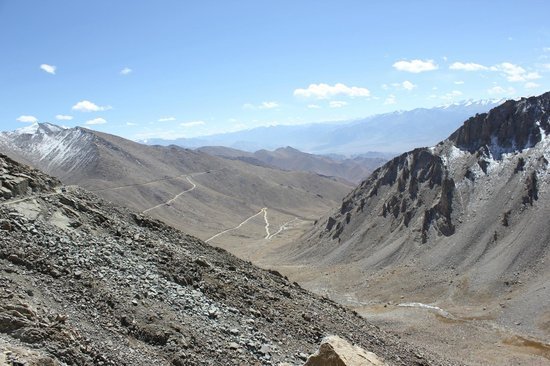
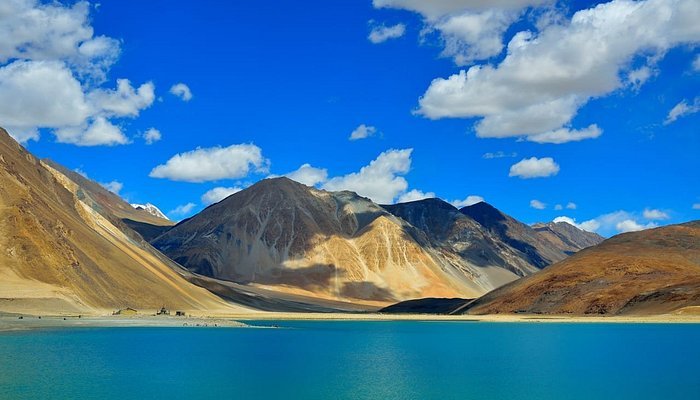
The Manali–Leh Highway is one of India’s most dramatic high‑altitude road journeys — a succession of rocky passes, stark deserts, crystalline streams and remote villages that together make an unforgettable adventure. This guide covers practical planning, permits and safety, road conditions, must‑see stops and sensible daily plans to help you enjoy the route without unnecessary risk.
Why choose the Manali–Leh Highway?
Beyond the sheer spectacle of landscapes, the Manali–Leh Highway offers an immersive experience of isolation, challenge and reward. Unlike the Srinagar route, this road climbs quickly from the green hills of Kullu into the cold desert of Ladakh, crossing multiple high passes and the famous Pang Valley. It’s ideal for travellers who relish remote driving, camping, motorbiking or road trips where scenery unfolds constantly and settlements are few and far between.
When to go
The highway is typically open from late May/early June to September/early October. Snow closes the road in winter and shoulder seasons can be unpredictable. Weather windows are narrow at high passes — summer months give the best chance of clear roads and accessible fuel and accommodation services. Still, storms and landslides can happen; plan some schedule flexibility.
Essential permits and documents
Permits are mandatory and vary by nationality and current regulations. Before departure:
- Check the latest rules with the local administration or your tour operator. Permits are issued by the District Magistrate’s office in Leh or via authorised counters in Manali or online portals where available.
- Foreign nationals usually require a Protected Area Permit (PAP) to enter Ladakh. Indian citizens may need a permit or Inner Line authorization for certain restricted border zones. Nationals should carry valid identity proof (original documents).
- Carry vehicle documents: RC book, valid driving licence, insurance, and pollution certificate (if applicable).
Route overview and daily plan options
Typical Manali–Leh drives take 2–4 days depending on pace and weather. Roads are mostly single lane, often rough and unpaved. Here are common stopover plans:
Standard 3‑day plan (fast, for experienced drivers)
- Day 1: Manali to Jispa/Keylong — gradual ascent through Rohtang Pass and Lungri/Gramphu.
- Day 2: Jispa/Keylong to Sarchu — cover Baralacha La, Suraj Tal and camp at Sarchu or stay in roadside tents.
- Day 3: Sarchu to Leh — cross Lachulung La, Tanglang La, pass the More Plains and arrive in Leh by evening.
Relaxed 4–5 day plan (recommended)
- Day 1: Manali to Keylong/Jispa — take it easy after Rohtang; rest and hydrate.
- Day 2: Acclimatise day in Jispa/Keylong — short walks, local sights, avoid strenuous activity.
- Day 3: Keylong/Jispa to Sarchu — long but scenic day; stay overnight at Sarchu or camp.
- Day 4: Sarchu to Pang/More Plains — cross high passes like Lachulung La; overnight en route.
- Day 5: Reach Leh — arrive afternoon/evening and rest for proper acclimatisation in Leh.
Key places and high passes to watch for
- Rohtang Pass: First major ascent; weather dependent and often congested in peak season.
- Baralacha La (4,890 m): Scenic with nearby Suraj Tal lake; roads can be challenging.
- Sarchu (4,200 m): A common overnight halting point with tented accommodation.
- Lachulung La and Tanglang La: Two long, high passes after Sarchu that mark the final stretch into Ladakh.
- More Plains and Upshi: Vast open plains before the descent into Leh valley.
Vehicle choices and preparation
Pick a high‑clearance, mechanically sound vehicle with good tyres. Popular choices include SUVs and high‑capacity motorbikes. Before departure:
- Get a full mechanical check: engine, cooling, brakes, suspension and battery.
- Change to fresh, high‑quality tyres and carry two spares, puncture kits and tools.
- Install auxiliary lights and a sturdy roof rack if you plan to carry extra fuel or equipment.
- Fuel up often: petrol pumps are sparse beyond Keylong; carry extra fuel in approved jerrycans if necessary.
Safety, health and acclimatisation
Altitude sickness is the biggest health risk. Symptoms include headache, nausea, dizziness and breathlessness. To reduce risk:
- Follow a conservative acclimatisation schedule — include at least one acclimatisation day before climbing beyond 3,000–3,500 m.
- Stay hydrated, eat light and avoid alcohol during ascent.
- Consider talking to a doctor about prophylactic medication for acute mountain sickness if you have prior issues.
- Keep a basic first aid kit, oxygen cylinder or portable oxygen canister, and medication for altitude sickness (only as advised by a medical professional).
Packing list for the highway
- Warm layers (thermals, fleece, windproof jackets), gloves and woollen cap — nights are cold even in summer.
- Sunglasses with UV protection, sunscreen and lip balm — sunlight is intense at altitude.
- Drainable water bottles or hydration packs, water purification tablets, energy bars and light meals.
- Sleeping bag rated for low temperatures if camping; headlamp, power bank and spare phone charger.
- Reliable maps, offline GPS and a printed copy of key contact details/permits.
Road conditions and driving tips
Expect a mix of tar, gravel and long stretches of boulder‑strewn tracks. Drive defensively:
- Maintain low gears on climbs and controlled braking on descents to avoid overheating brakes.
- Keep to the left and watch for oncoming traffic, army convoys and livestock.
- Reduce speed on loose gravel and at river crossings; heed local drivers’ advice and temporary diversions.
- Start early to avoid afternoon weather changes and give yourself daylight for remote stretches.
Accommodation and food
Options vary from municipal guesthouses and eateries in Keylong and Jispa to tented camps at Sarchu and basic dhabas en route. In Leh you’ll find an increasing range of hotels and guesthouses. Carry essential snacks and an emergency food supply for at least a day more than planned, in case of roadblocks or delays.
Connectivity and services
Mobile networks can be patchy; BSNL/BSNL‑partnered services and some private networks work intermittently along the route and improve in Leh. Fuel pumps, repair shops and medical facilities are scarce between major stops — plan fuel and service stops carefully. Inform family or friends of your itinerary and check in when mobile reception allows.
Responsible travel and local etiquette
Respect fragile environments and local culture. Avoid littering, use marked camping spots when available, and be mindful of water scarcity in high altitude villages. If visiting monasteries or village homes, dress modestly and ask permission before photography.
Tip: Give yourself time — the highway is not just about reaching Leh, it’s about savouring the changing landscape and staying safe while you do it.
Sample essentials checklist
- Permits and ID copies; vehicle papers
- Warm clothing, sleeping gear and sun protection
- Spare tyres, tools, towing rope, jump leads
- Extra fuel, water and non‑perishable food
- First aid kit, oxygen aid, medications
- Offline maps, chargers and power banks
Final notes
The Manali–Leh Highway rewards patience, preparation and respect for the mountain environment. Whether you’re on a motorbike, in a self‑drive SUV or with an experienced driver, thoughtful planning will make the difference between an exhausting slog and an exhilarating, life‑affirming journey. If you are unsure about driving at altitude, consider hiring local drivers or joining a small group — they bring local knowledge that can be invaluable on tricky days.
Ready to plan? Check current permit rules, confirm vehicle readiness, and build a flexible itinerary that gives altitude time to settle. With care and curiosity, the Manali–Leh Highway is one of India’s most memorable road trips.