Leh City Guide: Top Things to See and Do
A practical, insider guide to exploring Leh—covering sightseeing, day trips, acclimatisation, permits, where to eat and stay, and essential travel tips for a safe, memorable Ladakh trip.
By TravMe Holidays travel team · · Updated · 7 min read
Leh, the high-altitude capital of Ladakh, is a compact town threaded with narrow lanes, prayer flags and ancient gompas. This guide helps you plan what to see and do in and around Leh, combining must-visit landmarks with practical tips on acclimatisation, permits, transport and responsible travel.
Why Leh deserves a spot on your travel plans
Perched at about 3,500 metres above sea level, Leh is both a gateway and a destination. Its starkly beautiful landscapes, Buddhist monasteries, Tibetan-influenced culture and access to dramatic high-altitude lakes make it uniquely compelling. Whether you’re drawn by spiritual calm, adventure sports or simply the thrill of high-altitude road trips, Leh offers experiences that stay with you.
Best time to visit
Leh’s tourist season runs from late May to September when temperatures are milder and key roads—Manali-Leh and Srinagar-Leh—are open. Summer days are pleasant while nights can be chilly. For snowbound landscapes and solitude, late October to March is possible but many roads, guesthouses and services close in winter. Plan and book early for the peak months.
Getting to Leh
By air
Kushok Bakula Rimpochee Airport in Leh is the quickest option from major Indian cities. Flights operate year-round but can be weather-dependent. Arrive rested and ready to prioritise acclimatisation.
By road
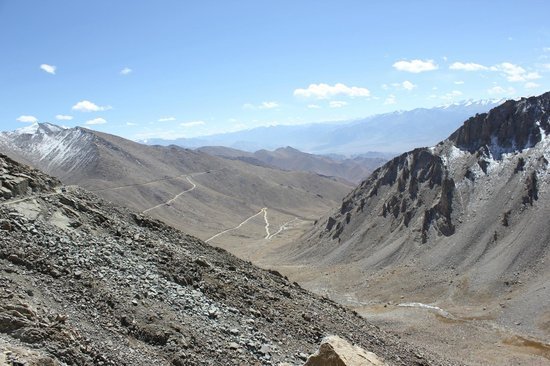
The Srinagar-Leh and Manali-Leh highways are legendary road-trip routes. These journeys are long and challenging with high passes; they are best attempted over multiple days with acclimatisation stops. If planning a self-drive or bike trip, ensure your vehicle is well serviced and you carry emergency supplies.
Permits and regulations
Most tourists need an Inner Line Permit (ILP) to visit Nubra Valley, Pangong Tso, Tso Moriri and other protected areas beyond Leh. Indian nationals can get permits locally in Leh or online; foreign nationals require Protected Area Permits (PAP) obtained through registered tour operators or the District Administration. Always carry original photo ID and copies while travelling.
Acclimatisation and health advice
Altitude sickness is a real concern in Leh. Spend at least 24–48 hours resting after arrival—avoid strenuous activity, alcohol and heavy meals. Stay well hydrated, eat light, and get plenty of rest. Recognise symptoms like headache, nausea, dizziness and breathlessness. If symptoms worsen or do not improve, descend immediately and seek medical help. Carry basic medication, a pulse oximeter if possible, and consult your physician about prophylactic medicines if you have prior health concerns.
Top sights in Leh town
Leh Palace
An iconic multi-storey Mahal overlooking the town, Leh Palace offers panoramic views and a glimpse into the region’s royal past. Its architecture and nearby viewpoints are great for photography, particularly at sunrise or sunset.
Shanti Stupa
A white-domed peace pagoda with sweeping views of Leh and the surrounding mountains. Early morning or late afternoon visits are most peaceful; the stupa is significant for reflection and offers good vantage points for wide-angle photos.
The Main Bazaar and Old Market
Leh’s bazaar buzzes with shops selling Tibetan handicrafts, pashmina shawls, prayer wheels, jewellery and local snacks. It’s a good place to buy souvenirs, try momos and thukpa, and soak up everyday life. Haggle politely—prices are often flexible.
Shergar Gompa and Spituk Monastery
These nearby monasteries host colourful rituals and festivals. Their hilltop locations provide serene ambiences and impressive views. Respect local customs—remove shoes and dress modestly when entering prayer halls.
Essential day trips from Leh
Pangong Tso
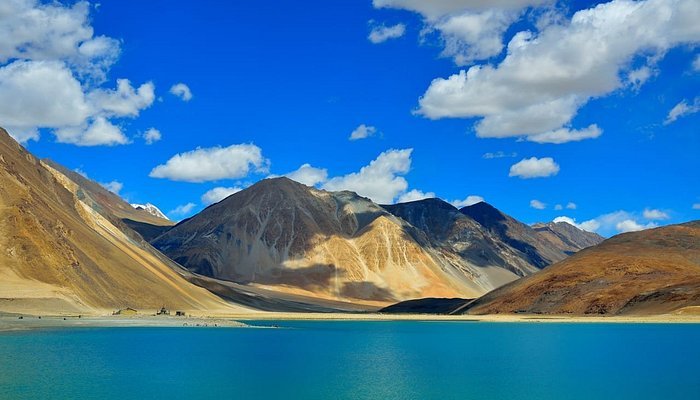
About 5–6 hours away, Pangong Tso’s shifting blue hues and stark lakeshore scenery are unforgettable. It became globally famous after a Bollywood film, but the lake’s remote serenity can't be overstated. Note that permits are required, and accommodation options are basic; many visitors do an overnight camp at the lakeside.
Nubra Valley and Diskit
Cross the Khardung La pass (verify vehicle pass status and conditions) to reach Nubra Valley. Highlights include the sand dunes at Hunder, double-humped Bactrian camels, and Diskit Monastery with its large statue of Maitreya Buddha.
Tso Moriri
Less crowded than Pangong, Tso Moriri is a high-altitude lake south of Leh characterised by solitude and birdlife. The journey is longer and roads are rough, but the landscape is dramatic and a favourite for wildlife photographers.
Magnetic Hill and Gurudwara Pathar Sahib
Magnetic Hill is a quirky optical illusion where vehicles appear to roll uphill—fun for a short stop. Nearby Gurudwara Pathar Sahib is a calm place with stories of Sikh heritage in Ladakh.
Adventure activities
- Trekking: Short treks like the Stok Kangri base (subject to seasonal conditions) and day hikes around Leh offer stunning views. Use local guides and check trail conditions.
- Mountain biking: Leh-Manali and Leh-Srinagar stretches are popular among adventure cyclists. Hire bikes from Leh or join guided tours.
- River rafting: The Zanskar river offers thrilling white-water sections during summer months; operators in Leh provide equipment and guides.
- Rock climbing and mountaineering: Several local outfitters offer courses and guided climbs—ensure credentials and safety standards.
Where to eat and drink
Leh’s food scene blends Ladakhi, Tibetan and North Indian cuisines. Try hearty momos, thukpa, butter tea and local yak dishes if available. Cafés around the main market serve excellent teas, baked goods and continental options. For travellers mindful of altitude, prefer simple, easily digestible meals and avoid excessive alcohol—both can worsen altitude effects.
Where to stay
Leh offers a range of accommodation from budget guesthouses and homestays to mid-range hotels and luxury tented camps near lakes. Homestays provide cultural interaction and local knowledge, while higher-end properties focus on comfort and oxygen-aided services for high-altitude guests. Book in advance during peak season.
Shopping and souvenirs
Look for authentic pashmina shawls, handwoven rugs, prayer beads, thangka paintings and local silver jewellery. Buy from reputable shops to avoid counterfeit goods. If purchasing antiques or religious artefacts, ask about provenance and respect any export restrictions.
Festivals and cultural experiences
Leh celebrates vibrant festivals like Hemis, Ladakh Festival and Dosmoche, featuring masked dances, music and local rituals. Attending a festival is a wonderful way to experience Ladakhi culture—check festival dates before planning your trip, as they follow the Tibetan lunar calendar and vary each year.
Practical tips for first-time visitors
- Take it slow: Rest on arrival and delay strenuous activities to reduce the risk of altitude sickness.
- Packing essentials: Warm layers, sunglasses, sunscreen, lip balm, comfortable walking shoes, a reusable water bottle and basic medicines.
- Cash and cards: ATMs are available in Leh but can be unreliable; carry enough cash for remote trips. Inform your bank before travelling to avoid card blocks.
- Connectivity: Mobile and internet services are available but patchy in remote valleys. Download offline maps and keep printed copies of important documents.
- Respect local customs: Ask before photographing people, follow dress codes at monasteries and dispose of waste responsibly.
Travel gently: Ladakh’s fragile ecosystem and water resources need protection. Minimise plastic use, avoid open fires, and support local businesses and homestays.
Safety and environmental considerations
Driving in Ladakh requires caution—roads are narrow, weather can change fast and drivers should be experienced. Hire reputable drivers with recent local knowledge. Protect the environment by following marked trails, carrying out your trash, and respecting wildlife. Keep emergency contacts and the location of the nearest hospital handy when venturing into remote areas.
Sample 3-day Leh itinerary
- Day 1: Arrive in Leh, rest and light walk around the Bazaar, visit Shanti Stupa at sunset.
- Day 2: Half-day tour of Leh Palace and Spituk/Shergar Gompas; afternoon visit to Magnetic Hill and Gurudwara Pathar Sahib.
- Day 3: Day trip to Pangong Tso or Nubra Valley (long day)—start early, carry snacks and necessary permits.
When to seek local help
If you experience severe altitude sickness symptoms, chest pain, persistent vomiting or disorientation, contact local medical services and descend to a lower altitude immediately. Tour operators and guesthouses in Leh are generally experienced with altitude-related emergencies and can advise you on evacuation if necessary.
Leh is a place of striking contrasts—harsh yet welcoming, quiet yet full of life. With proper planning, a respectful attitude and time to acclimatise, your visit can be safe, comfortable and deeply rewarding. Take your time, savour the landscape, and let the high plateau work its quiet magic.
Conclusion: Leh offers a unique blend of culture, adventure and raw natural beauty. Prioritise acclimatisation, respect local norms, and plan permits and logistics in advance. Whether you’re here for spiritual calm, high-altitude thrills or scenic road trips, Leh promises memories that last a lifetime.