Ladakh Weather Month by Month: What to Expect Through the Year
A month-by-month guide to Ladakh's weather, helping you plan when to go, what to pack, and how to prepare for altitude, road access and seasonal activities throughout the year.
By TravMe travel team · · 8 min read
Ladakh's weather is extreme and ever-changing: one day can bring brilliant blue skies and the next, a sudden snowstorm. Understanding month-by-month conditions helps you choose the right time to visit, pack smartly and plan activities safely. This guide walks you through the year, highlighting temperatures, road and flight access, things to do, and practical tips for acclimatisation and packing for each period.
Overview: What makes Ladakh's weather unique?
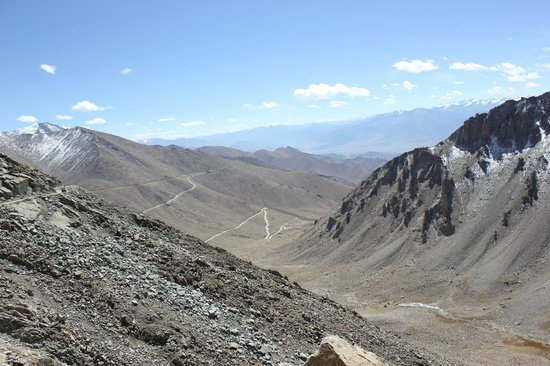
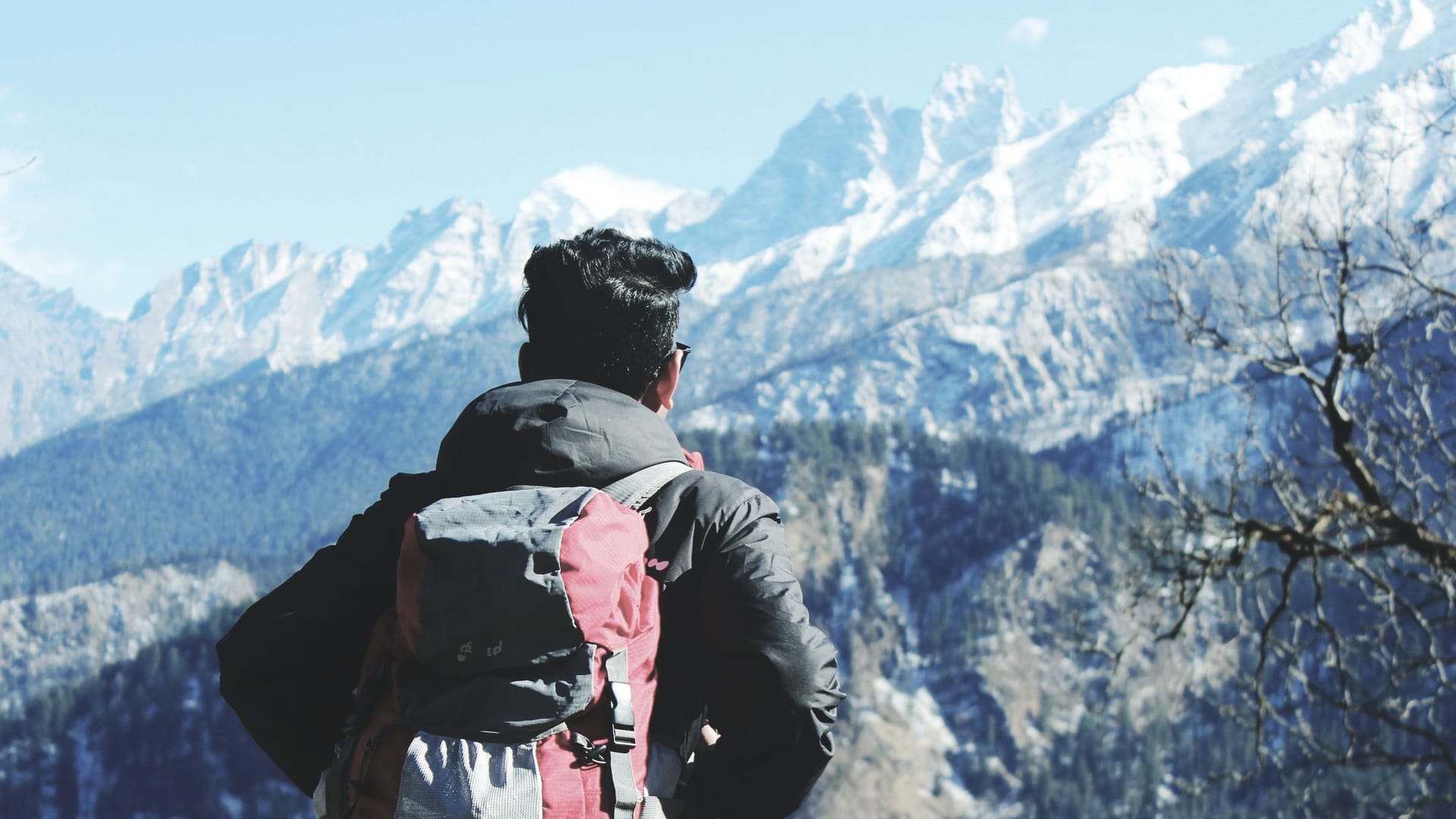
Ladakh sits on the high-altitude plateau of the Trans-Himalaya. Most of the region ranges between 3,000 and 5,500 metres above sea level, so air is thin and temperatures swing widely between day and night. The climate is rain-shadowed, meaning it is dry compared to other parts of India, with most precipitation falling as snow in winter. Two major practical implications are: short comfortable summers and long, harsh winters when many roads close and villages can be snowbound.
January: Deep winter — extreme cold and snow
January is one of the coldest months. Temperatures in Leh often dip well below freezing, and higher passes and valleys experience deep snow. The region is largely quiet; life in Leh carries on but many remote villages and roads are inaccessible.
What to expect
- Heavy snow in high-altitude passes and valleys; clear, crisp days when skies clear.
- Short daylight hours and freezing nights; daytime sunshine can be deceiving—sun feels strong but air is thin and cold.
- Limited road access; many inner roads and passes remain closed.
Activities and travel tips
- Indoor cultural experiences: monasteries, local markets and festivals in Leh if timing aligns.
- Be prepared for sudden weather changes. Carry high-quality cold-weather gear and layered clothing.
- Flights may be irregular due to fog or snow; keep flexible plans.
February: Still winter, slowly improving conditions
February remains a winter month with extreme cold persisting. Occasional clear spells offer stunning Himalayan vistas, but snow at higher elevations continues to restrict travel.
What to expect
- Similar conditions to January with gradual lengthening of daylight.
- Snowdrifts at high passes; local snow-clearing underway in Leh.
Activities and travel tips
- Photographers find a unique beauty in snow-clad landscapes and sharp light.
- Check flight availability and road status frequently; keep contingency days.
March: Transition month — thinning snow, chilly winds
March marks the slow transition toward warmer months. Nights remain cold, but afternoons begin to warm slightly. Roads to Leh may still be closed, especially the high passes, but town-level accessibility improves.
What to expect
- Unpredictable weather: some days feel like early spring, others like deep winter.
- Snowmelt starts at lower elevations; higher passes are still snowbound.
Activities and travel tips
- Good for a quieter visit to Leh and acclimatisation before heading to higher altitudes later in the season.
- Carry windproof and insulated layers; trekking routes are not yet reliably open.
April: Early spring — opening up for visitors
April sees longer, sunnier days and gradual thawing. Some motorable roads and trekking trails start to open, though snow patches can persist at higher altitudes. This month is attractive for those who prefer fewer crowds.
What to expect
- Day temperatures comfortably cool; nights remain chilly.
- High passes like Khardung La and Chang La may still have snow, while lower routes towards Nubra and Pangong begin to clear later in the month.
Activities and travel tips
- Ideal time for acclimatisation walks around Leh and light sightseeing.
- Pack thermal innerwear, a warm jacket, gloves and good trekking shoes; sunscreen and sunglasses are essential.
May: Peak season begins — long daylight, festival time
May is one of the best months to visit Ladakh. Temperatures become pleasantly cool to mild, and most roads and passes begin to open. This is also when several local festivals and the tourist season pick up pace.
What to expect
- Daytime temperatures can be warm in sunlit areas but nights are still cold enough to require warm layers.
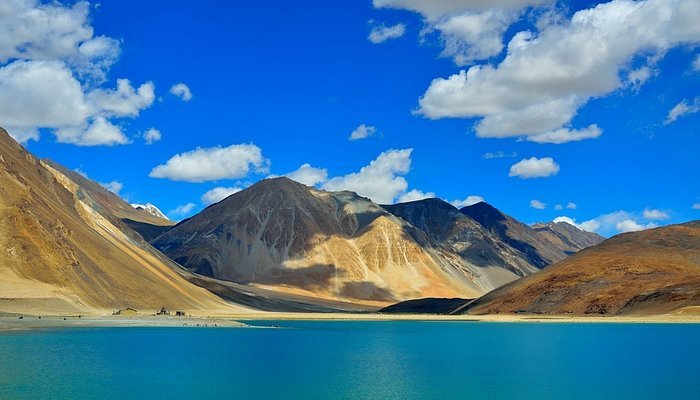
- Roads to popular attractions such as Nubra Valley and Pangong Lake usually open mid-to-late month, depending on snow clearance.
Activities and travel tips
- Excellent month for road trips, high-altitude motorbiking and trekking at lower elevations.
- Book transport and permits in advance as demand rises. Continue to pace yourself for acclimatisation.
June: Summer sets in — warm days, accessible high passes
June offers long, sunny days and is a peak month for tourism. High mountain passes are typically open, making it ideal for classic Leh-Manali and Leh-Srinagar routes. Clear weather provides spectacular views across the Himalaya.
What to expect
- Warm afternoons with cool nights. UV radiation is strong—sun protection is crucial.
- Most trekking routes into popular areas are accessible; altitude acclimatisation remains important.
Activities and travel tips
- Plan multi-day treks, river rafting in specified stretches, motorcycling and cultural circuits.
- Hydrate regularly, avoid overexertion on the first day in Leh, and consider acclimatisation days before strenuous activities.
July and August: Monsoon edge and greener Ladakh
While Ladakh remains mostly in the rain shadow and receives minimal monsoon rainfall compared to the plains, July and August bring occasional rains and cloudier skies, especially in southern and eastern fringes. Rivers swell with glacial melt making some river crossings tricky.
What to expect
- Cool to warm days, occasional rain or drizzle in Leh; stronger precipitation in the Zanskar region and parts bordering Himachal/Kashmir.
- Landscapes become greener, especially around villages and riverbanks. Higher passes remain accessible.
Activities and travel tips
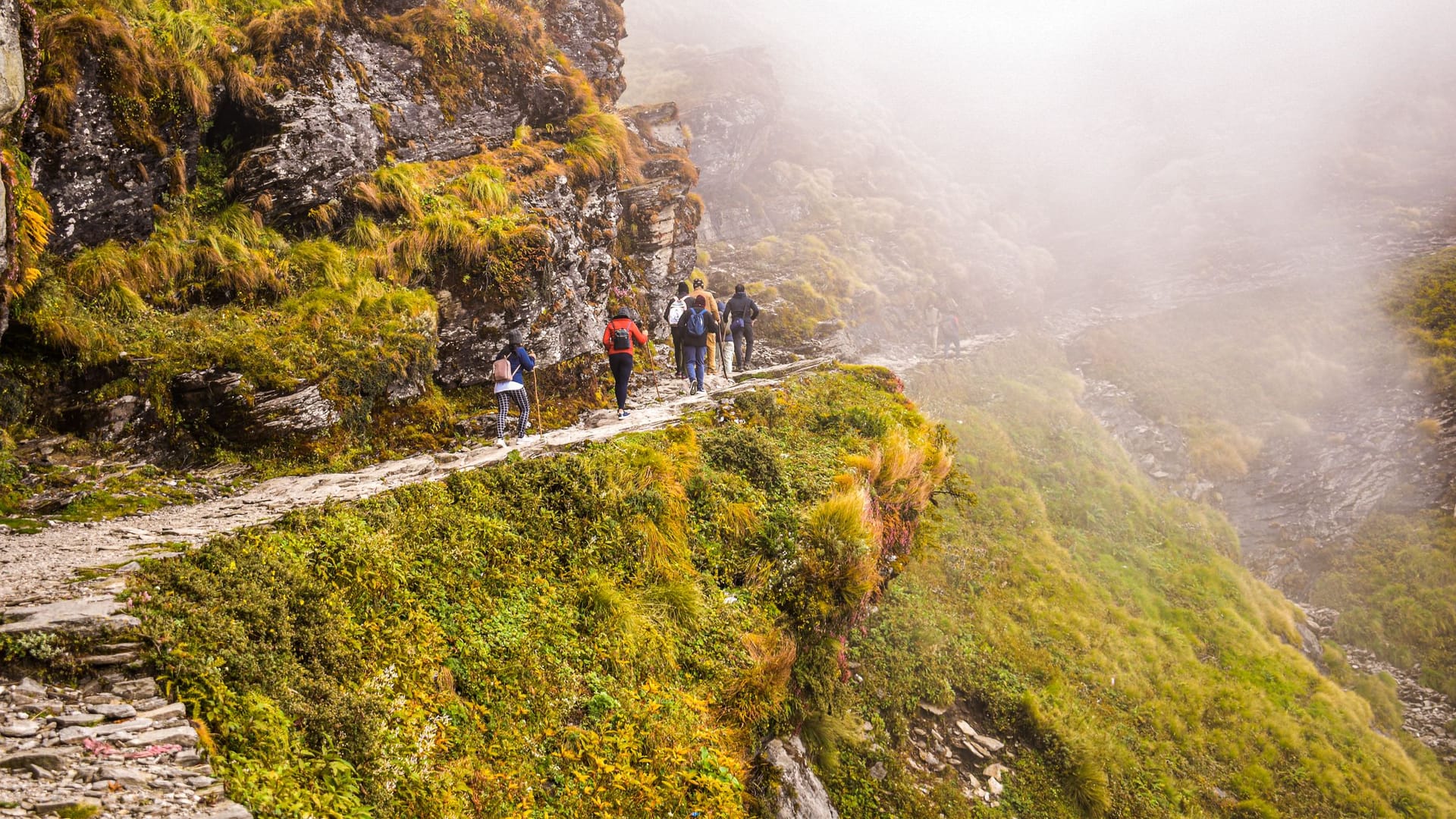
- Good for trekking in Zanskar and other valleys that rely on summer melt. Expect more insects in lower areas.
- Carry a lightweight waterproof shell and quick-dry clothing; keep an eye on river conditions for any plan involving water crossings.
September: Post-monsoon clarity — excellent trekking weather
September often brings clear skies, crisp air and stable weather — one of the best months for trekking and photography. Tourist traffic tapers off after August, making trails and campsites quieter.
What to expect
- Cooler nights and pleasant days; early snowfall may begin at the highest passes towards the end of the month.
- Stable weather with reduced likelihood of rain.
Activities and travel tips
- Ideal for high-altitude treks, cultural tours and road trips. Popular routes are accessible and less crowded.
- Still carry layers and a down jacket; nights can be sharply cold.
October: Autumn colours and closing of high passes
October sees autumn's crispness and often spectacular golden hues in alpine vegetation. However, temperatures drop noticeably and the first heavy snowfalls on high passes can close certain roads and trails.
What to expect
- Brisk days and very cold nights; snow at higher altitudes becomes more frequent as the month progresses.
- Tourist infrastructure begins winding down toward the end of the month.
Activities and travel tips
- Great for short stays focused on Leh and nearby attractions; for longer road trips, check current road opening schedules.
- Prepare for sudden cold snaps and possible early snowfall; keep flexible travel plans.
November: Early winter — winds and first heavy snows
November ushers in winter. Temperatures plunge, and snowfall becomes more widespread. Many guesthouses and local services begin their off-season closures in remote areas.
What to expect
- Sub-zero temperatures at night, increasing snow coverage at higher elevations.
- Roads to Nubra, Pangong and other high-altitude destinations usually close or become unpredictable.
Activities and travel tips
- Limited travel is possible around Leh. Winters are best for travellers seeking solitude and winter landscapes but not for extensive road journeys.
- Insulate well and plan for contingency. Flights can be disrupted by weather.
December: Full winter — isolation and icy beauty
December is deep winter across Ladakh. Traditional life adapts to long, cold months with snow-covered landscapes creating a stark and serene beauty. Access beyond Leh is mostly restricted.
What to expect
- Long nights, heavy frost and frozen water bodies in high-altitude pockets. Cold is intense, especially with wind chill.
- Very limited accessibility to remote valleys. Services operate at reduced capacity.
Activities and travel tips
- Visit if you want a quiet, contemplative trip and are prepared for winter conditions and possible flight irregularities.
- Carry serious cold-weather gear, high-calorie snacks, and ensure your accommodation has reliable heating.
Practical year-round advice
- Acclimatisation: Spend your first 24–48 hours in Leh at a relaxed pace to adjust to altitude. Avoid heavy exertion, alcohol and dehydration early on.
- Packing: Layering is key. Include thermal inners, fleece or insulated jackets, windproof shell, sturdy boots, warm gloves, hats, sunglasses and high-SPF sunscreen.
- Health and safety: Know the signs of acute mountain sickness (headache, nausea, dizziness). Carry basic medications and consult a doctor before travel if you have chronic conditions.
- Travel logistics: Check permits, road status and flight schedules frequently—conditions change rapidly. Keep extra days in your itinerary for contingencies.
- Respect local life: Ladakh’s communities are resilient and conservative; observe local customs, minimise waste and travel responsibly.
Tip: Planning your visit around May–June or September gives the best balance of accessible roads, pleasant weather and plenty of daylight for exploring.
Whether you seek high-altitude adventure, serene monasteries or dramatic landscapes, knowing what each month brings in Ladakh helps you plan with confidence. From the silent, snowbound beauty of winter to the vivid summers of trek and travel season, Ladakh rewards visitors who come prepared and with respect for its fragile environment.
Safe travels and clear skies!