Ladakh Road Trip Planning Guide for First-Timers
A practical, first-timer’s guide to planning a Ladakh road trip: routes, acclimatisation, permits, vehicle choices, packing essentials, safety tips and sample itineraries to help you travel smart and enjoyably.
By TravMe Holidays travel team · · Updated · 6 min read
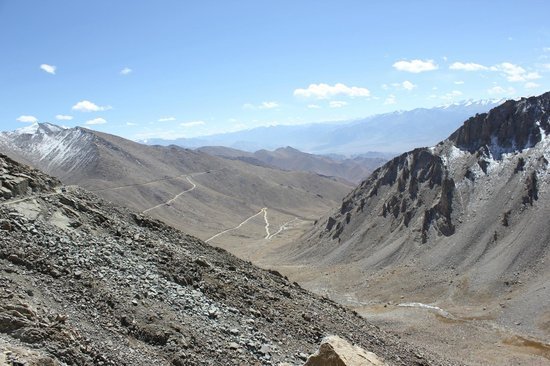
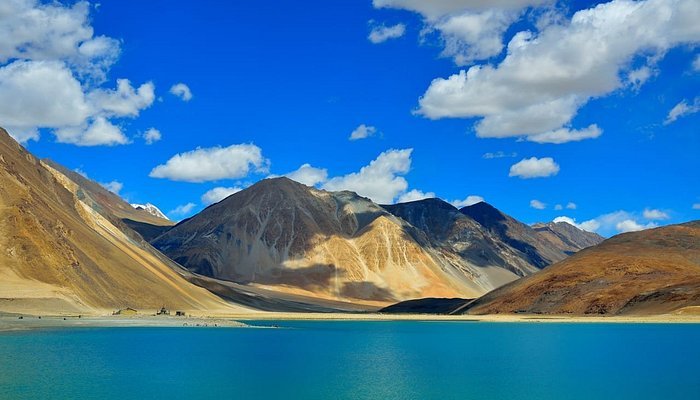
Ladakh is a high-altitude travel dream — stark landscapes, serene monasteries, and roads that rise and wind through the Himalaya. For first-timers, however, the altitude, remoteness and unpredictable weather mean a bit of planning goes a long way. This guide walks you through the essentials you need to plan a safe, comfortable and memorable road trip to Ladakh.
When to Go
The practical window for most road trips to Ladakh is late May to mid-September. During these months key roads (Leh–Manali and Srinagar–Leh) are usually open and weather is relatively stable. Early and late season travel can be beautiful — fewer crowds and dramatic skies — but expect closed passes, snow patches and shorter daylight.
Choosing Your Route
There are two classic overland approaches to Leh:
- Leh–Manali Highway: Dramatic, remote and adventurous, this route connects Leh with Manali via high passes and stark deserts. It’s popular with motorcyclists and adventurous drivers.
- Srinagar–Leh Highway: Scenic in a different way, this road passes through green valleys, rivers and alpine meadows before entering Ladakh’s rain shadow. It is generally considered less remote than the Manali route.
Many travellers combine both, arriving by one road and leaving by the other to form a loop. If you have limited time or prefer comfort, consider flying into Leh and doing shorter circuits by road.
Permits, Documents and Legal Basics
Indian nationals usually require an Inner Line Permit (ILP) or a simple registration to visit certain areas of Ladakh such as Nubra Valley and Pangong Tso. Foreign nationals typically need additional permits to travel in restricted border regions. Permit rules can change, so check with official sources, your tour operator or the local administration well before you travel.
Carry the following documents while travelling:
- Original photo ID (Aadhaar, passport for foreigners, voter ID or driving licence).
- Vehicle documents: registration (RC), insurance, pollution certificate and PUC, and a valid driving licence.
- Copies of permits and emergency contact information.
Acclimatisation and Health
Altitude sickness is the biggest risk in Ladakh. The air thins above roughly 2,500–3,000 metres and most visitors reach 3,500–5,000 metres very quickly. Plan your itinerary to include 1–2 acclimatisation days in Leh (3,500 m) before ascending further.
- Drink plenty of water and avoid alcohol for the first 48 hours.
- Eat light meals and rest; avoid strenuous activity for a day or two on arrival.
- Know the symptoms of acute mountain sickness (headache, nausea, dizziness, shortness of breath) and descend promptly if they worsen.
- Consult your doctor about medications such as acetazolamide if you are concerned; never self-medicate without advice.
Vehicle Options and Driving Tips
Choose a vehicle based on your comfort with high-altitude driving and the road conditions you expect:
- Self-drive offers freedom but remember high passes, unfamiliar gravel patches and long stretches without services. Ensure you are confident driving at altitude and on rough terrain.
- Rental SUVs (4x4 or high-clearance) are a popular choice because of better ground clearance and stability on uneven roads.
- Motorcycles are iconic, but demands physical stamina and mechanical awareness; choose only if experienced on Himalayan roads.
- Shared taxis and private drivers are plentiful and a good option if you prefer to relax and enjoy the scenery.
Driving safety tips:
- Avoid night driving — visibility and risks from animals, landslides and unlit stretches increase after dark.
- Drive slowly and steadily on passes; overheating brakes on long descents is a risk, so use engine braking.
- Watch for washing of tarmac, potholes and sudden weather changes. Keep a comfortable following distance from heavy vehicles.
- Refuel whenever you can: fuel stations are limited beyond Leh, Nubra and a few other towns.
Packing Essentials
Pack for sun, cold and wind — Ladakh’s weather can swing wildly in a single day. Key items include:
- Layered clothing: base layers, fleece or down jacket, windproof outer layer.
- Good quality sunglasses, sunscreen (high SPF) and a wide-brim hat to protect from intense UV.
- Warm gloves and woollen socks for evenings and early mornings.
- Personal medicines, a basic first-aid kit, and any prescription drugs in sufficient quantity.
- Reusable water bottle, water purification tablets or filter as a backup.
- Headlamp/torch, power bank, and adapters; limited charging points in remote homestays.
- Cash: ATMs are available in Leh but sparse elsewhere; carry sufficient cash for remote legs.
Accommodation and Dining
Ladakh offers a range of accommodation: hotels in Leh, simple guesthouses and cosy homestays in villages, and camps near attractions like Pangong Tso. Book popular dates in advance, especially in peak season.
Dining options in Leh and main villages are varied — Indian, Tibetan and Indian-Chinese food are common. If you have dietary restrictions, carry snacks and preferred staples: choices may be limited in remote areas.
Connectivity and Services
Mobile connectivity is generally good in Leh and along major routes, but expect weak or no service in remote stretches, high passes and border areas. BSNL often has the widest coverage, but check current operator footprints. Cellular data speeds may be slow and intermittent in valleys and high passes.
ATMs and fuel stations are concentrated in Leh, Kargil and a few highway towns. Plan refuelling stops and carry emergency cash. Basic mechanical help is available in Leh and some larger villages; bring spare puncture repair kits and essential tools if self-driving.
Respect, Safety and Responsible Travel
Ladakh’s communities are resilient and culturally rich. Follow these simple guidelines:
- Respect local customs at monasteries and villages: dress modestly, remove shoes where required and ask before photographing people.
- Leave no trace: carry your litter back, avoid single-use plastic and use washrooms responsibly.
- Stick to designated routes and do not venture into restricted border areas without permits.
Remember: the fragile high-altitude environment adapts slowly. Small acts — like carrying your trash out — make a big difference.
Sample Itineraries for First-Timers
Classic 7–9 Day Leh-Centric Itinerary (Arrive by Flight)
- Day 1: Arrive Leh, rest and light local walk for acclimatisation.
- Day 2: Leh city sights — Leh Palace, Shanti Stupa, local markets; take it easy.
- Day 3: Day trip to Sham Valley (Magnetic Hill, Gurudwara, Confluence).
- Day 4: Drive to Nubra Valley via Khardung/alternate route (acclimatise more if needed).
- Day 5: Explore Nubra — Diskit monastery, Hunder sand dunes, return to Leh or stay overnight.
- Day 6: Day trip to Pangong Tso — sunrise/sunset by the lake, overnight in camps or back to Leh depending on pace.
- Day 7: Relax in Leh or explore Hemis/Thiksey Monastery; prepare for departure.
Leh–Manali Road Trip Overview (10–12 Days)
- Day 1–2: Arrive Leh, acclimatise and explore.
- Day 3–4: Ride/drive east towards Pangong/Nubra circuits if desired.
- Day 5–6: Begin southbound toward Keylong and Manali via Taglang, Lachulung and Baralacha passes; expect remote stretches and long days.
- Day 7–10: Cross into Himachal, descend through Rohtang/Manali region and relax in Manali.
Both itineraries can be adapted for time and fitness. Allow extra days for rest or unexpected delays — flexibility is a useful travel asset in Ladakh.
Final Checklist Before You Leave
- Confirm permits and carry photocopies.
- Check vehicle condition, spare tyre, essential tools and extra fuel if possible.
- Pack layers, sun protection, water and medicines.
- Share your itinerary with someone at home and note emergency contacts.
- Plan for acclimatisation days and keep your schedule flexible.
Conclusion
A Ladakh road trip is rewarding and humbling in equal measure. Plan thoughtfully for altitude, choose a route that suits your stamina and style, and travel with respect for local communities and the delicate mountain environment. With sensible preparation you’ll be free to savour the extraordinary scenery, carefree skies and the quiet magic that makes Ladakh unforgettable.