Ladakh Permits Explained: Which Areas Need One and How to Get It
A practical, up-to-date guide to permits for Ladakh—what areas require them, who needs which permit, how to apply (online and offline), required documents, validity, and useful tips for a smooth journey.
By TravMe Holidays travel team · · Updated · 6 min read
Ladakh’s stark landscapes and remote border valleys are a major draw for travellers, but visiting many of its locations requires permits. Understanding which areas need permission, the difference between Inner Line Permits and Protected Area Permits, and the application process will save time and avoid hassles at checkposts. This guide explains exactly when and how to get permits for Ladakh, tailored for both Indian nationals and foreign visitors.
Overview: Why permits are needed in Ladakh
Ladakh sits along sensitive international borders and includes military zones, protected wildlife areas and tribal regions. Permits serve three main purposes: national security, protection of fragile environments and regulation of tourism in vulnerable communities. The rules differ by nationality and by area, so be prepared before you travel.
Types of permits: What they are and who needs them
Inner Line Permit (ILP)
The Inner Line Permit is issued to Indian citizens for entry into certain restricted border areas. In Ladakh, ILPs are commonly required for places that are close to the China border or in sensitive military zones. The process is administered by local district authorities (Deputy Commissioner offices).
Protected Area Permit (PAP)
Protected Area Permits are typically required for foreign nationals (non-Indian citizens) to visit certain areas of Ladakh. The PAP is designed to manage and monitor visits to border and environmentally sensitive regions. The requirements and issuing authority are more stringent for PAP than ILP.
Special permits and restricted zones
Certain localities—such as forward military posts, some high-altitude villages near the Line of Actual Control (LAC) and locations under special environmental protection—may need additional permissions from central authorities or the Indian Army. Areas like Daulat Beg Oldi (DBO), Demchok and a few forward sectors are normally off-limits to civilian tourists or require special clearance that only organised expeditions can secure.
Which specific areas typically require permits
Permit requirements can change, but the following list covers the commonly restricted regions in Ladakh. Always verify with local authorities before you travel:
- Nubra Valley (including Diskit and Hunder areas near the Shyok River)
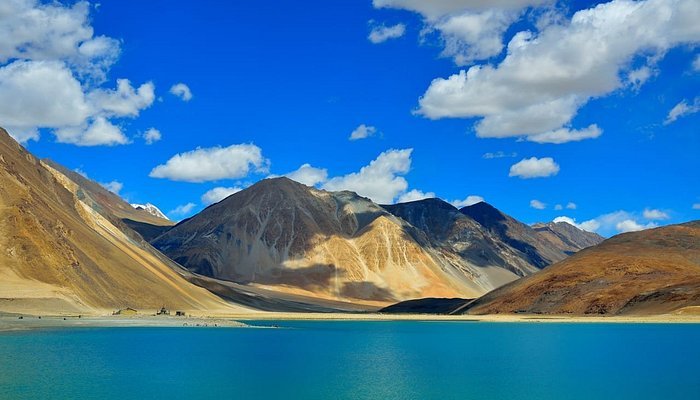
- Pangong Tso (the eastern parts close to the LAC)
- Tso Moriri and the Changthang region
- Areas beyond Leh city limits toward eastern Ladakh and the Pangong–Nubra axis
- Certain high-altitude passes and forward villages near the Line of Actual Control
Note: Some routes to these areas pass through military checkpoints where permits are checked. Kargil district areas have their own checks and rules; visitors to Zanskar and remote parts of Kargil should check with the Kargil administration.
How to get a permit: Step-by-step
For Indian nationals (ILP)
- Check the latest rules: Visit the official Leh or Kargil district administration website or call the Deputy Commissioner’s office for current requirements.
- Apply online where available: Leh district offers an e-ILP portal that allows you to apply in advance. Fill in personal details, travel dates, places to visit and vehicle details if applicable.
- Apply offline if needed: You can obtain permits at the DC office in Leh, or at designated permit counters (for example at Leh Airport or main checkposts). Carry original ID and photocopies.
- Document checklist: Valid government photo ID (Aadhaar card, Voter ID, Passport for Indian citizens with dual nationality concerns), passport-size photograph if requested, vehicle papers if entering with a privately owned vehicle.
- Keep a printout or digital copy: Permit copies are checked at multiple points; keep both digital and printed versions handy.
For foreign nationals (PAP)
- Check designated areas and exemptions: Some tourist circuits may be open without additional clearances, but most border areas will need PAPs—confirm with Leh DC or your tour operator.
- Apply at the right authority: PAPs are issued by district authorities in consultation with central agencies. Many foreign visitors get PAPs processed through their travel agent or hotel in Leh, which coordinates with the DC office.
- Required documents: Passport with valid Indian visa, passport-size photographs, detailed itinerary, proof of accommodation and sometimes a letter of undertaking from a registered tour operator or hotel.
- Processing time and validity: PAP processing may take a few days; apply well in advance. The permit will list permitted localities and validity dates—do not exceed them.
- On-arrival permissions: In some cases, short-duration PAPs may be granted on arrival at Leh, but this is not guaranteed—advance application is safer.
What to carry at checkposts
- Original photo ID (Aadhaar/Voter ID/Passport as applicable) and a photocopy
- Printed permit(s) and digital copies on your phone
- Vehicle registration and driving licence if you are on a private vehicle or self-drive bike
- Contact details of your hotel or tour operator in Leh
- Any letters of authorisation (if travelling on behalf of an organisation) or special clearance documents
Tip: Carry multiple photocopies of ID and permit pages. Network in Ladakh can be patchy—keep paper copies ready even if you applied online.
Validity, extensions and route restrictions
Permits generally specify the places you may visit and the dates of validity. They are issued for a fixed duration and for a stated itinerary. Extensions may be possible through the local DC office, but expect scrutiny and justifiable reasons such as weather delays or vehicle breakdowns.
Certain routes and passes are only open seasonally. For example, high passes and the shortcuts across remote areas close in winter, and some areas are accessible only when the snow melts. Always check the seasonality and road status before planning your route.
Penalties and enforcement
Travelling without a required permit or venturing beyond the permitted area can lead to fines, detention and escort back to permitted areas by security forces. In sensitive zones, unauthorised photography and drone use may also be prohibited. Respect instructions at military checkposts—soldiers and police have the final say on entry.
Using a travel agent or tour operator
Many travellers choose a registered local tour operator to handle permit formalities. Agents familiar with Leh and Kargil procedures can:
- Advise on the correct permit type and areas accessible
- Prepare and submit PAP/ILP applications on your behalf
- Coordinate last-mile approvals and collect permits from DC offices
This is particularly useful for foreign nationals and group travellers because the operator can expedite communication with authorities and arrange permits for multiple people at once.
Special situations: biking, camping and self-drive trips
Bikers and self-drive tourists must carry original vehicle documents and ensure the permit covers their chosen route. If you plan to camp in remote areas, check whether camping sites fall within permit-covered zones and whether you need additional permission from local village councils or the district administration. Leave-no-trace principles are strongly enforced in many areas to protect fragile ecosystems.
Checklist before you leave for Ladakh
- Confirm which permit(s) you need for your planned itinerary
- Apply online in advance where possible; allow extra time for PAPs
- Carry original ID, printed permits, vehicle papers and hotel confirmations
- Keep contact details of the DC office, local police and your tour operator
- Respect restricted zones and follow instructions at checkposts
Where to get the latest information
Rules governing permits can change due to security, diplomatic or environmental reasons. For the most accurate, up-to-date information consult:
- Leh and Kargil district administration official portals and notices
- Deputy Commissioner offices in Leh and Kargil (phone or office visit)
- Registered local tour operators and hotels in Leh
- Airlines and bus operators who often share advisory updates for travellers
Conclusion
Permits are a normal and manageable part of travelling in Ladakh. With some advance planning—checking official sources, applying for ILP or PAP as needed, and carrying the required documents—you can enjoy Ladakh’s dramatic landscapes without unexpected hold-ups. When in doubt, consult the Leh or Kargil district administration or a registered local operator to ensure your itinerary complies with the latest rules.